
Importing into new markets is the #1 bottleneck for brands going global
Without a local Importer of Record, your products can be held at customs, hit with unexpected duties, or blocked entirely.
We manage all customs documentation, HS code classification, and clearance procedures.
From FDA and CE markings to safety certifications and labeling standards.
We calculate, pay, and manage import duties and tariffs on your behalf.
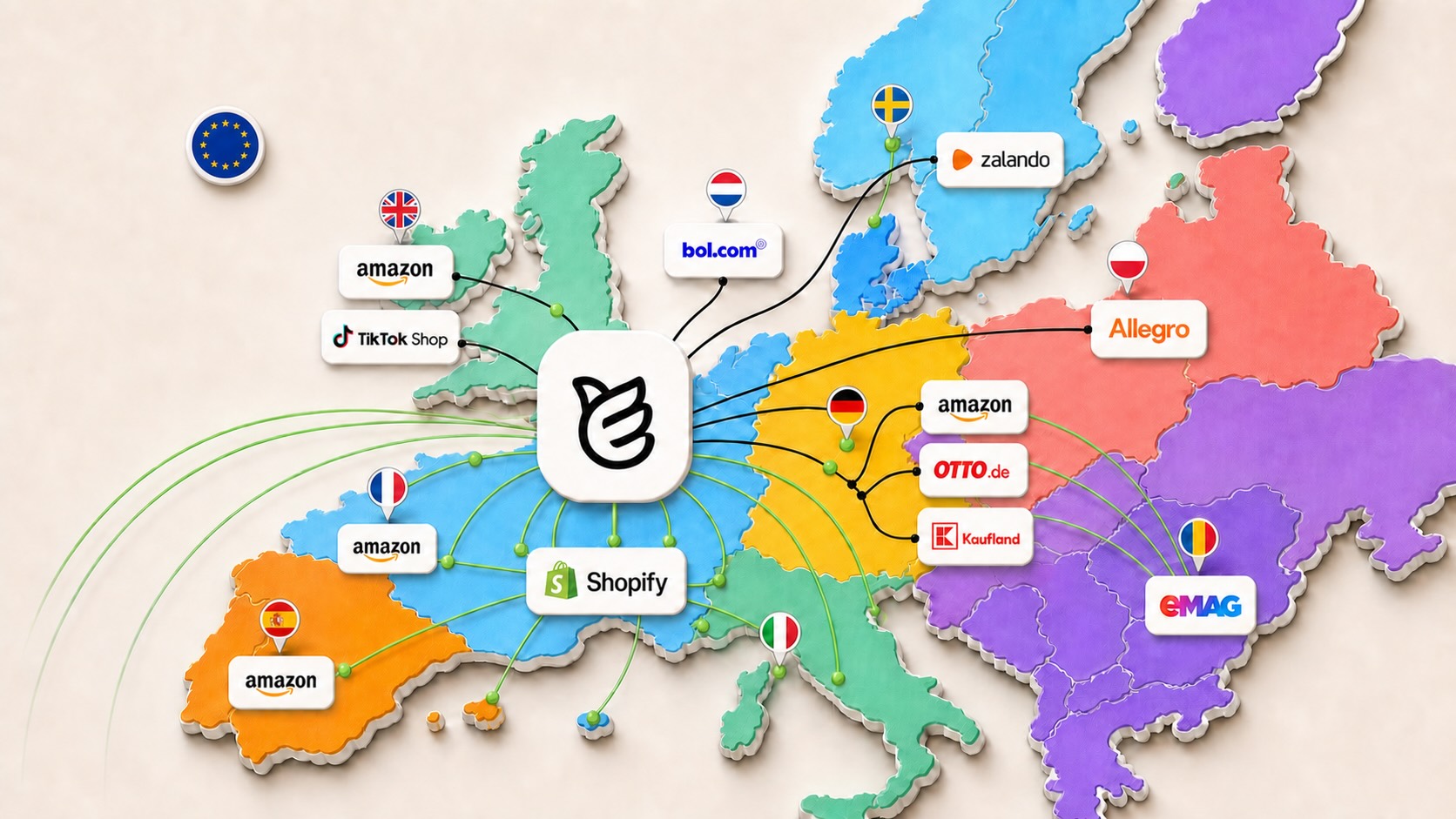
Legal entities and import capabilities across North America, Europe, and Australia.
The compliance layer
most international expansion plans don't account for
Most consumer brands building an international roadmap focus on the visible work. Which markets to enter. Which channels to sell on. How much to budget for paid media. What the localized brand positioning should look like. The plan looks tight on a slide.
Then the first shipment hits customs and everything stops.
The carrier won't release the goods because there's no Importer of Record on file. The customs broker is asking for an EORI number you don't have. The HS classification on your commercial invoice is wrong and now there's a duty audit. The product needs CE marking documentation that nobody on your team has ever seen. The shipment sits in a bonded warehouse for two weeks while your legal team figures out who's supposed to do what.
That's the moment most brands learn what an Importer of Record actually does, and why the role exists in the first place.
What an Importer of Record is
An Importer of Record is the legal entity responsible for ensuring that imported goods comply with all the local laws and regulations of the destination country. They file the customs entry. They pay the duties and import VAT. They guarantee that the products meet local safety, labeling, and certification requirements. They take on the legal liability if something is wrong.
The Importer of Record is typically not the manufacturer and not the customer. They sit in between, holding the customs paperwork together for the entire shipment. Without one, your goods don't legally cross the border.
For a domestic shipment, the Importer of Record question never comes up because the seller and the importer are the same legal entity. For a cross-border shipment, the role has to be filled by someone with a registered presence in the destination country, the right tax IDs, the customs accounts, and the willingness to carry the legal liability that comes with it.
Why most consumer brands underestimate this
Three reasons.
The first is that ecommerce platforms make selling internationally feel as easy as adding a new shipping zone to a Shopify checkout. The technical work to take the order is trivial. The legal and operational work to fulfill the order through customs is not.
The second is that the cost of getting it wrong is back-loaded. The first few shipments often clear without issue because the volumes are low and customs isn't paying close attention. Then volume scales, attention follows, and the audits start. By that point you've shipped thousands of orders with paperwork that doesn't hold up.
The third is that the work to set up a proper Importer of Record arrangement looks expensive and slow on the front end. Local entity, EORI number, customs broker relationship, duty deferment account, product compliance documentation, EPR registrations where required. €50K-€150K and 3-6 months per market is a typical setup if a brand does it themselves. Most brands skip it and hope.
What eBrands does as your Importer of Record
The full stack, integrated with the rest of our commerce operations.
Customs entry and clearance. EORI numbers in every operating market. Customs broker relationships. HS code classification per SKU per market. Commercial invoice and packing list preparation that holds up to audit.
Duty and import VAT payment. Duty deferment accounts in every market so we can clear shipments without delay. Reclaim of import VAT where applicable. Treatment of duty as a pass-through cost rather than a hidden margin take.
Product compliance. CE marking documentation for EU markets. UKCA marking for the UK. FDA registration where applicable for US imports. REACH compliance for chemicals. Country-specific labeling and language requirements. Battery and electronics compliance where the product category requires it.
EPR registration. Extended Producer Responsibility registrations across EU markets for packaging, electronics, batteries, and textiles. Each market has its own scheme and pricing structure. We handle them.
Amazon Responsible Person. Amazon's EU listing requirements include a registered Responsible Person for product safety. We act in that capacity for products we sell on your behalf.
Documentation and record-keeping. Every customs entry, every duty payment, every compliance certificate stored against your account. If a regulator asks, the answer is in our system within minutes, not weeks.
The work that takes a brand 6 months to set up per market becomes a few weeks of integration with our existing infrastructure. The legal liability sits with us, not with you. Your team focuses on product and brand. We handle the layer that decides whether your goods actually cross the border.

.png)







Explore articles



.jpg)








.jpeg)
Ready to go global?
Let us show you how eBrands can take your brand to every market that matters.