Expert insights from eBrands
How TikTok Shop works for brands: the content-to-cart mechanic, the 9% commission, who ships the order, the settlement tiers that decide when you get paid, and the European markets.
Eight WooCommerce payment gateways compared for cross-border selling: real fees, country and currency coverage, and the surcharges that only show up once you sell abroad.
The Prime badge from your own warehouse. What SFP actually demands in 2026 after the July speed increase, how the US, UK and German programmes differ, and when it is worth it.
A Brand Store only pays back if traffic reaches it. See the three-page minimum that unlocks Store Spotlight, and how to read the 2026 section-level insights.
Forecast accuracy matters less than lead time accuracy. See how to size safety stock, read days of cover, and plan when stock sits in several countries.
EUDR applies from 30 December 2026 with no further delay. See which products are still in scope after the 2026 changes, and who files the due diligence statement.
iDEAL handles around 70% of Dutch online payments and 48% of Dutch shoppers abandon without it. See which method matters in each market and what it is worth.
One stock pool, real-time sync and a safety buffer stop most overselling. See why pooling breaks across borders and what to do when stock sits in six places.
A return costing $5 to $8 domestically can cost $25 to $40 across a border. See the real numbers, the EU withdrawal rules, and where the money is recoverable.
Four kinds of entity can hold the EU responsible person role, and an authorised representative is only one. See which applies, and what the mandate must cover.
Duty drawback refunds up to 99% of duties on imports that later leave the US, reaching five years back. See what qualifies in 2026 and how deferral compares.
FBA wins on conversion, FBM wins on fee load, and the answer changes per SKU. See the 2026 fee stack, the break points, and where Seller Fulfilled Prime fits.
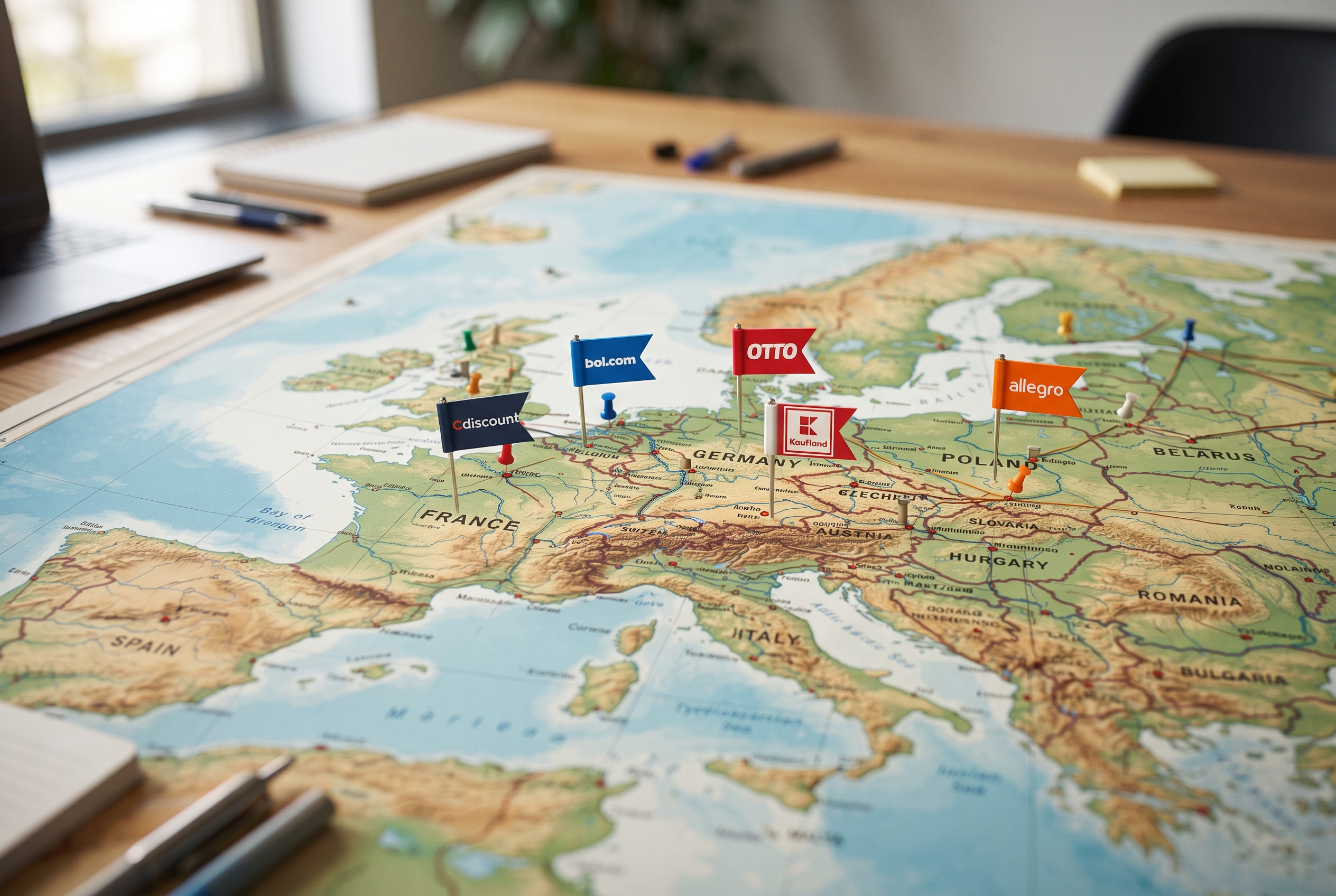
bol.com, Cdiscount, Kaufland, Allegro and Otto reach markets Amazon does not dominate. See what each one costs, who it suits, and what entry actually requires.
OSS, IOSS and PVA solve different problems, and most growing brands need more than one. See which scheme fits each order flow, with the common mix-ups.
Faire charges 15% on marketplace orders and 0% on retailers you bring yourself. Compare the three European wholesale platforms and the margin math behind them.
PPWR has applied since 12 August 2026. See what is already binding, what waits on acts the EU has not adopted, and what D2C sellers owe in every market.
Amazon retired Rufus in May 2026 and replaced it with Alexa for Shopping. The name changed, the listing work did not. Here is how the AI picks products.
The DPP framework went live in July 2026, but obligations only attach when your product group gets a delegated act. See the real dates and what to do now.
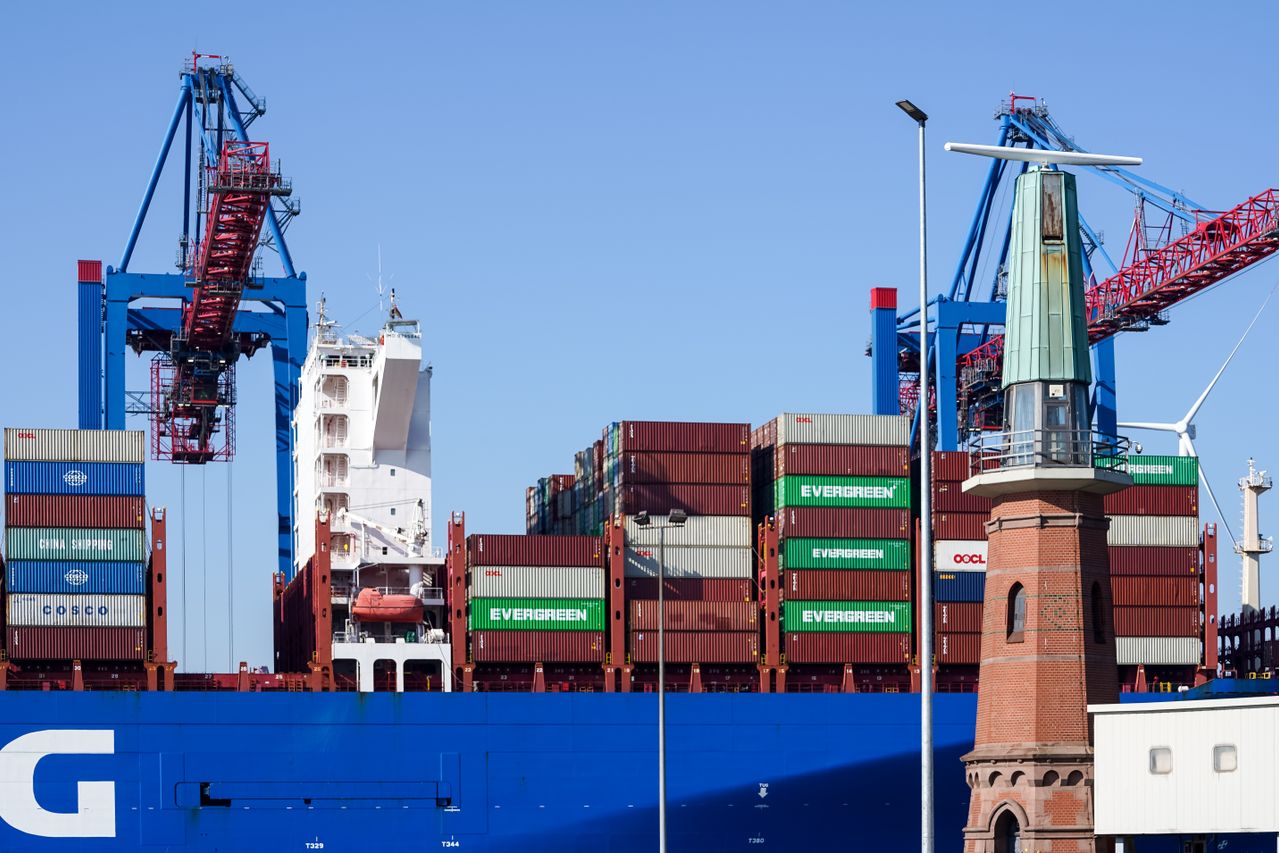
Incoterms decide who pays, who insures, and where risk passes. See all 11 rules, the container trap, and how the term changes your landed cost on both sides.
Vine costs up to $200 per ASIN plus the units you give away, and you only get one shot per ASIN. See the real math and when it pays for a product launch.
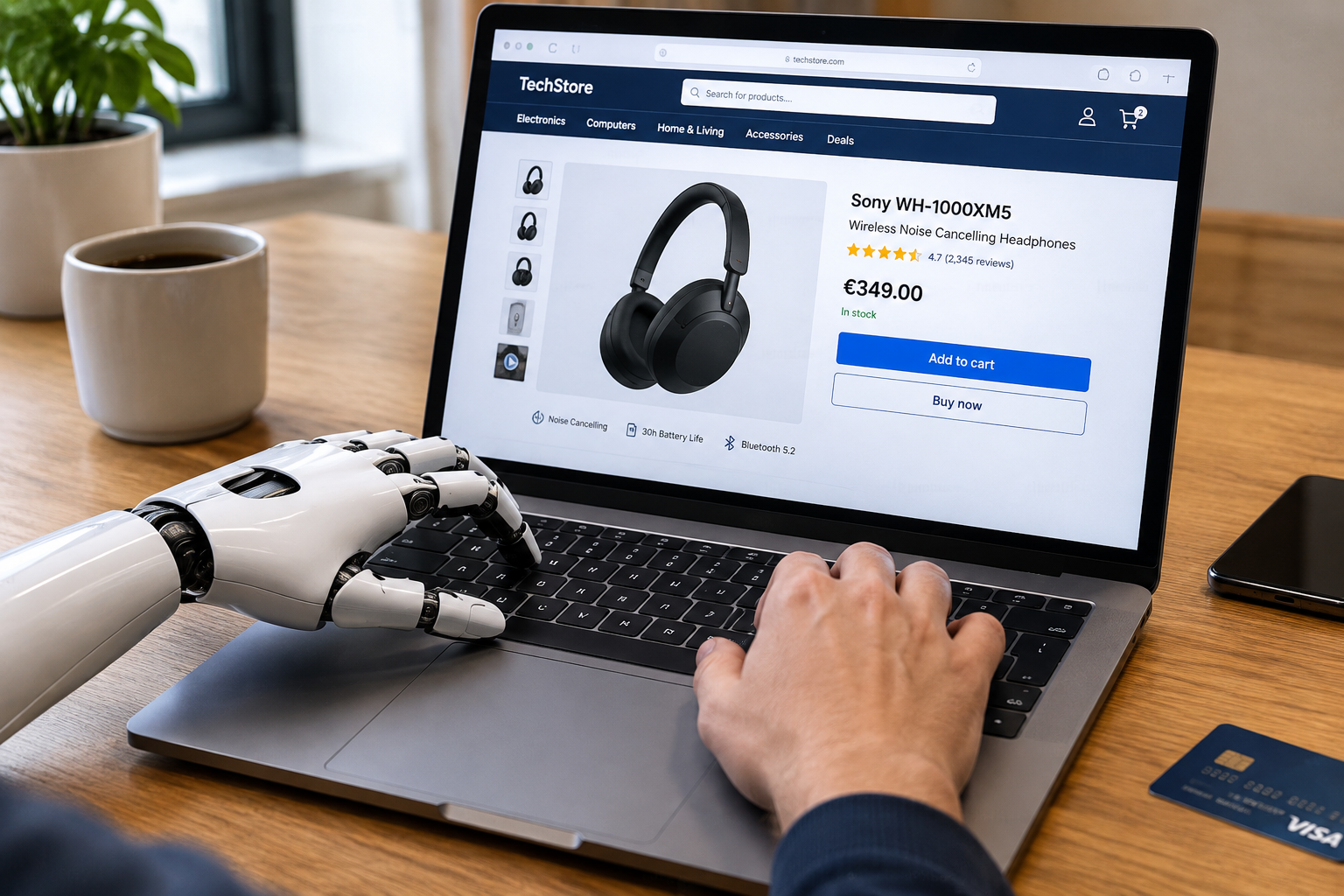
AI agents now discover products, and sometimes buy them. See what actually shipped in 2026, why in-chat checkout stalled, and what brands should fix first.
A US break-even ACoS does not transfer to Germany. See how to set ACoS and TACoS targets per market from real margin, and how lifecycle changes the number.
Retail media is advertising inside the retailer where the sale happens. See how the networks differ, what Europe's fragmentation costs you, and where to start.
Brand Registry is free but needs a trademark matching your brand exactly. See the 2026 requirements, what it unlocks, and the gaps it does not close.
Import duty is the customs value times the rate for your HS code, but the value differs by market. See the formula, worked EU and US examples, and what to add.
Customs clearance takes hours to three days for compliant shipments. See real timelines by mode for the EU, UK and US, and what actually causes the delays.
EPR makes you pay for your packaging's end of life, and it is a separate registration in every EU country. See what changed on 12 August 2026 and what to do.
DDP means the seller pays duties and clears customs; DAP leaves that to the buyer. See which fits ecommerce, and the capability DDP quietly requires.
The US ended its $800 de minimis exemption in 2025 and the EU scrapped its €150 relief in July 2026. See what applies now and what it costs per parcel.
Unauthorized sellers cost brands margin, reviews, and pricing control. See the Amazon brand protection stack that works in 2026, and the upstream fix behind it.
An HS code is the six-digit number customs uses to identify your product. Learn how classification works, how to find the right code, and who is liable.
IOSS lets you charge EU VAT at checkout on imports up to €150 and file one monthly return. See how it works after the July 2026 customs change, and its limits.
DAC7 makes marketplaces report your sales data to EU tax authorities every January. See the thresholds, the data reported, and what changes from 2028.
GPSR requires every consumer product sold in the EU to have an EU Responsible Person, traceability, and safety data. See who must comply and how, step by step.
The importer of record carries legal liability for an import; a customs broker only files the paperwork. See where each fits and when a broker isn't enough.
US and Canadian brands can sell across Europe and the UK in weeks, without distributors or local entities. Here is how the partner model works.
A 3PL stores your inventory, packs orders, and ships them for you. Learn what third-party logistics covers, what it costs, and when to switch to one.
MAP pricing sets the lowest price retailers may advertise your products. Learn how MAP policies work, where they are legal, and how brands enforce them in 2026.
An EORI number is the customs ID every business needs to import or export goods in the UK and EU. See who needs one, how to apply free, and how long it takes.
Selling on Walmart Marketplace requires a verified business, a track record, and US fulfillment. See 2026 requirements, fees from 6%, and approval tips.
Seller Central wins for most brands in 2026 as Amazon cuts smaller vendors. Compare 1P vs 3P costs, control, and margins before you pick a model.
Selling on TikTok Shop requires ID, tax and bank verification in a supported market. See 2026 seller requirements, fees, and the full setup, step by step.
A practical checklist for a multi-city European brand roadshow — per-market VAT lead times, permits, hardware, stock, settlement and returns.
Shopify POS and connected terminals run the till — not VAT registration, fiscal certification or legal seller status abroad. Where the line sits.
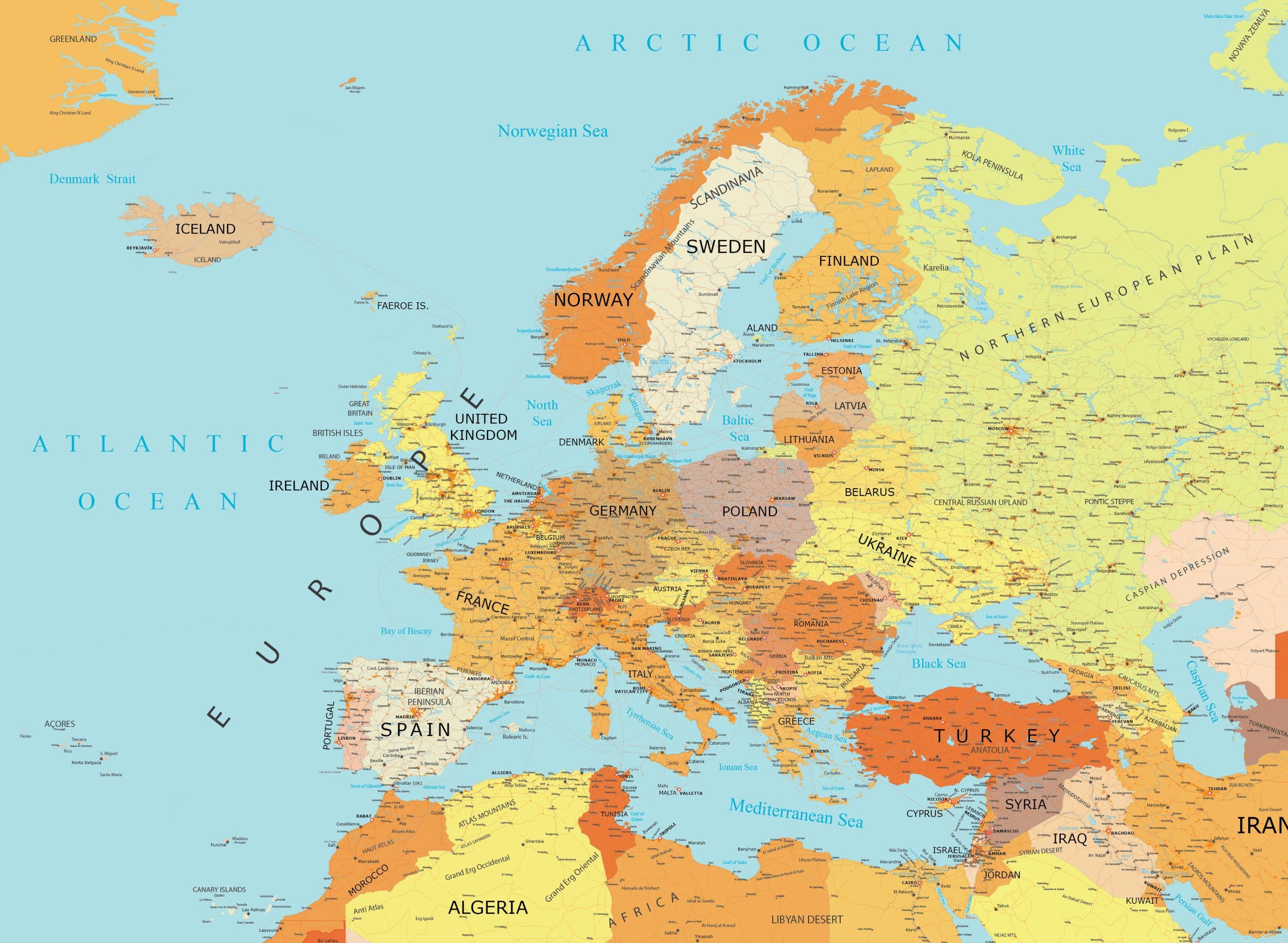
Country-by-country map of selling in-store in Europe — VAT, fiscalisation, receipt rules and permits for pop-ups across 20+ EU markets.
What a retail Merchant of Record does, how in-store MoR differs from online, and how brands run European pop-ups and retail without local entities.
EU or UK first for cross-border ecommerce? Decision framework covering market size, complexity, channels, and margin economics for consumer brands.
Cross-border ecommerce in the UK post-Brexit. When a distributor still works for consumer brands — and when a commerce operator like eBrands wins.
27 countries, 24 languages, three VAT regimes. Here's when a distributor still wins — and when a commerce operator does.
Full breakdown of the eBrands fee structure: market or channel fees plus a 5–10% commission, and a side-by-side vs the DIY model on €1M of revenue.
A step-by-step walkthrough of the eBrands partnership — from first discovery call to live global revenue in about two months. Just the mechanics.
Brands expanding internationally end up with 4–6 partners taking cuts at every layer. See how eBrands consolidates the patchwork into one operator.
Paddle, Stripe, Lemon Squeezy, and FastSpring are SaaS-focused Merchants of Record. Here's why they don't work for physical goods brands and what does.
Merchant of Record vs Payment Facilitator (PayFac): how the two models differ in liability, scope, regulatory burden, and use cases for ecommerce.
12 critical questions to ask Merchant of Record providers before signing — scope, ownership, pricing, exit terms and fit for consumer brands.
Compare 11 leading Merchant of Record companies in 2026 — Paddle, Stripe, FastSpring, Lemon Squeezy, Global-e, eBrands — by scope, pricing and use case.
Merchant of Record vs Seller of Record: what each role covers, how they overlap, and which one your business needs for international ecommerce.
What is a Merchant of Record for physical goods brands? A clear breakdown of MoR's role in payments, tax, compliance, and cross-border ecommerce.
What's actually included in Merchant of Record services: payments, VAT, compliance, fulfillment, and customer support. Plus how to compare providers.
Everything consumer brands need to know about the Merchant of Record model. What it does, how it differs from SaaS MoR, costs, and when to use one.
eBrands CEO Robin Bade on the five operational capabilities that separate thriving consumer brands from those that get disrupted when they scale globally.
What's changing in EU market entry in 2026 — from VAT and OSS rules to local compliance — and what it means for consumer brands expanding cross-border.
What an Importer of Record does, why it matters for cross-border commerce, and how eBrands handles IOR duties so consumer brands can expand without friction.
How consumer brands launch on TikTok Shop in the UK, EU, and US within weeks — not months — using a Merchant of Record to bypass entity and tax setup.
Merchant of Record explained: what an MoR does, what it costs, and why consumer brands use an MoR to sell globally without setting up local entities.
Distributor, D2C, marketplace, or Merchant of Record? How to choose the right international expansion model for your consumer brand's growth stage.
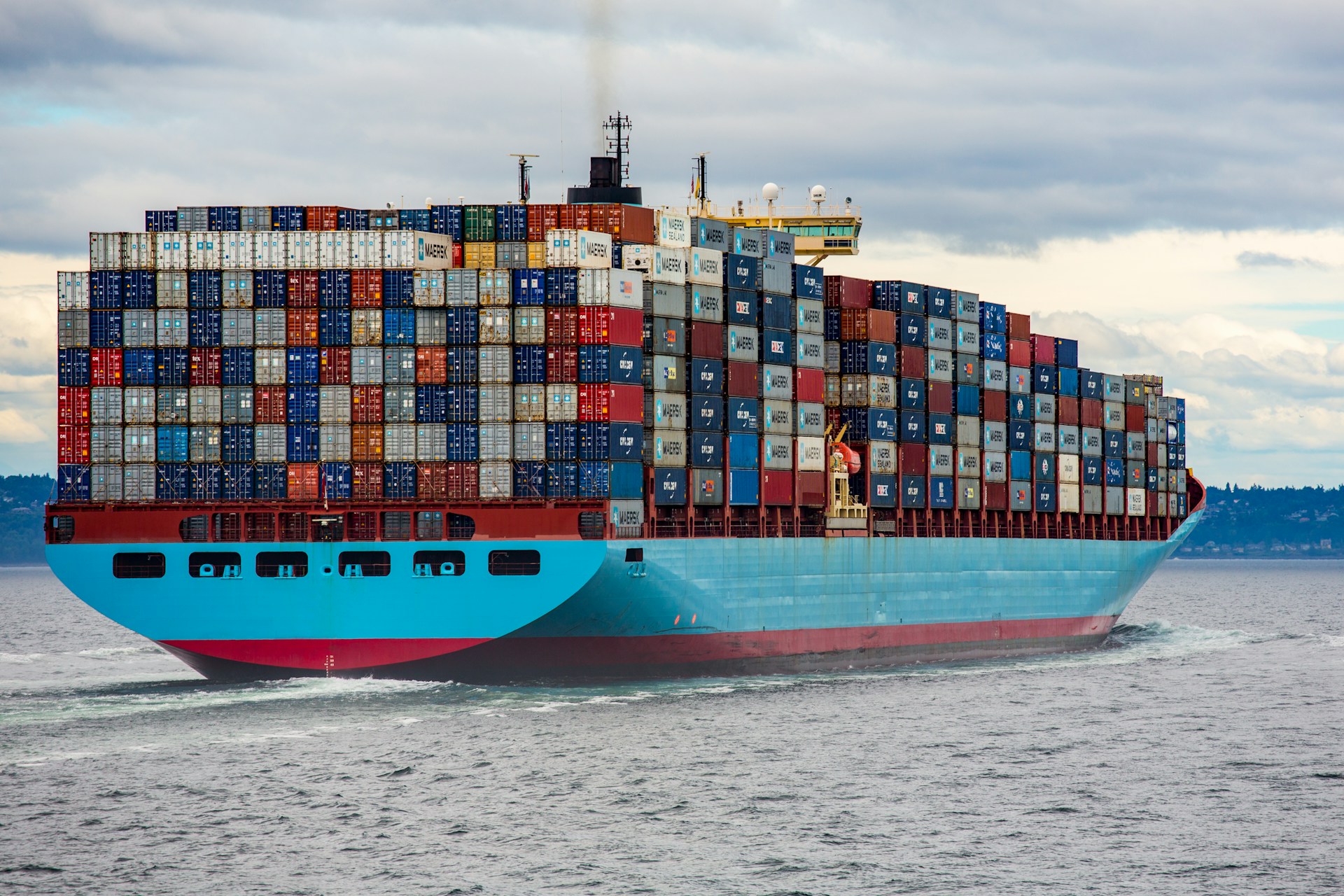
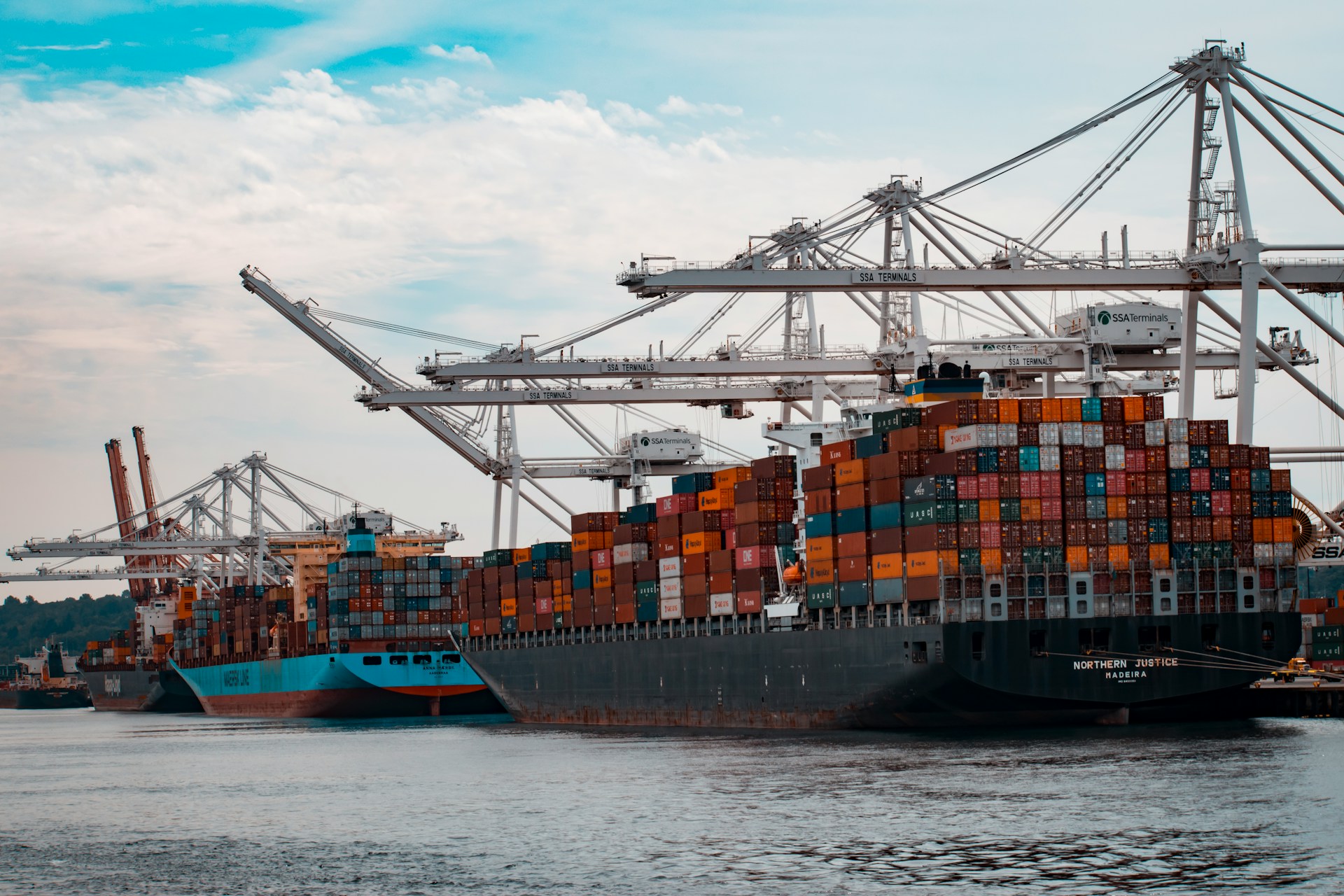
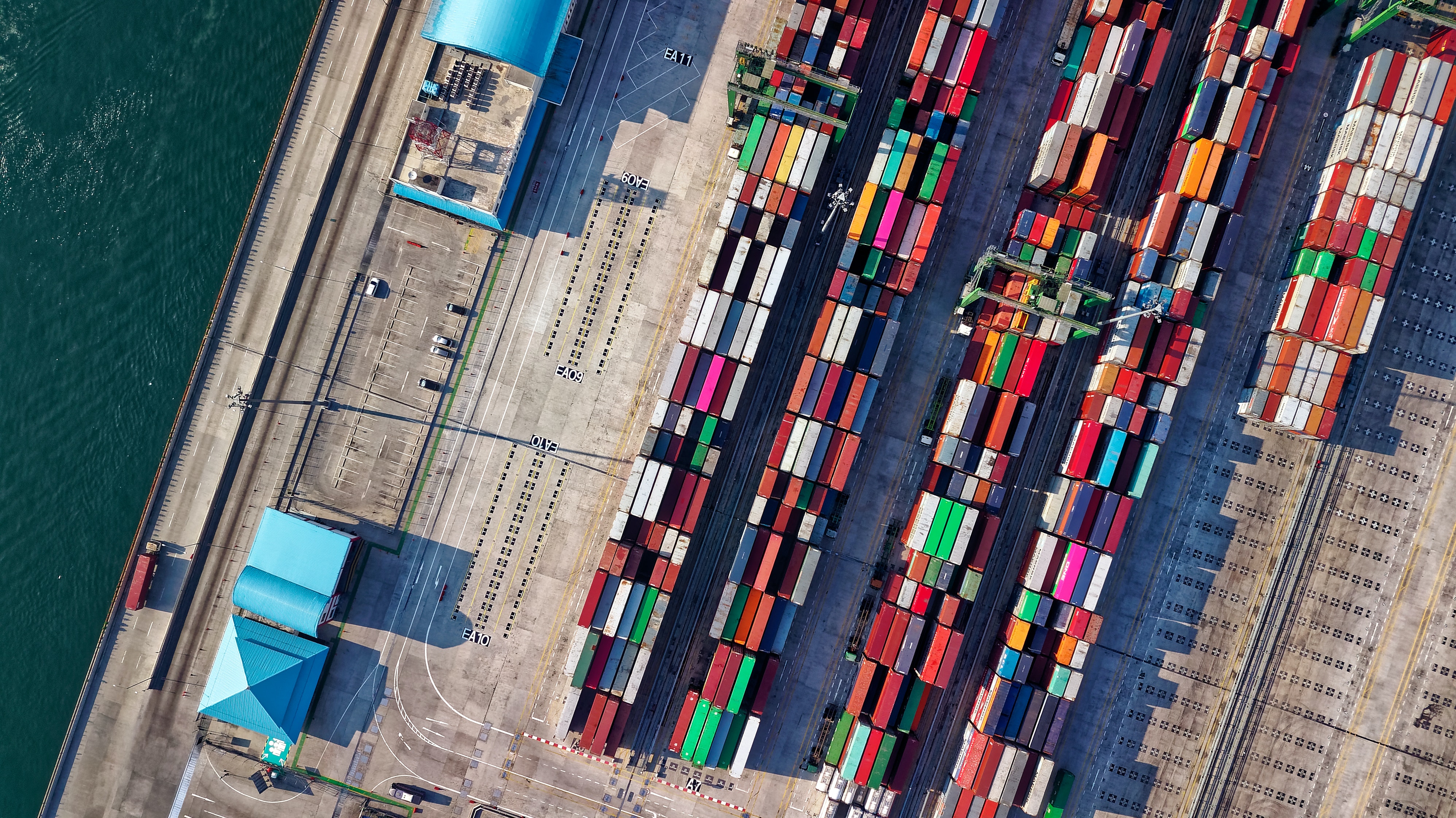
Ocean freight costs and lead times have surged as global supply chains are stretched. Why a sustainable supply chain matters now more than ever.
AI is redefining online shopping. With OpenAI, Stripe, and Walmart leading the shift, chat-based buying is turning problem-solving into purchasing.
What's really happening in China's manufacturing and energy markets — and what Amazon FBA sellers need to know to protect their supply chain and margins.
How the latest US trade shakeup opens a window for Nordic consumer brands — and what operational readiness it takes to capture that opportunity.
Data is everywhere. Interpreting it well is rarer. How to properly understand your data and turn it into customer insights that drive commerce decisions.
Amazon is shifting from Vendor to Seller model. How consumer brands transition without losing revenue, visibility, or marketplace ranking in the process.
eBrands' sustainable consumer product named finalist at the Global Innovation Awards, validating the portfolio's sustainability-first product strategy.
Tariffs, de minimis rules, sales tax, and last-mile fulfillment: what European consumer brands must know to ship to the US market profitably.
Florin, founder of a Gua Sha stones brand, sold his business to eBrands. The full process he went through and why he chose eBrands over other buyers.
Stuck growing your small Amazon FBA brand? Inventory costs rise with every sale. Here's why selling, cashing out and reinvesting can scale you faster.
Black Friday playbook for consumer brands on Amazon and Shopify: pricing strategy, inventory planning, ad ROAS protection, and post-sale retention.
How Nordic consumer brands scale internationally: the eBrands blueprint for turning home-market success into global commerce across Europe and North America.
eBrands Head of Brand Studio Patrik and CEO Robin on market positioning and sales expansion: the two most critical parts of every brand's growth strategy.
How brands navigate retail: wholesale, marketplaces, D2C. Balance pricing, margin, and scalability across channels with the right infrastructure.
Milja Merta, eBrands brand manager from Finland based in the Canary Islands, on experimenting with growth strategies and the thrill of scaling brands.
Amy Fransz on life at eBrands: a 100% remote, international team across many countries, and the culture of collaboration that drives global brand growth.
What it really takes to build a global D2C business on Shopify: international payments, localization, fulfillment, and the infrastructure brands miss.
Sustainability levers for Amazon FBA brands: packaging, sourcing, carbon reduction, and how eBrands builds sustainable operations into its brand portfolio.
Why sustainability matters for Amazon FBA brands and the concrete operational changes consumer brands can make to meet consumer and regulator expectations.
Thinking of selling your Amazon FBA brand? Here are 5 expert steps to prepare your private label business for exit and get the best possible payout.
eBrands' Head of Supply Chain and Sourcing on how ecommerce brands can reduce manufacturing costs, a decisive lever for profitability at scale.
How to make Prime Day your brand's biggest sales event: stock planning, ad strategy, deal structures, and the pitfalls that kill margin on marketplace peaks.
Consumers now reach brands on every channel, any time. Why authenticity, consistency, and a relatable personality matter more than ever for ecommerce brands.
Selling your Amazon FBA business starts with knowing its worth. Learn how FBA valuations work from eBrands — we acquire and scale high-performing brands.
We went back to our supply chain expert in the wild, Warren, to get his opinion on another major source of costs for eCommerce sellers - transportation.
Varma Pension Fund, Rettig Group, Veikko Laine Oy, Icebreaker.vc, Nordea, and Finnvera back eBrands with $50M to scale global commerce infrastructure.
Inside the playbook: how eBrands earned an Amazon Best Seller badge for a portfolio brand — listing optimization, PPC, velocity, and review strategy.
Leaders from Business Finland, Reima, Verkkokauppa, Amazon, and Wolt on what it takes for consumer brands to scale globally across channels.
Back to School is a full seasonal reset. How wellness, lifestyle, home, and grooming brands activate this period with bundles and omnichannel strategy.
How eBrands Studio rebuilt Puzzle Ready's identity with a cohesive visual personality and a captivating brand story that resonates with real customers.
How eBrands rebranded Bodyotics to eliminate stigma around intimate health and empower women through a more supportive, positive brand identity.
One year after joining eBrands, Jordan shares the Coach Soak success story: why he sold his Amazon brand and why he chose eBrands as the operator.
How eBrands Studio repositioned INDO the Trick Scooter: creative brand development that turned a niche product into a global performance brand.
Boost your Amazon FBA business valuation before you exit. eBrands acquires high-performing FBA brands — here are our experts' tips to sell for more.