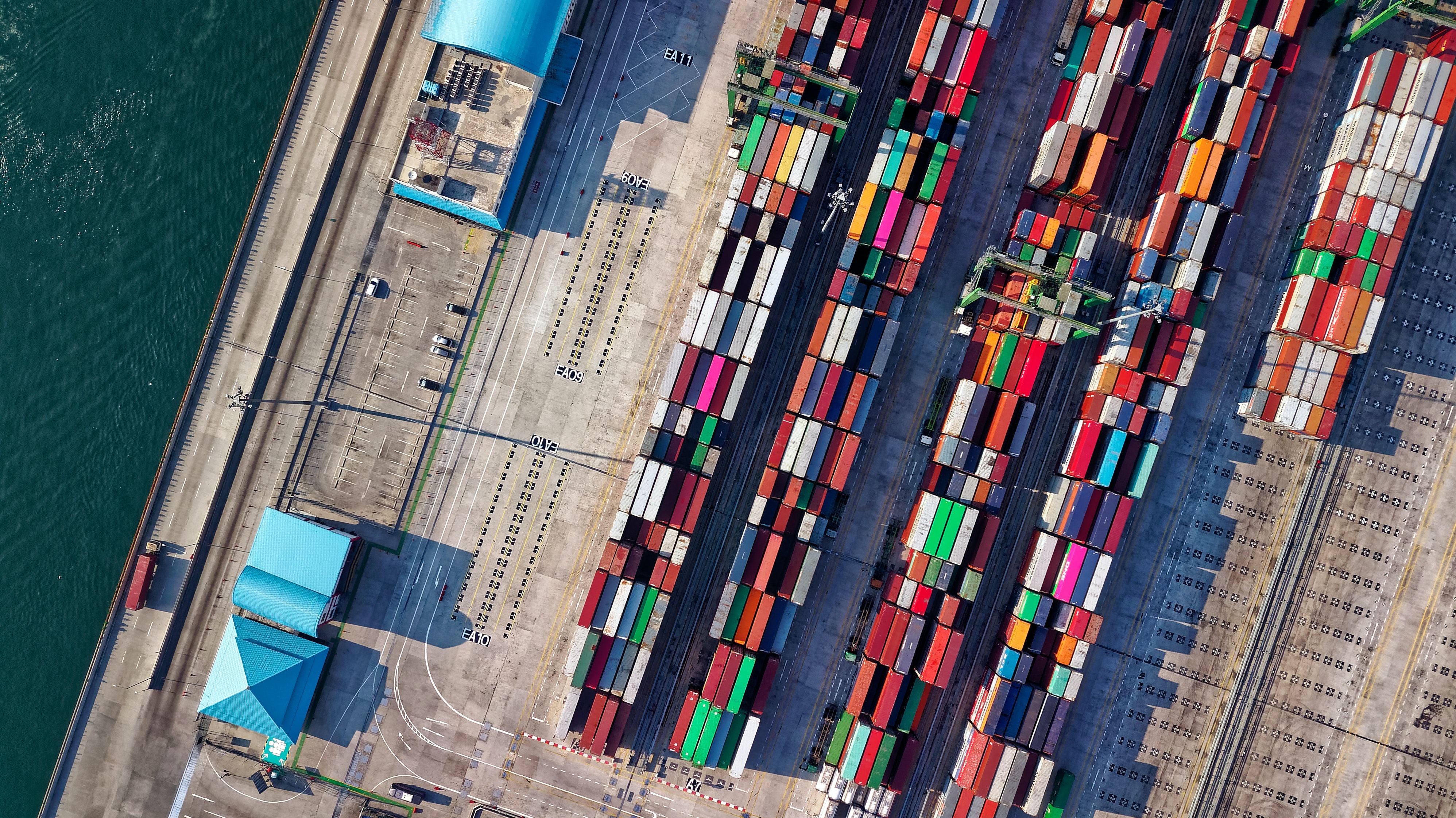
EU Market Entry in 2026: What's Changing and What It Means for Your Brand
The EU is one of the most valuable consumer markets in the world. It's also one of the most complex to enter — and it's about to get more demanding.
From July 1, 2026, new EU customs rules will change how low-value imports are processed. If you're selling into Europe, or planning to, here's what you need to know — and how to stay ahead of it.
What's Changing on July 1, 2026
The EU is removing the €150 customs duty exemption, commonly known as "de minimis." Under the new rules, a €3 customs duty will apply per declaration line for shipments valued at €150 or less. This alone changes the landed cost math for high-volume, low-value shipments.
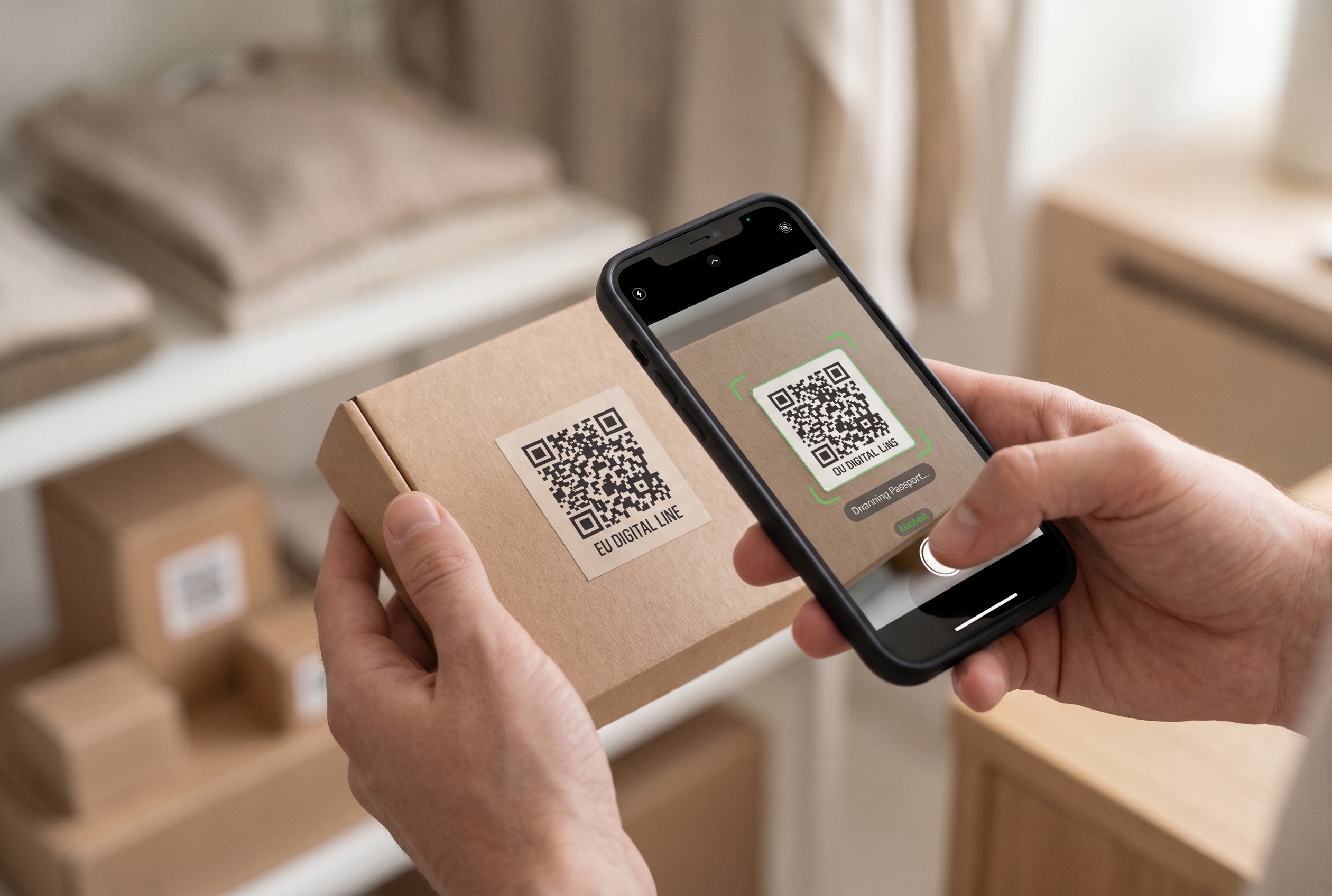
Beyond the duty change, customs clearance will now require additional product-level data — including merchant and manufacturer product identifiers. Shipments missing this information risk being held or rejected at the border.
VAT rules remain unchanged — VAT already applies to all EU imports. And some exceptions exist for B2B VAT-registered shipments and certain trade agreement scenarios. But for most brands shipping consumer goods into the EU, the operational bar is rising.
Why This Matters More Than It Looks
At first glance, a €3 fee sounds trivial. But the real impact isn't the duty amount — it's the compliance infrastructure required to meet the new data requirements at scale. Every shipment needs richer product data. Every product needs consistent identifiers. And every carrier, 3PL, and fulfilment partner in your chain needs to be aligned on the new requirements before July 1.
For brands managing their own EU logistics, this means updating product catalogs, auditing fulfilment workflows, and coordinating with customs brokers — all while running normal operations.
For brands without local EU infrastructure, it's a harder problem. You can't just ship from outside and hope it clears.
The Broader Shift: EU Market Entry Is Getting Harder, Not Easier
The July 2026 customs change is one part of a larger trend. Over the past two years, the EU has progressively tightened the rules around market access: extended producer responsibility, product safety regulation, digital product passports (coming in 2027), and now customs data requirements. The message is consistent — the EU wants higher standards, better traceability, and less friction for compliant sellers.
Brands that treat EU compliance as a one-time setup task are going to keep hitting walls. The ones winning in Europe are treating it as ongoing infrastructure — built into how they operate, not bolted on before launch.
This is also why the window to prepare matters. Brands that start building their EU operational setup in Q2 2026 will enter smoothly after July 1. Brands that wait until Q3 will be scrambling — and potentially holding delayed shipments at the border while they fix data gaps.
What This Means in Practice
As these rules take effect, brands should expect slight increases in landed costs for low-value shipments, more detailed product data requirements at the time of shipment, and potential delays if required information isn't provided upfront. The brands that get ahead of this now — by auditing their product data, aligning with their 3PLs, and ensuring customs documentation is clean — will have a meaningful operational advantage over those who don't.
How eBrands Handles This for Our Partners
At eBrands, we act as Merchant of Record and Importer of Record for our brand partners across the EU. That means we're the legally responsible entity for customs declarations, VAT compliance, and import duties — not you.
When the July 2026 rules come into effect, our systems, product data structures, and customs partners will already be aligned. Our brand partners won't need to update their workflows, re-brief their 3PLs, or scramble to add product identifiers to shipment manifests. We absorb the operational change so they don't have to.
That's the point of having an operating partner, not just a logistics vendor. Regulations change. Markets evolve. The infrastructure underneath your brand needs to move with them — and with eBrands, it does.
The EU Is Still Worth It
None of this changes the fundamental opportunity. The EU represents 450 million consumers, strong purchasing power, and growing appetite for quality international brands — especially from the Nordics and North America. The rules are getting stricter, but they're also creating a higher floor that rewards brands with real operational infrastructure and filters out those relying on shortcuts.
If you're planning EU expansion in 2026, start now. The window to prepare without pressure is closing — but for brands that move early, the market is very much open.

“ We are dedicated to assisting you; please contact us for any information or inquiries you may have. ”







.jpg)








.jpeg)