Planning a Pan-European Brand Roadshow: The Operational Checklist
A pan-European roadshow is the highest-leverage physical-retail move a brand can make, and the easiest to underestimate. Six cities in five countries over a few weeks generates real sell-through data, builds discovery that paid media can't buy at the same cost, and tests multiple markets at once. It also multiplies every compliance requirement by the number of borders you cross. A pop-up is a project. A roadshow is several projects running on a shared timeline, and the failure mode is treating it as one.
This is the operational checklist we work through with brands before a multi-city European tour. It assumes the brand wants speed and reach without registering a company in every country — the retail Merchant of Record model that makes that possible.
1. Lock the route and the legal-seller setup first
Everything downstream depends on the country list. Before deposits go down on venues:
- Confirm every market on the route. Each country is its own VAT and fiscal question; adding one city can add a whole compliance workstream.
- Establish who is the legal seller in each market. In an MoR model, the operator provides local seller status so the brand doesn't register an entity or VAT number per country. Confirm this is in place for every stop, not just the first.
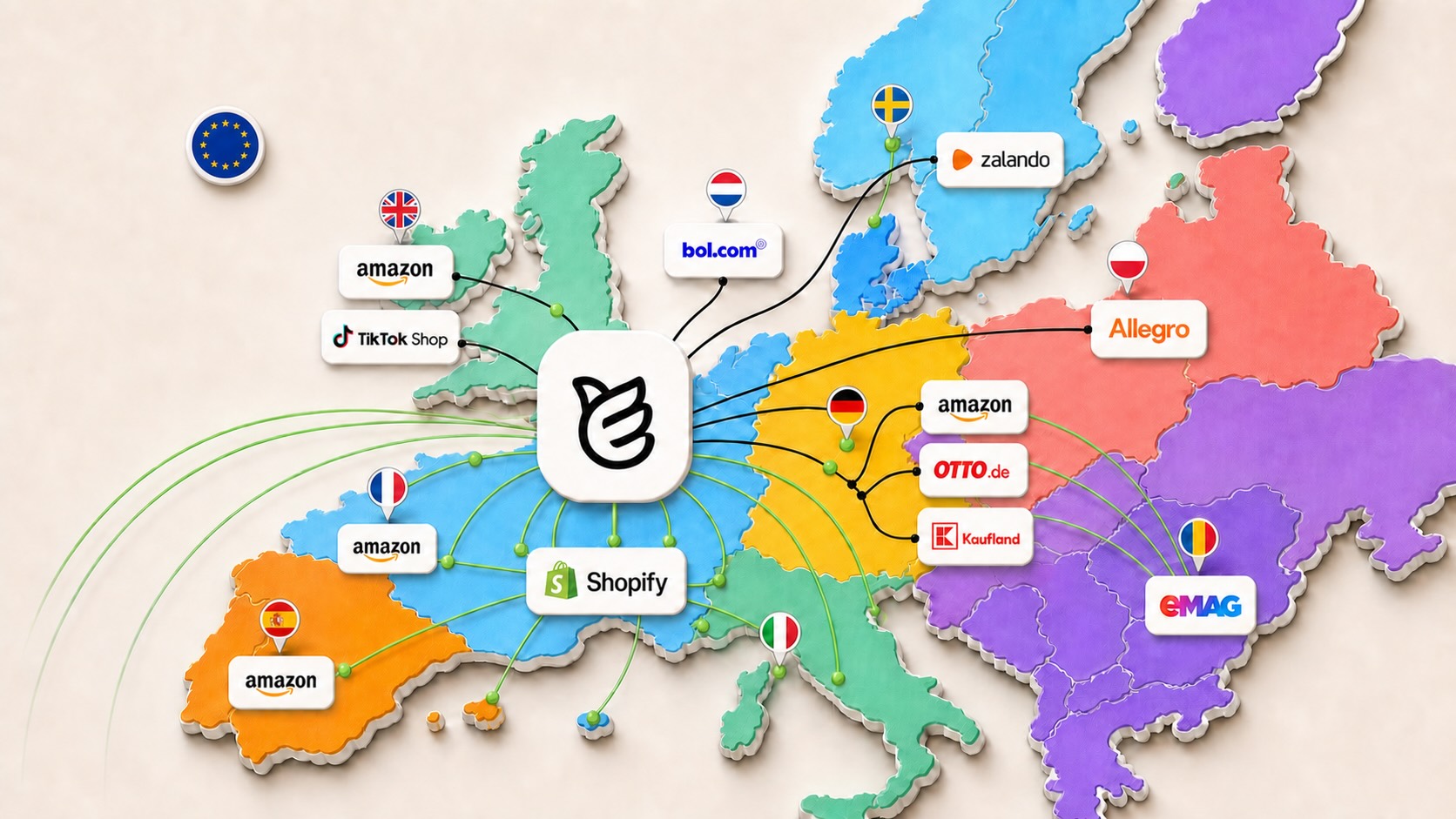
- Map the complexity tier of each market. Use the EU Pop-Up Compliance Map to flag the High-tier markets early, because they drive the timeline.
2. Build the per-market fiscal timeline
This is where roadshows go wrong. Several requirements have fixed lead times or windows that cannot be compressed. Sequence the route against them:
The High-tier markets set the critical path. Build the calendar backwards from their lead times, not from the event dates.
3. Resolve permits by land type, not event type
The legal trigger for permitting is usually private land versus public land, not whether the event is invite-only or open to the public. This catches brands constantly.
- Private leased unit (a rented retail space, a venue, a hotel suite) — generally a commercial-lease and activity question, lighter on municipal permitting.
- Public space (a square, a street, a market, council-owned ground) — typically needs municipal authorisation, and lead times vary widely by city.
- Who owns this — the venue and permits sit with whoever controls the space, usually the brand's event company. Confirm ownership of this explicitly per stop so it doesn't fall between the cracks.
4. Provision hardware per market, and pass it through at cost
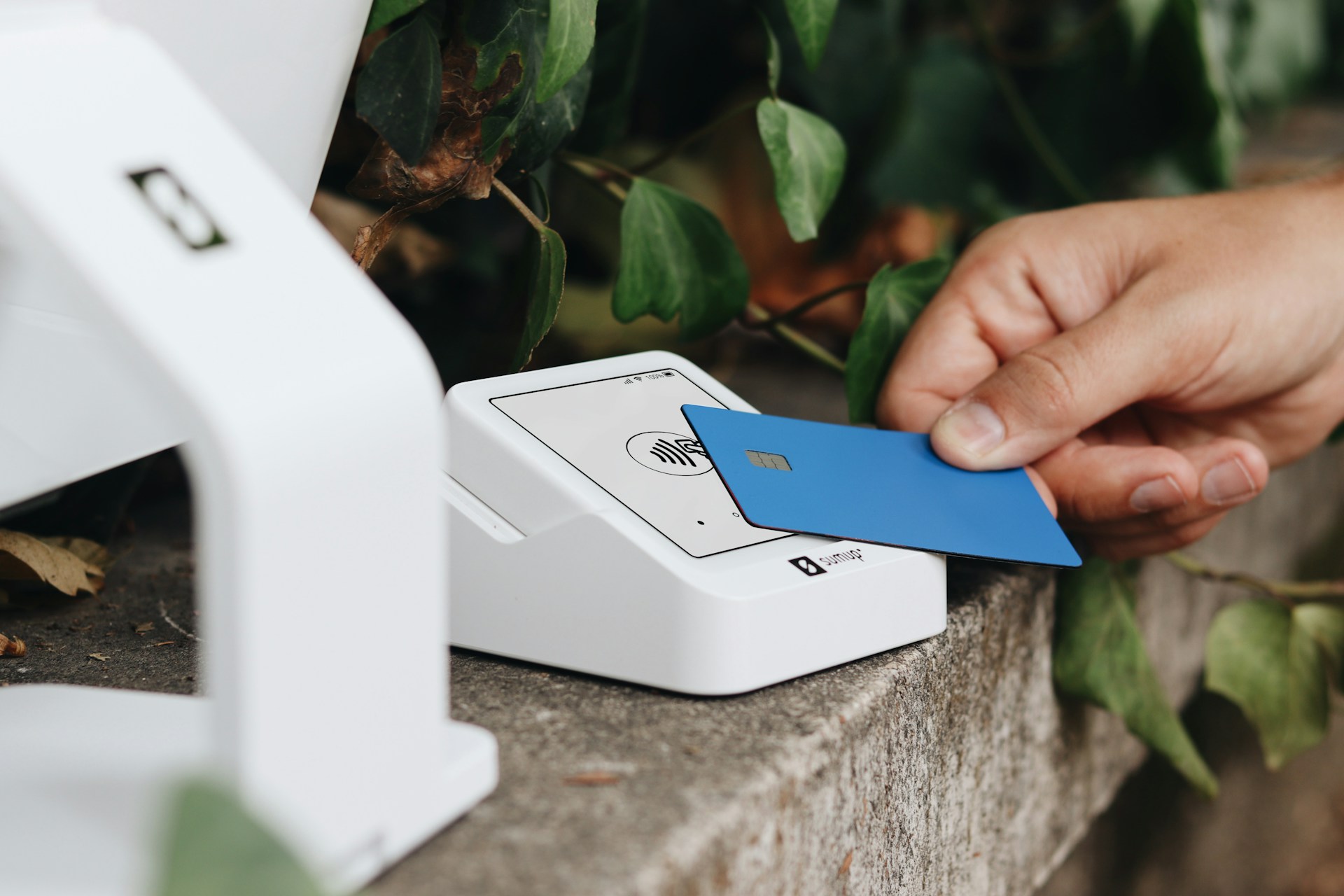
- Terminals and fiscal hardware are market-specific. What is compliant in one country may not be in the next.
- The till layer is flexible. Shopify POS, SumUp, or another connected terminal feeding a compliant back end. See Shopify POS for Cross-Border Retail.
- Cost principle — any required hardware or market-specific compliance licence should be passed through at actual cost, invoice shared, zero markup. Compliance is not a margin line.
5. Sort stock, ownership, and invoicing
- Get the goods there — customs cleared, duties handled, an Importer of Record in place. This is upstream of the first sale and has its own timeline. See What Is an Importer of Record?
- Use a consignment / right-of-return model — the brand keeps ownership until a unit sells, so capital isn't locked into a one-off bet. The operator invoices per unit as it sells.
- Plan stock allocation across the route — unsold stock from an early city can be reallocated to later demand, but only if the model and logistics anticipate it.
6. Decide settlement and returns mechanics up front
On a moving tour, money and goods are in flight constantly. Decide before the first event:
- Settlement cadence — how and when card and cash reconcile and flow back, across multiple currencies if the route leaves the eurozone.
- Returns and refund handling — when money may already have moved, the returns/refund mechanism (and whether clawback is on a net or invoice basis) needs to be agreed in writing, not improvised at a stand.
- Reporting — a single consolidated view across every city so the brand can read the tour as one campaign, not six disconnected events.
7. Staffing and on-location ownership
- Event staffing is typically the brand's or its event company's responsibility, since the people on the floor represent the brand.
- Operational support on the day (POS working, fiscal setup correct, settlement flowing) is what the operator provides. Be explicit about the line between the two so nothing is assumed.
The roadshow planning summary
The bottom line
A European roadshow rewards brands that treat it as a sequence of country-specific setups on one timeline, and punishes brands that treat it as a single event that happens to move. The compliance work is real, it is front-loaded, and the High-tier markets set the critical path. Done through a retail MoR, the brand keeps control of product, price, and story, runs the whole tour without a single local entity, and reads every city back as one campaign.
Talk to an expert. Planning a multi-city European tour? Talk to an eBrands expert and we'll build the route's compliance timeline with you, market by market, before anything is booked.

“ We are dedicated to assisting you; please contact us for any information or inquiries you may have. ”







.jpg)








.jpeg)