What Is an Importer of Record? And Why eBrands Does This for You

Most brands don't think about Importer of Record until it stops them cold.
You've built a best-selling product. You've dominated your home market. Now you're ready to scale globally, maybe to the US, maybe to Europe, maybe to multiple markets at once. You've got inventory ready to ship. You've got your first Amazon listings drafted. You're excited.
Then someone mentions IoR. Importer of Record. And suddenly, your timeline just got complicated.
An Importer of Record is the legally designated party responsible for importing goods into a country. But here's what most brands don't realise: IoR isn't just paperwork. It's infrastructure. It's regulatory complexity. It's capital tied up in import duties. It's the difference between launching in weeks and launching in months, or not launching at all.
And it's often the hidden cost that derails global expansion plans.
In this article, we're going to break down exactly what an Importer of Record is, why it matters more than you probably think, and, most importantly, how eBrands handles this complexity for our partners so they can expand without friction.
What Is an Importer of Record, Really?
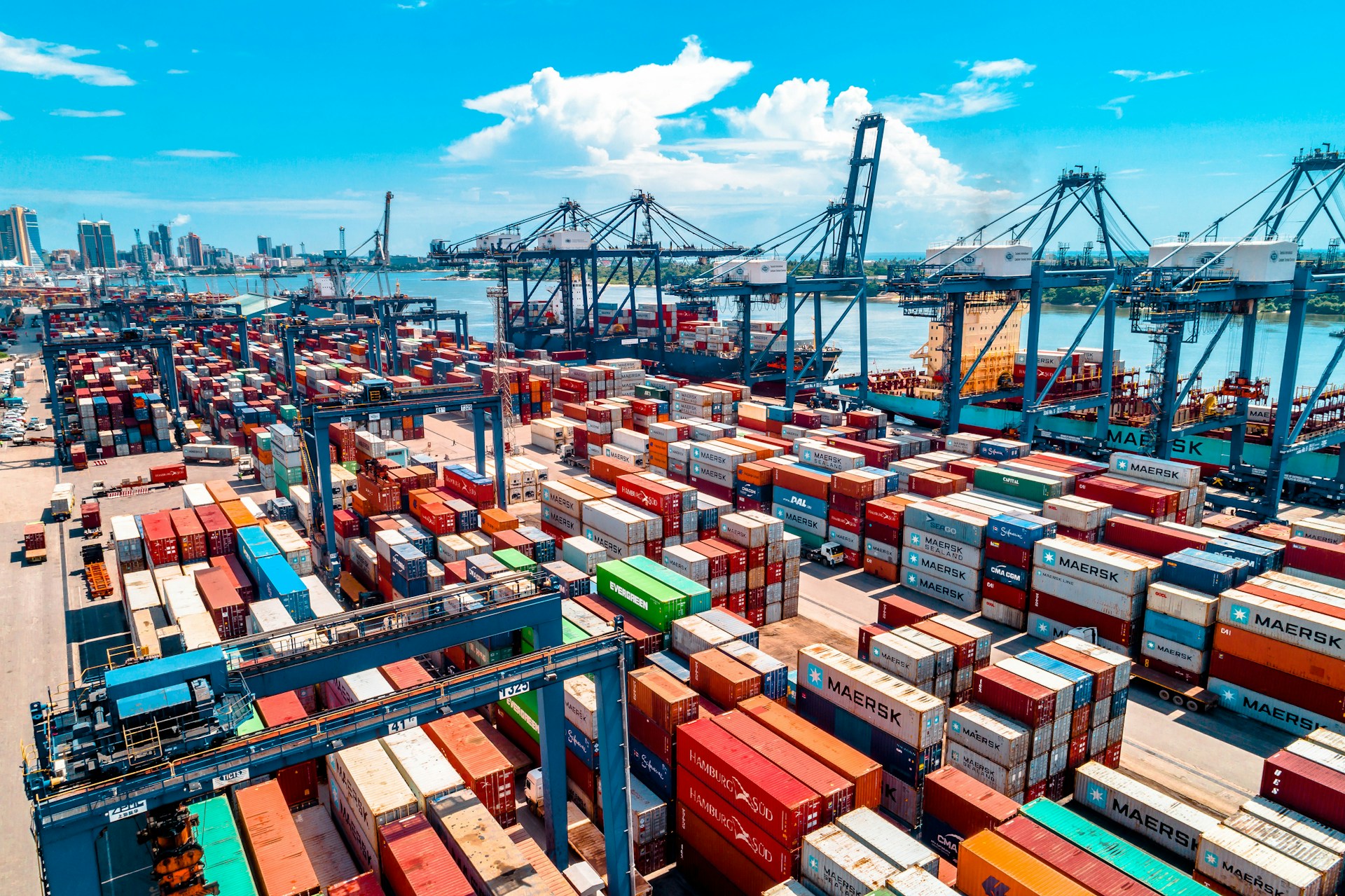
When you ship physical products into a new country, someone has to be legally responsible for those goods the moment they cross the border. That someone is the Importer of Record.
The IoR is the entity that:
- Takes legal ownership of goods as they enter a country
- Pays import duties and taxes owed to that government
- Manages customs compliance and documentation
- Bears liability if there are violations or issues with the shipment
- Handles all regulatory compliance for that import
Here's the critical part: it's not your manufacturing partner. It's not your freight forwarder. It's not your logistics provider. The IoR is a specific legal designation, and it comes with both obligations and risk.
In most cases, if you're shipping your products into the US, EU, UK, or any other major market, you need an IoR. And that IoR carries significant responsibility.
The Traditional Approach: You're the Importer of Record
For years, most brands handled this themselves. They'd set up a legal entity, register with customs, and become the IoR. But managing this across multiple countries requires handling regulatory complexity, ongoing compliance, capital requirements for duties, and liability exposure.
Every country has different customs regulations and tariff codes. Being an IoR means continuous compliance, managing tariff changes, and paying import duties upfront before you've made a sale. If something goes wrong, the IoR is liable. For scaling brands, managing this across 10, 20, or 50 countries simultaneously becomes unmanageable.
Why IoR Matters in Global Expansion
Most brands don't realise IoR is the hidden complexity that blocks fast scaling. When Bodyotics wanted to expand into the US, EU, and UK, they faced a choice: hire customs experts in each region and manage it themselves, or find a partner with existing infrastructure. When Coach Soak wanted to launch on Amazon US and expand across Europe, they didn't have in-house compliance specialists. This is where most DIY expansion plans hit a wall.

Enter the Merchant of Record (MoR) Model
This is where the IoR discussion intersects with a bigger operational philosophy.
Some Merchant of Record (like eBrands) can also handle IoR. The MoR becomes the legal seller and, where needed, the legal importer of your products in new markets. That single shift changes everything.
When eBrands acts as your MoR, we can also become your IoR. We:
- Register as the IoR in every market where you want us to import your products
- Handle all customs documentation and tariff classification
- Pay import duties and taxes upfront (which we factor into our commission structure)
- Manage ongoing compliance as regulations change
- Bear the liability for import-related issues
- Coordinate with local authorities and customs brokers
You don't have to become an expert in each market's import regulations or tariff rules. You don't have to maintain compliance calendars across dozens of countries. You don't have to deploy capital to cover duties before you've made a sale.
You focus on design, brand positioning, and product innovation. We handle the infrastructure.
How eBrands Simplifies IoR for You
Let's walk through how this actually works in practice.
Step 1: Consignment Storage
You send inventory to us on consignment. You don't sell it to us at wholesale. You maintain ownership until it sells. We warehouse it in our fulfillment centers strategically located across North America and Europe.
Step 2: Launch on Amazon US
When you want to launch on Amazon US, we handle everything IoR-related: we classify your product correctly under US tariff codes, we file the proper Customs declarations, we pay the duties upfront. Your product goes live on Amazon within weeks. No customs delays. No documentation headaches.
Step 3: Expand to UK and EU
When you expand to the UK and EU, we repeat this process in each market. Same speed. Same expertise. Simultaneous launches across multiple regions, something that would be nearly impossible if you were managing IoR yourself.
Step 4: Stay Compliant as Rules Change
As regulations change (and they do constantly), we track those changes. When the US implemented new tariff policies in early 2025, we immediately assessed how they impacted our partners' products and adjusted our operations. Our brands didn't have to do anything. They found out what changed, got strategic guidance, and kept selling.
Step 5: Pay Only on Sales
You only pay commission on sales that actually happen. Because we operate on consignment (not wholesale purchase), you maintain full ownership of your inventory. You don't prepay for stock. You don't prepay duties. You don't tie up capital in import taxes. You pay a percentage of revenue on what sells, which means our incentives are perfectly aligned with yours: we only make money when your products sell.
All operational costs for warehousing, fulfilment, and logistics are passed through to the partner at cost with zero markup. This transparency ensures the brand always knows exactly what its inventory operations cost.
This is fundamentally different from the traditional IoR model, where you're absorbing all the regulatory risk and operational complexity yourself.
The Real Cost of Getting IoR Wrong
A European home goods brand launched into the US without understanding tariff classification. Their products were classified under wrong tariff codes, triggering an audit. Customs held their shipment for three weeks, increased their cost per unit by 8%, and they lost momentum during peak season.
These aren't hypothetical costs: lost time, destroyed momentum, unexpected fines, and damaged reputation. With eBrands handling IoR, these risks disappear. We've classified thousands of products, know tariff codes across markets, and have relationships with customs authorities. Your risk drops, speed increases, costs become predictable.
.jpeg)
Consignment vs. Purchase: Why It Matters
Traditional distributors buy your inventory at wholesale and take the IoR risk, but they also control pricing and margins, reselling at whatever price they want. You lose pricing control and brand protection.
At eBrands, we operate on consignment. You maintain ownership until products sell. You set pricing. You control brand positioning. We handle IoR infrastructure as your operating partner. This is why you can launch on multiple channels with eBrands while maintaining pricing consistency and brand integrity across all of them.
The Competitive Advantage with eBrands
IoR expertise is a competitive advantage in global commerce. Brands with fast, reliable IoR infrastructure move to new markets in weeks. Brands managing IoR alone take months.
When you partner with eBrands, you inherit our IoR infrastructure built across 60+ countries. Mysoda topped Amazon bestseller rankings in the US and UK within months with us . Coach Soak scaled Amazon US revenue 32% above forecast in Year 1 with us. These results were possible because we handled the operational complexity while they focused on strategy and brand.
eBrands' Take
At eBrands, we see IoR as infrastructure that shouldn't slow you down. Global expansion is hard enough without getting bogged down in tariff classifications, customs documentation, and regulatory timelines.
We built our platform to absorb this complexity. Not to take over your business. Not to control your destiny. But to handle the operational backend so you can focus on what actually matters: building amazing products and connecting with customers across the world.
That's the eBrands difference. IoR is just one piece of it. But it's the piece that enables everything else.

“ We are dedicated to assisting you; please contact us for any information or inquiries you may have. ”





.jpg)








.jpeg)