How the eBrands Platform Replaces Distributors, Agencies, and Marketplace Managers

Most brands expanding internationally end up with a patchwork. A distributor in Germany. An agency managing Amazon in the US. A freight forwarder for UK customs. A separate partner for D2C, another for retail.
Each one takes a cut. Each one has its own reporting. Each one controls a different piece of your brand. None of them talk to each other.
We've seen this setup dozens of times. The brand is growing, but nobody has the full picture. Margins get eaten across five different fee structures, data lives in five different dashboards, and the founder spends 80% of their time managing partners instead of building product. That's the problem eBrands was built to fix.
The Traditional Model Is Broken
Here's what typically happens when a brand decides to go global.
First, you hire a distributor. They buy your inventory at 50% of retail, sell it however they want, and your brand shows up on discount sites within six months. You have no idea who your customers are. You can't control pricing. And when you finally want to take the market back, the distributor owns all the retailer relationships.
Then you bring on a marketplace agency. They manage your Amazon listings, charge a monthly retainer plus a percentage of ad spend, and send you a report once a month. They optimise titles and run PPC. But they don't touch logistics, they don't handle taxes, they don't manage returns. They're a thin layer on top of one channel.
You add a logistics partner. Now you have a 3PL handling warehousing and shipping, but they don't know anything about your sales strategy. They don't sync with your agency. They definitely don't talk to your distributor.
Eventually you realise you need compliance help. VAT registration in five EU countries. Sales tax in 46 US states. Product safety. Import duties. You either hire someone or outsource it to yet another specialist.
By the time you're selling in three markets across two channels, you have four to six partners. None are aligned on your growth strategy. Your operational cost as a percentage of revenue is ballooning. And you're still the one trying to hold it all together.
What Brands Actually Tell Us
When we talk to founders and commercial directors, the same pain points come up:
"I want to sell on Amazon, my own site, and in retail, but I don't want to manage three separate setups."
"I need someone who handles the compliance and logistics so I can focus on product."
"I want to control my brand and pricing, but I don't want to build an entire international operation."
"I need one set of numbers, not five dashboards from five partners."
These aren't unusual requests. They're the baseline of what any scaling brand should expect. The problem is that no single partner in the traditional model does all of it. Distributors take control away from you, agencies only cover marketing, logistics partners only cover shipping, and marketplace managers only cover one channel.
eBrands was built to close that gap.
How eBrands Replaces the Patchwork
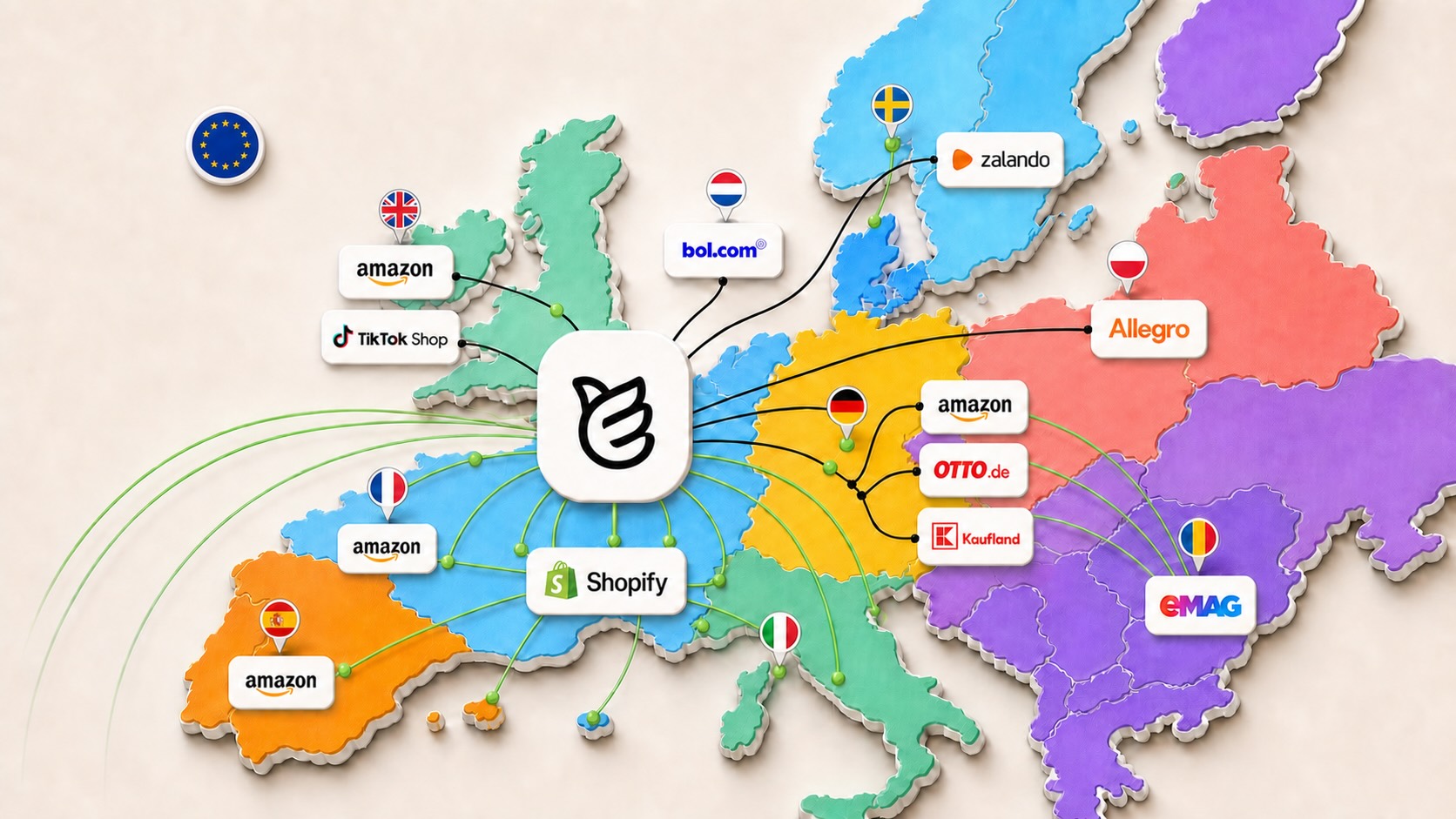
eBrands is a full-stack commerce operator. We replace the distributor, the agency, the marketplace manager, the compliance consultant, and the logistics coordinator with a single partnership.
Where a distributor buys your inventory and resells it at whatever margin works for them, eBrands acts as your Merchant of Record. We become the legal seller in each market, but you keep full control of pricing, positioning, and brand strategy. You provide stock on consignment. We sell it at the price you set. You own the customer relationship.
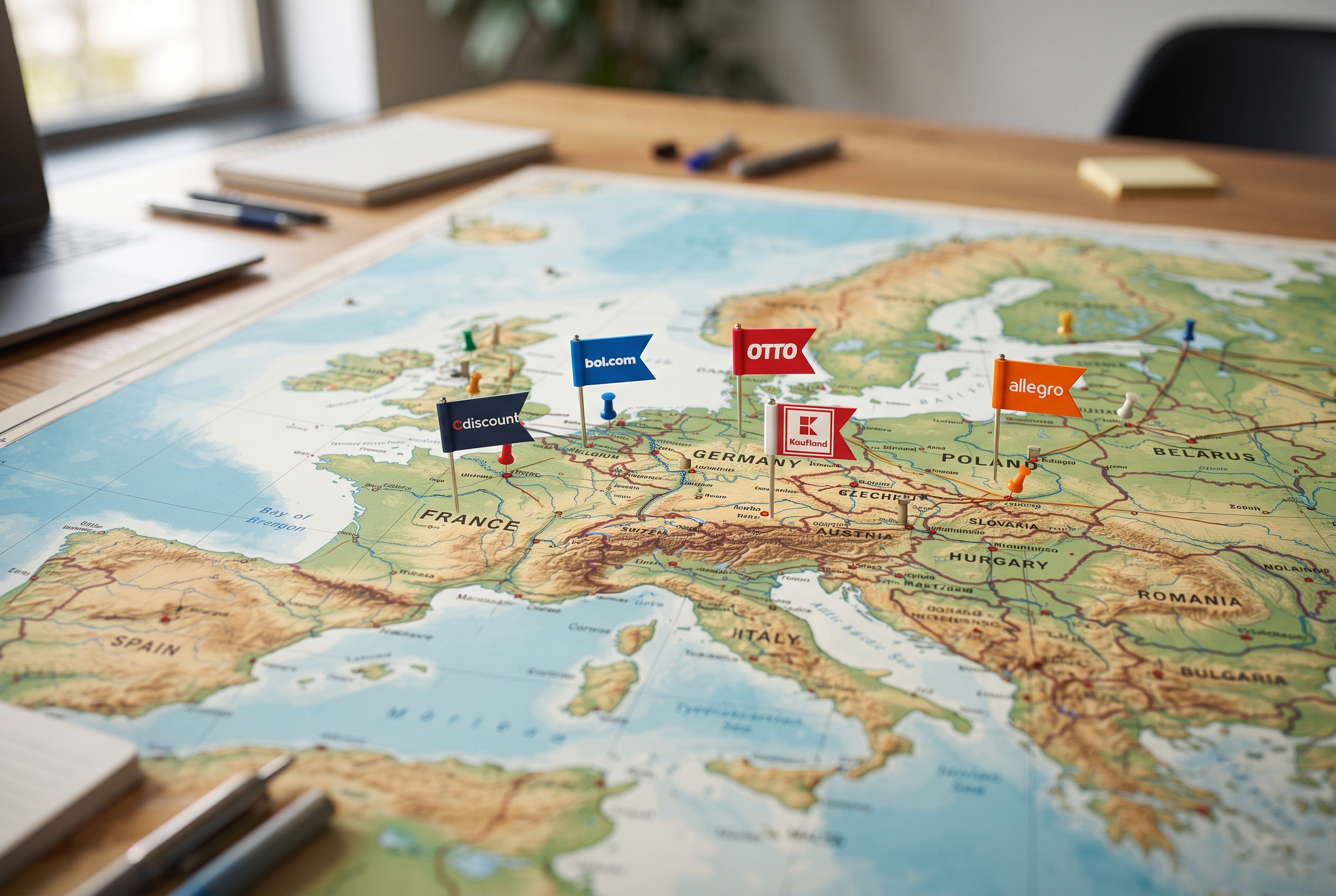
Where a marketplace agency manages your Amazon listings on one channel, eBrands manages your entire marketplace presence. Listing creation, content, advertising, inventory, pricing, across Amazon, Walmart, Zalando, Bol, Allegro, TikTok Shop, and whatever else makes sense for your brand. One team runs it all.
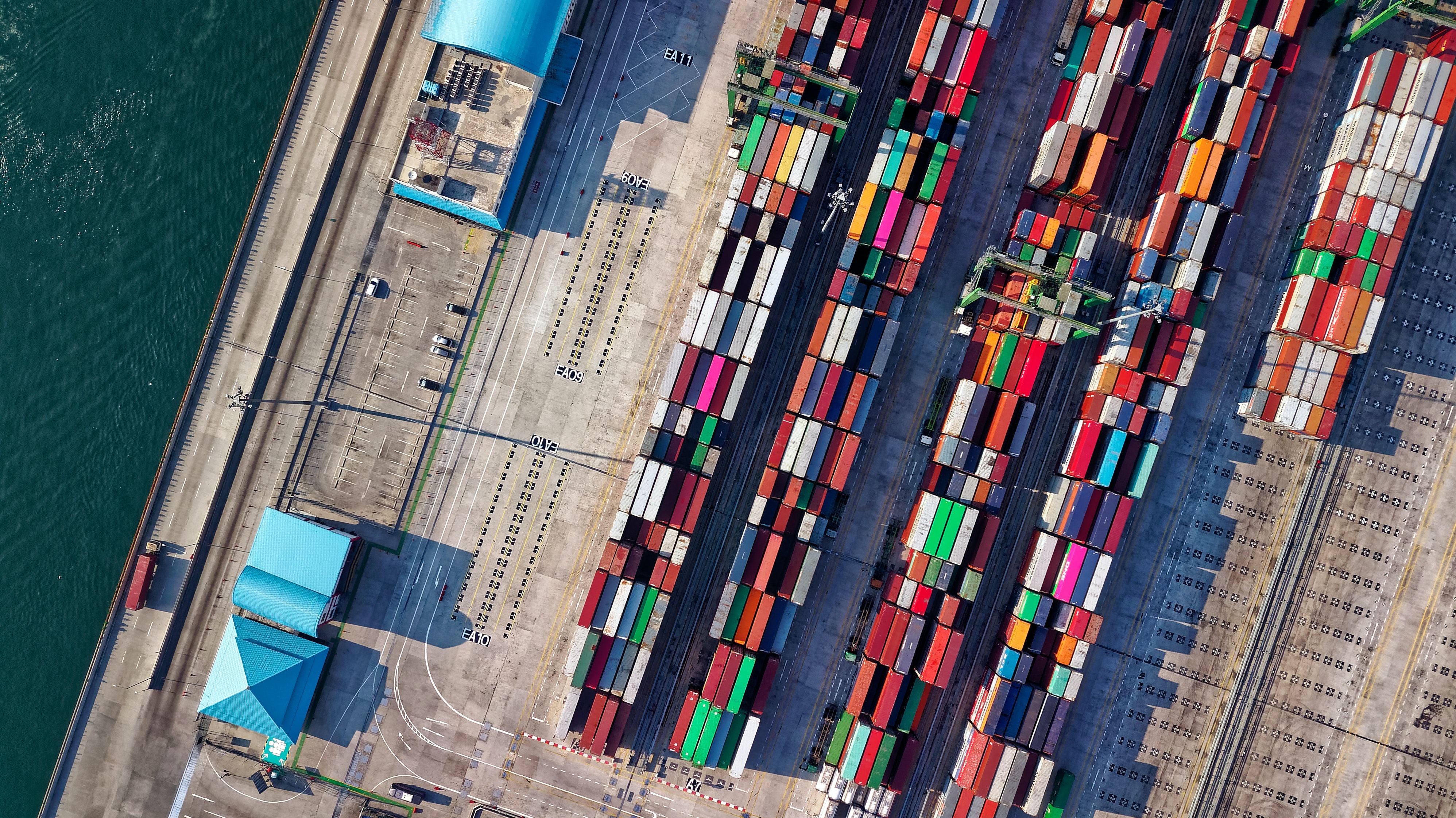
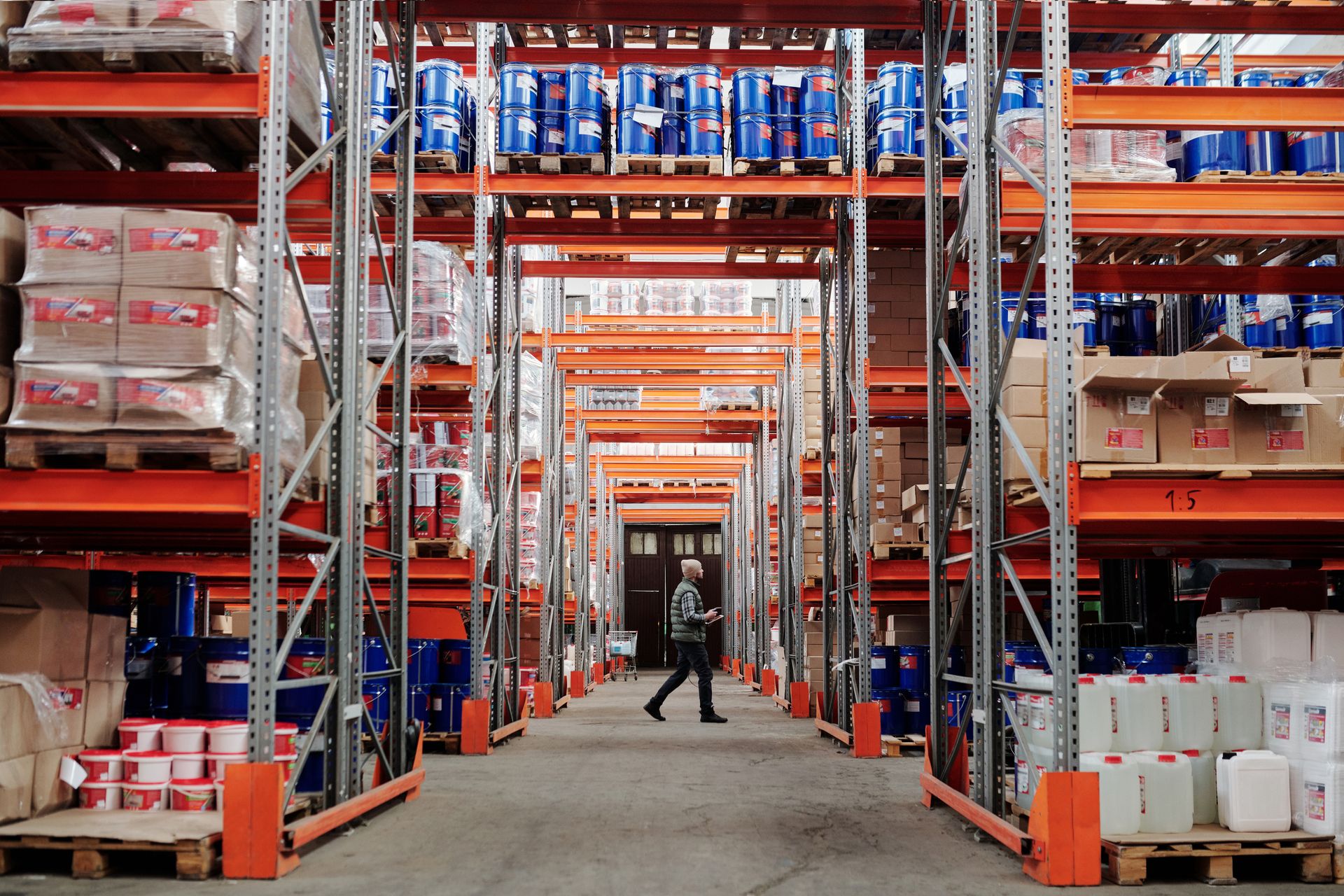
Where you'd need a separate 3PL and a freight forwarder and an import broker, eBrands operates an integrated fulfilment network across the US and Europe. Warehousing, pick and pack, last-mile delivery, returns processing, all connected to our sales channels in real time. We're also the Importer of Record, so customs clearance and duty payments happen before the goods hit the shelf.
Where you'd hire a compliance consultant or try to figure out VAT registration yourself, eBrands handles it as part of the operating model. VAT filing, sales tax remittance, CE marking, FDA requirements, EPR, packaging regulations. When we become the Merchant of Record, the legal liability for compliance in every market sits with us.
And where you'd need a separate D2C agency for Shopify, we manage your storefronts with performance marketing, CRM, and conversion work. Same team that manages your marketplaces. Same data platform.
The Economics of Consolidation
The real problem with the patchwork model isn't just complexity. It's cost.
Take a brand doing €1M in international revenue. In the traditional setup, you're paying a distributor margin of 40-50% on wholesale, or running your own operations with a marketplace agency (€3-5K/month plus ad spend percentage), a 3PL (13-15% of revenue), platform fees (6-15% depending on channel), a compliance consultant (€1-2K/month), and at least one hire to coordinate everything (€65K+ salary plus overhead).
All in, operational costs sit at 40-55% of revenue before COGS. EBITDA contribution on that €1M is somewhere between €50K and €150K. Maybe.
With eBrands, you pay a management fee and a commission on sales. Direct costs like logistics, advertising, and platform fees are passed through at cost, zero markup. Total eBrands fees on that same €1M run around 13%, and the direct costs are costs you'd pay regardless. We just negotiate better rates because of volume across 100+ brand partnerships.
EBITDA contribution: closer to €400K. Not because any single line item is cheaper, but because one partner replaces six. One fee structure replaces five margin layers stacking on top of each other.
Cross-Channel Intelligence
There's also an operational advantage that's hard to quantify but shows up fast.
When one team manages your Amazon, your D2C, your retail, and your marketplaces, they can move across channels in real time. If a product starts trending on TikTok Shop, we increase inventory allocation on Amazon and push it to retail buyers the same week. If Amazon prices get undercut by a third-party seller, we adjust D2C promotions that afternoon. If something is selling faster in Germany than the US, we reallocate stock between warehouses before you run out.
That's what our platform Apollo does. It connects every channel, every warehouse, every ad platform into one live view. Your brand manager at eBrands sees the same data you do.
None of that is possible when your Amazon agency doesn't talk to your logistics provider, your logistics provider doesn't know what your distributor is doing, and your distributor is making pricing decisions that undermine your D2C strategy.
What You Still Control
A question we get a lot: "If eBrands does everything, what do I actually control?"
You control brand strategy, how your brand looks, sounds, and feels in every market. You control pricing, the retail price and the promotional calendar. You control product, what gets launched, when, and where. You control assortment, which products go to which markets and channels.
eBrands controls execution. We handle the how. That's different from a distributor where you hand over control entirely, and different from DIY where you keep control but have to build everything yourself.
Who This Is Built For
This model isn't for everyone. It fits consumer brands that have proven product-market fit, are doing meaningful revenue in at least one market, and want to expand internationally without building a large internal operations team.
If you're a startup still figuring out product-market fit, it's probably not the right time. If you're a massive corporation with existing infrastructure in every market, you don't need us.
But if you're a brand doing €2M to €50M in revenue, with great products and an ambition to sell globally, and you'd rather spend your energy on product and brand building than on managing customs documentation and VAT filings, that's exactly where eBrands fits.
Where This Leaves Us
The patchwork partner model made sense when global commerce was simpler. You'd sell on one marketplace in one country and call it international expansion.
That doesn't work anymore. Consumers buy across channels and borders. They expect local delivery, local payment methods, local customer service. Delivering on that requires infrastructure that no single agency, distributor, or marketplace manager can provide on its own. It requires a partner that covers the full value chain, from import to last-mile, from listing to customer service, from tax filing to real-time analytics. That's what eBrands does.

“ We are dedicated to assisting you; please contact us for any information or inquiries you may have. ”











%2520-%2520Copy.jpeg)



_Nick_Fancher_Photos_ID6071.jpeg)
.jpeg)






.jpeg)