Merchant of Record Services: What's Included and How to Compare Providers

"Merchant of Record services" is one of those phrases that means very different things depending on who's saying it.
Paddle calls itself a Merchant of Record and what they include is payment processing plus digital sales tax remittance. That's the entire scope. eBrands also calls itself a Merchant of Record and what we include is 40+ operational services across legal, payments, fulfillment, marketplace operations, and growth.
Same label. Different category.
If you're evaluating providers, you need to know what's actually inside before you sign anything. Here's the breakdown across five categories.
1. Legal seller and tax services
The MoR becomes the legal entity selling your product in each market. That includes:
- Local entity registration and maintenance in each operating country
- VAT registration and sales tax remittance
- EPR (Extended Producer Responsibility) for packaging, electronics, and batteries in EU markets. Costs €5,000 to €20,000 per market per year if you handle it yourself
- Importer of Record duties: customs clearance, HS codes, EORI numbers, duty payment
- Product compliance. CE marking, REACH, country-specific labeling requirements
- Amazon's Responsible Person requirement for EU listings
This is the layer that's hardest to replicate yourself. It's also the layer SaaS-focused merchant of record services typically don't touch beyond digital VAT.
2. Payment processing and fraud
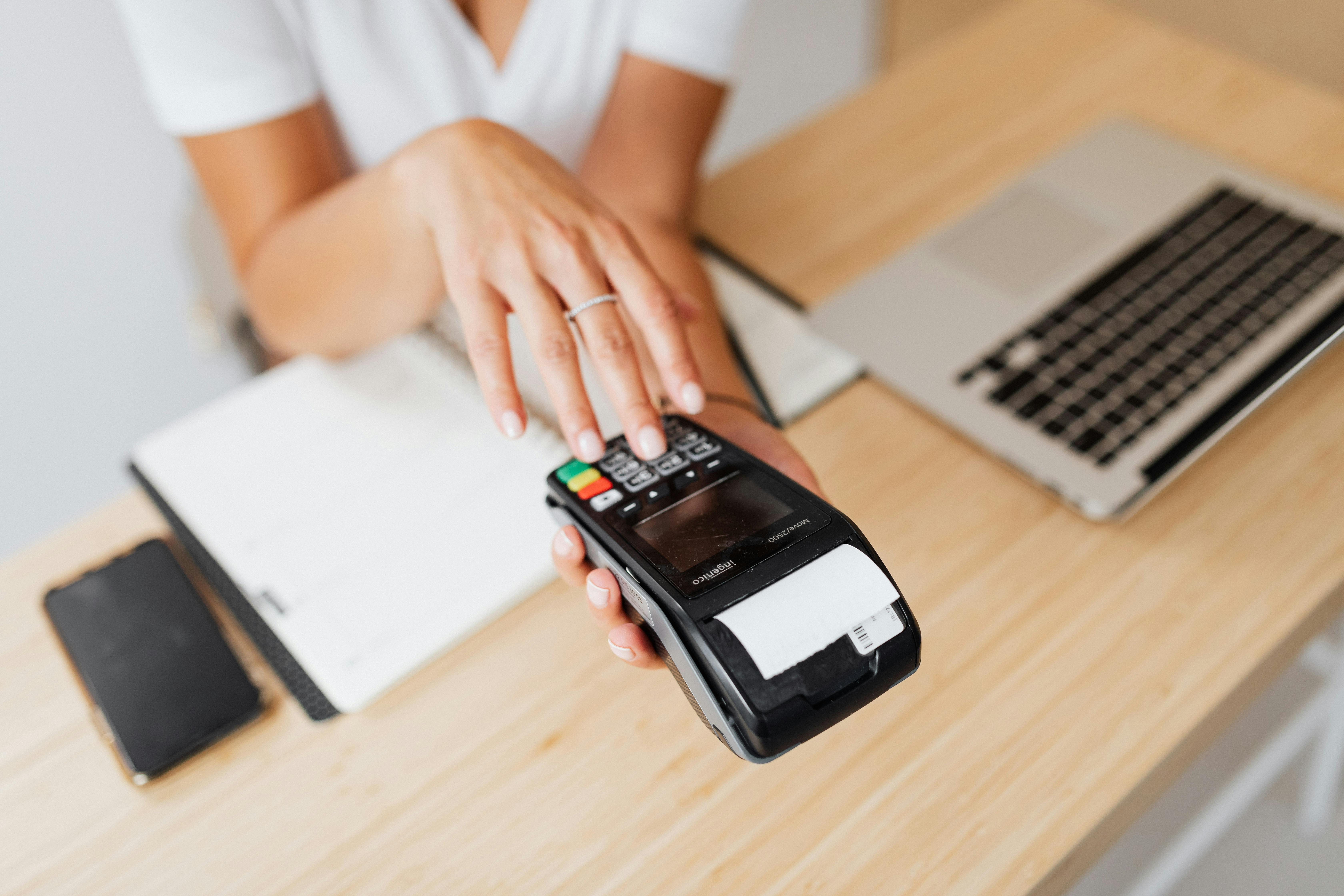
Card processing, multi-currency settlement, chargeback handling, refunds, fraud detection, local payment methods. iDEAL, Bancontact, Klarna, BLIK, Trustly. PCI-DSS compliance is the MoR's responsibility.
3. Fulfillment and logistics
This is where consumer-brand MoRs diverge most from SaaS ones. The full stack includes:
- Inbound receiving and storage in regional warehouses
- Order fulfillment and shipping to end customers
- Returns processing. Including reverse logistics across borders
- FBA prep and replenishment for Amazon
- 3PL integration if the brand has its own logistics partner
4. Channel operations
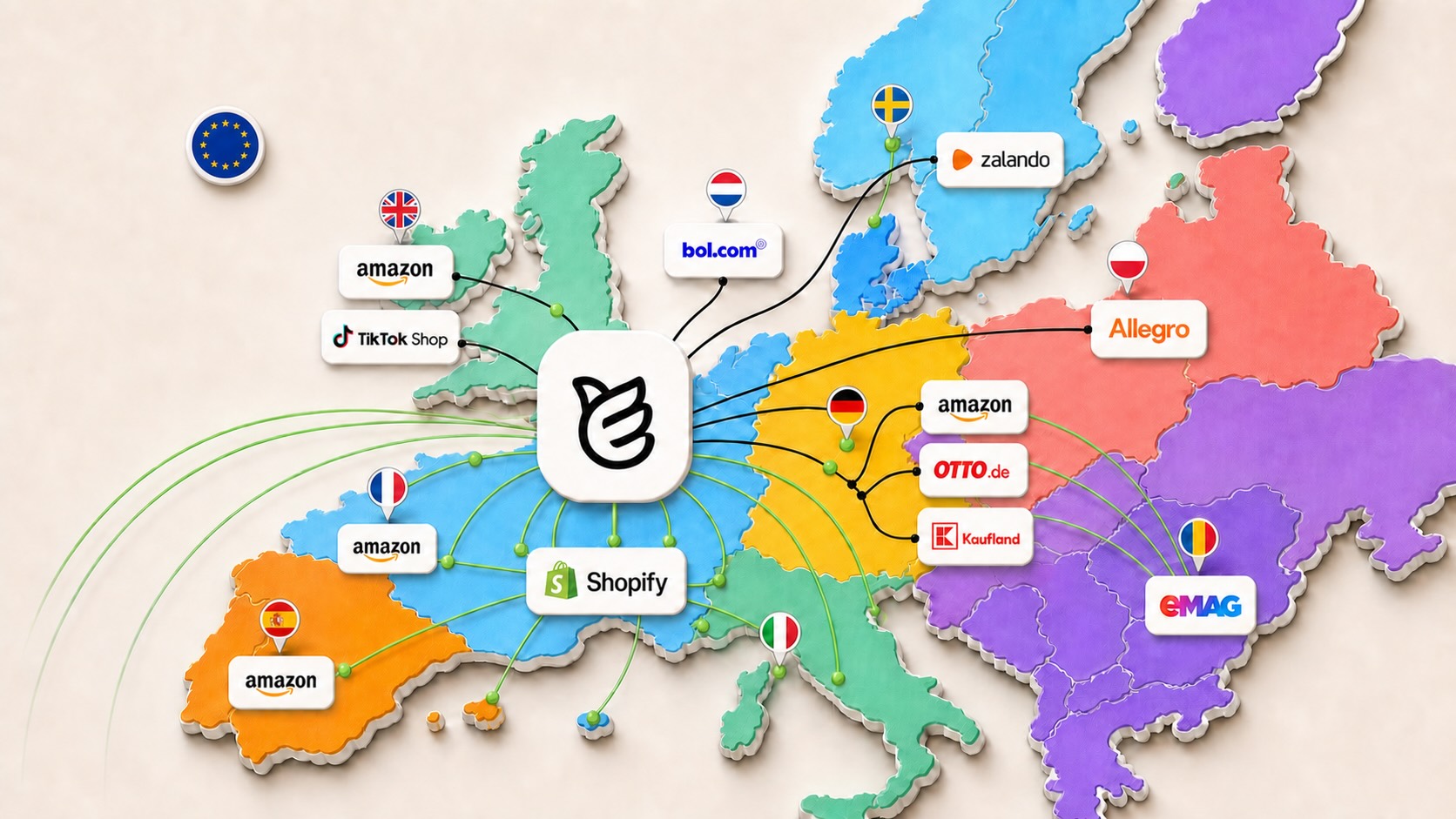
Marketplace listings, content optimization, advertising, inventory management, account management. Amazon Seller Central or Vendor Central. eBay, Bol, Allegro, Kaufland, Cdiscount, Shop Apotheke, Decathlon. Shopify D2C stores. TikTok Shop. Each one has its own operational model.
5. Customer service and post-sale
Tickets, refunds, replacements, escalations. Local language support. Many MoRs treat this as an add-on. Built-in is the better deal. Fragmenting customer service across multiple vendors usually creates a bad customer experience and ends up showing up in your reviews.
How to compare providers
Five questions cut through most marketing pitches.
Where are you registered as MoR? Specific country list, not a region. "Europe" is not an answer.
Which categories above are included in the base fee, which are add-ons, and which aren't offered at all? Get this in writing.
Are operational costs passed through at cost or marked up? Ad spend, shipping, warehousing. The good operators pass through at cost. The bad ones build margin into every line.
Who owns the customer data? Customer relationships, repeat purchase data, email lists. If the MoR keeps it, you have a problem when you exit.
What does exit look like? How long does it take to transition off, what gets returned, who pays for the unwind. If they can't answer it cleanly, the answer is bad.
If you want to go deeper into provider selection, our 12-question framework is here: How to pick a Merchant of Record provider.
eBrands' Merchant of Record services bundle all five categories into a single operator. Details on the platform page, scoping conversation via contact.

“ We are dedicated to assisting you; please contact us for any information or inquiries you may have. ”

.jpg)
.jpg)