What Is a Merchant of Record? (For Physical Goods Brands)

The short answer
What is a Merchant of Record? It's the legal entity that sells your physical goods to the end customer.
Their name is on the customer's receipt. They charge the tax. They issue the invoice. They handle the refund. They carry the regulatory liability for every transaction. From the customer's perspective, the Merchant of Record is the seller. Even though the brand and the product are yours.
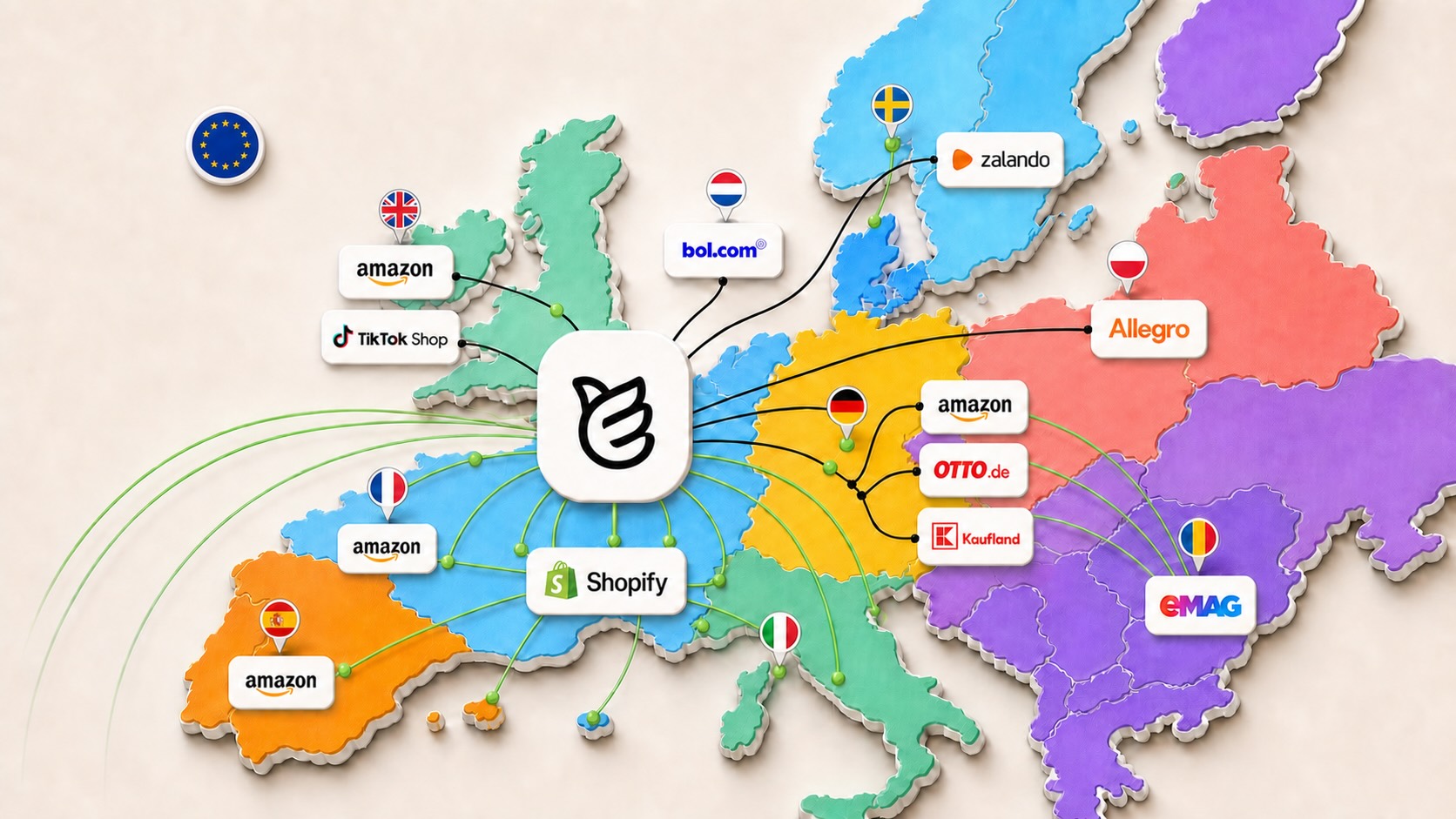
If you're a physical goods brand looking to sell internationally without setting up legal entities in every country, a Merchant of Record is the operational shortcut for cross-border ecommerce expansion. The MoR becomes your seller in those markets while you keep ownership of everything that matters: brand, product, IP, inventory, and customer relationships.
Where the term came from
The label originated in payment processing in the early 2010s. It described the entity legally accountable to card networks (Visa, Mastercard, Amex) for the transaction. The MoR was the company whose merchant ID processed the payment, who carried PCI-DSS compliance responsibility, and who'd take the hit on a chargeback.
The first MoR services were built for SaaS. Paddle, FastSpring, Lemon Squeezy, PayPro Global. They handled digital sales tax in every jurisdiction so software companies didn't have to. That's still the dominant search-result interpretation today.
For physical goods, the MoR concept was extended. The legal-seller wrapper still applies. But the operational scope expanded into customs, fulfillment, returns, channel operations, and compliance.
What a MoR for physical goods does
Six things, in scope:
- Acts as legal seller of record in each market
- Collects and remits VAT, sales tax, GST, and other transaction taxes
- Handles import as Importer of Record. Customs clearance, duties, HS codes, EORI numbers
- Processes payments and manages chargeback liability
- Manages product compliance (CE marking, EPR, country-specific labeling)
- Often handles fulfillment, customer service, and channel operations on top of the legal layer. Depending on provider scope
What a MoR is not
It's not a distributor. A distributor buys your inventory at wholesale and resells it. They take title to the goods and you've sold them once. A MoR sells on your behalf. The inventory stays on your balance sheet until end-customer sale, and you control pricing and brand decisions.
It's not a marketplace seller account on your behalf. Some agencies offer to log into your Amazon Seller Central and manage it. The seller of record there is still you, and you carry all the legal liability. With a MoR, the seller of record is the MoR.
It's not a tax compliance tool. Avalara, TaxJar, and similar SaaS calculate tax. They don't take legal responsibility for it. A MoR is the legal entity that owes the tax authority.
Why brands use one
The model exists because international expansion is operationally expensive. Setting up VAT registration in five countries, plus a payment gateway, plus customs accounts, plus regional warehousing, plus marketplace presence. The typical timeline is 6 to 12 months and the cost runs €100K-€300K per market in setup and first-year operating costs.
A MoR collapses that timeline to weeks and replaces fixed setup with a variable revenue share. The tradeoff is a percentage commission on sales and some loss of direct control over the customer interaction.
How to evaluate a Merchant of Record
What is a Merchant of Record provider really offering you? Three questions to ask first:
Are you registered as MoR in every market I want to enter? Get the specific list of countries.
Do you also handle Importer of Record duties? Many MoRs don't, which means you still need a separate IoR setup.
What's actually included in the base fee versus add-ons? The pricing transparency answer is usually a pretty clean tell on whether they're operationally honest.
For comparison frameworks, see 11 MoR companies compared and how to pick a MoR provider.
eBrands acts as MoR for consumer brands across 12+ markets. Details: /merchant-of-record.

“ We are dedicated to assisting you; please contact us for any information or inquiries you may have. ”

.jpg)
.jpg)