11 Merchant of Record Companies Compared (2026)

Search "merchant of record companies" and you get a confusing mix back. SaaS payment processors. Cross-border checkout tools. Tax compliance platforms. Full-stack commerce operators. All using the same term, all solving very different problems.
Here's a comparison of 11 leading merchant of record companies, mapped across two axes: what type of seller they serve (SaaS / digital goods vs physical goods / consumer brands) and scope of services (payment-only vs full operations).
SaaS-focused Merchant of Record companies
1. Paddle
Best for: SaaS, digital products, app developers.
Pricing: 5% + $0.50 per transaction (Paddle Billing).
Includes: Payment processing, sales tax / VAT remittance globally, subscription billing, fraud handling.
Doesn't include: Anything physical. Fulfillment, customs, EPR, marketplace operations.
2. FastSpring
Best for: SaaS, downloadable software, courses.
Pricing: 5.9% + $0.95 per transaction (varies by plan).
Includes: Same scope as Paddle. Long history with B2B SaaS.
Doesn't include: Physical products.
3. Lemon Squeezy
Best for: Indie developers, small SaaS, digital downloads.
Pricing: 5% + $0.50 per transaction.
Includes: Stripe-style integration, subscription support, sales tax handling, payment processing.
Doesn't include: Physical fulfillment.
4. PayPro Global
Best for: Mid-market software, security/utilities, VPN companies.
Pricing: Custom, generally 4-6% on volume.
Includes: SaaS-focused MoR with local payment methods in 100+ countries.
Doesn't include: Physical goods.
5. 2 Checkout (Verifone)
Best for: SaaS, digital products, low-volume physical sellers.
Pricing: Tiered, usually 3.5-6%.
Includes: Cart/checkout, subscriptions, fraud, recurring billing.
Doesn't include: Marketplace operations, fulfillment, deep physical goods compliance.
Cross-border ecommerce platforms
6. Global-e
Best for: Established D2C brands selling cross-border via their own Shopify or other storefront.
Pricing: Custom. Typically 8-15% of cross-border revenue.
Includes: Localized checkout, currency conversion, duties pre-payment, shipping. MoR for the cross-border transaction.
Doesn't include: Marketplace operations (Amazon, etc.), warehousing, paid media, channel growth.
7. Reach (withReach)
Best for: D2C cross-border, smaller volume than Global-e.
Pricing: 4-7% on cross-border transactions.
Includes: Payment localization, fraud, FX, duty calculation. Lighter scope than Global-e.
Doesn't include: Channel operations, fulfillment.
8. ESW (formerly eShopWorld)
Best for: Mid-market and enterprise D2C brands.
Pricing: Custom enterprise contracts.
Includes: Localized checkout, payment, taxes, shipping, returns. MoR/IoR services.
Doesn't include: Marketplace operations as primary scope.
Full commerce operators (physical goods MoRs)
9. eBrands
Best for: Consumer brands scaling internationally across Amazon, marketplaces, and D2C.
Pricing: Monthly retainer + 6-10% performance commission, no markup on operational pass-throughs.
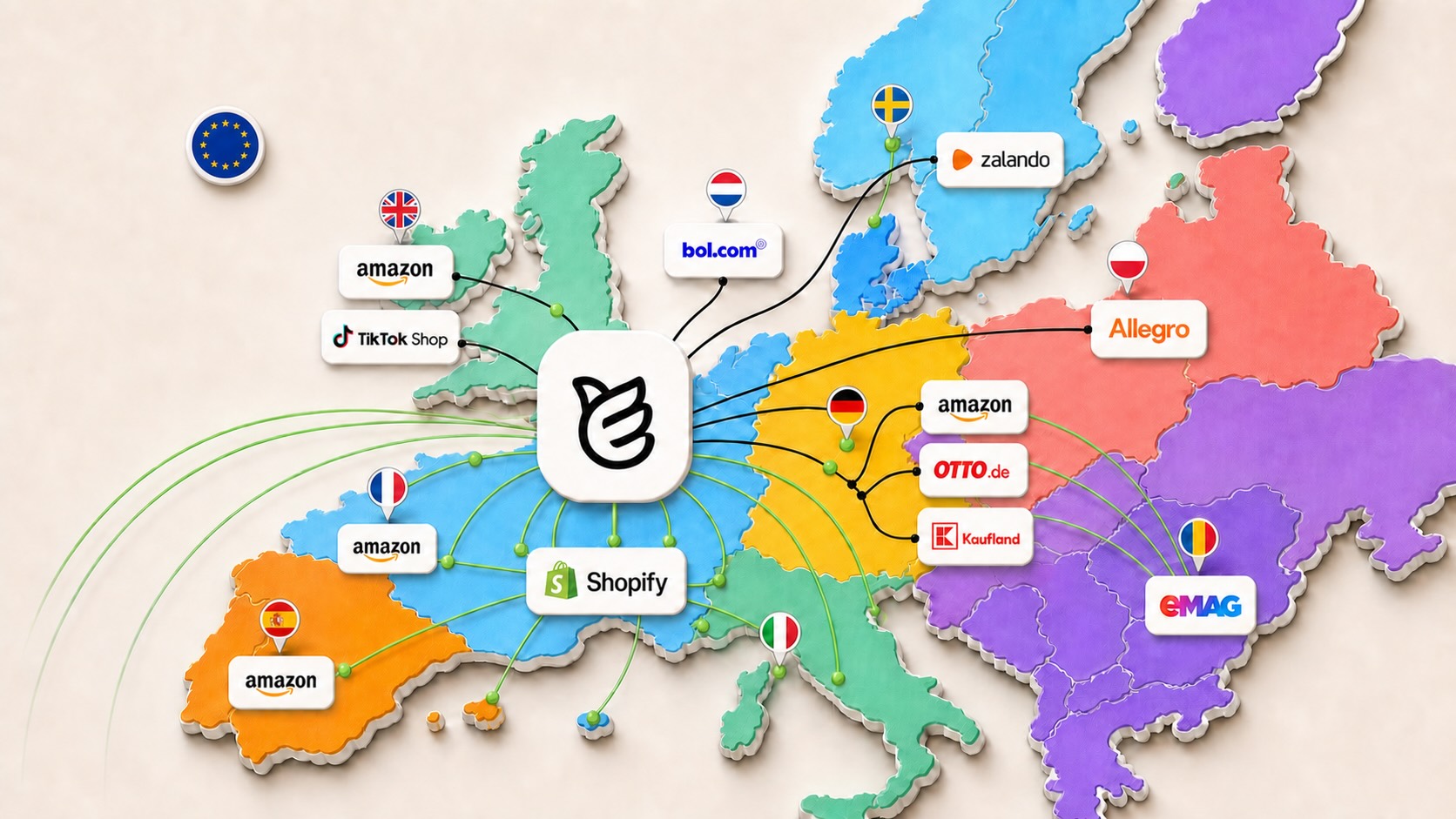
Includes: MoR + IoR + fulfillment + Amazon, marketplaces, D2C, TikTok Shop, retail. Compliance, EPR, warehousing, customer service. Apollo intelligence platform for performance management.
Doesn't include: SaaS or pure digital goods.
10. Pattern
Best for: Brands that want operational support on Amazon and a few other marketplaces.
Pricing: Wholesale model. Pattern often acts as a 1P seller (buys inventory, resells) rather than 3P MoR.
Includes: Amazon channel management, ad operations, brand protection. Strong North America focus.
Doesn't include: A pure 3P MoR setup like eBrands. Different commercial model.
11. Operator One
Best for: Brands looking for marketplace focused operations.
Pricing: Commission and fee
Includes: Amazon and marketplaces
Doesn't include: Same North America and European marketplace breadth as eBrands.
Picking the right one
Three questions narrow it fast:
1. What are you selling? SaaS or digital, Paddle / FastSpring / Lemon Squeezy. Physical, skip them.
2. How wide is your channel mix? D2C only, cross-border platform like Global-e. Multi-channel including Amazon and EU marketplaces, full commerce operator.
3. What's your geographic priority? Europe, eBrands or ESW. North America Amazon, Pattern or Operator One. Worldwide cross-border D2C, Global-e.
The biggest mistake is matching a SaaS-focused merchant of record to a physical goods business. They look cheaper on the rate card and they don't include any of the operational layers that consumer brands actually need. Here's why that mismatch fails.
For more on selecting a partner: 12 questions to ask any MoR provider.

“ We are dedicated to assisting you; please contact us for any information or inquiries you may have. ”

.jpg)
.jpg)