Merchant of Record vs Seller of Record: What's the Difference?

The Merchant of Record vs Seller of Record question sounds like splitting hairs. In casual use, the two terms are often treated as synonyms. People use them interchangeably in pitch decks, in agency proposals, in vendor comparisons.
They're not the same thing.
The distinction matters when you're signing a partnership agreement, filing taxes, evaluating a marketplace setup, or trying to figure out who's legally responsible for what.
Merchant of Record vs Seller of Record: what each term means
Merchant of Record (MoR)
Originated in payment processing. The MoR is the entity whose name appears on the customer's payment receipt and who is legally accountable to card networks (Visa, Mastercard, Amex). They carry chargeback liability and PCI-DSS compliance responsibility. The merchant ID on the transaction belongs to them.
If a customer disputes a charge, the card network goes to the MoR. If there's a fraud investigation, the MoR is the entity being investigated.
Seller of Record (SoR)
Originated in tax and commercial law. The SoR is the legal entity that sold the product. They issue the invoice, owe the tax, and carry product liability under consumer law. The SoR is the one you sue if the product malfunctions.
If a tax authority audits the transaction, they go to the SoR. If a regulator pulls the product off shelves, the SoR is the entity that has to handle the recall.
The overlap (which is why people conflate them)
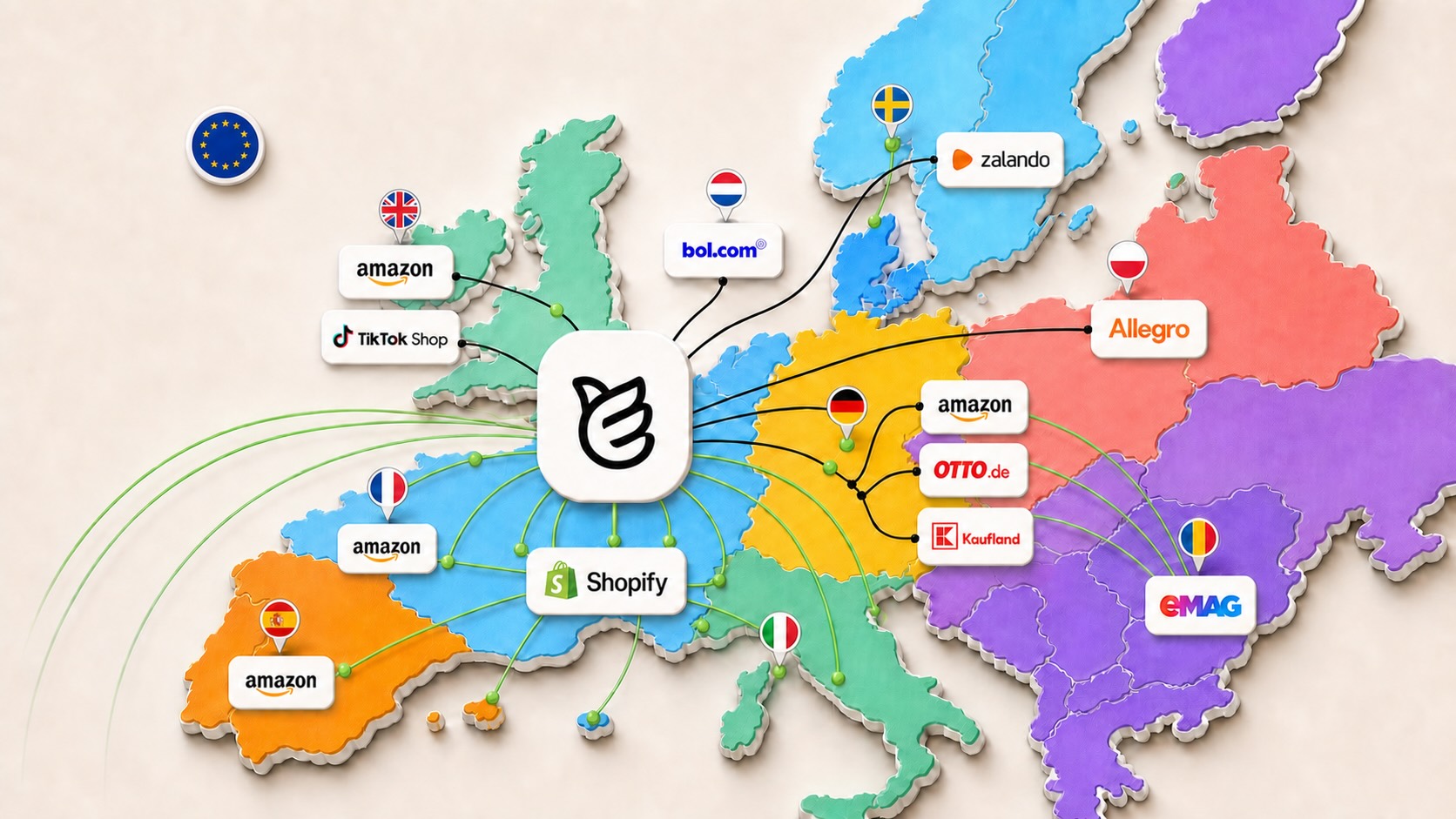
In most consumer-brand transactions, the same entity is both. eBrands, for example, is both Merchant of Record and Seller of Record in every market we operate in. Paddle, when it sells SaaS, is both. So is FastSpring.
That's why in casual usage the terms are treated as synonyms. For the simple commercial setup, they describe the same legal entity wearing two hats.
Where they actually diverge
Three setups where MoR and SoR are different entities:
1. Marketplace selling
On Amazon, you (the brand) are the Seller of Record. Amazon is the Merchant of Record on the transaction itself. The customer's receipt says "Amazon.com, Inc." but the legal seller of the product is the brand.
This is why Amazon collects sales tax in some US states (because they're the marketplace facilitator MoR) but you still need to handle product liability and own the listing (because you're the SoR).
2. SaaS payment platforms
Stripe is a Payment Facilitator. They process the payment but they're not the seller. The actual SaaS company is the SoR. The MoR depends on the integration. It could be Stripe Connect (where Stripe is technically MoR for the transaction), or it could be the SaaS company itself.
3. Drop-shipping and fulfillment-only models
Some 3PLs offer "sell on your behalf" services where they ship and bill, but the brand remains SoR. The 3PL is closer to a logistics provider with a payment wrapper. Liability stays with the brand.
Merchant of Record vs Seller of Record: which matters for tax purposes?
Tax authorities mostly care about who legally sold the product. The SoR. VAT registration, sales tax registration, EPR registration, importer of record duties. These all attach to the seller of record, not the payment processor.
That's why "we'll be your MoR" from a SaaS-style provider is often inadequate for physical goods brands. If they're not also your SoR, you still need local tax registration in every market.
Which one matters for product liability?
Same answer: the SoR. If a product defect injures a customer, the consumer protection lawsuit goes to the entity legally selling the product. The MoR's liability is to the card network for the payment, not to the consumer for the product.
The practical takeaway on Merchant of Record vs Seller of Record
For most international expansion, you need both, and you want them in the same operator. Splitting MoR (payment liability) from SoR (legal seller) creates compliance gaps that auditors and regulators eventually find.
When evaluating any commerce partner, ask the question directly: are you registered as Merchant of Record AND Seller of Record in every market we want to enter? If they pause on either, that's the answer.
eBrands operates as both MoR and SoR across 12+ markets. Details on the platform page.

“ We are dedicated to assisting you; please contact us for any information or inquiries you may have. ”

.jpg)
.jpg)

















_Nick_Fancher_Photos_ID6071.jpeg)