Cross-Border Ecommerce in the EU: When a Distributor Stops Making Sense
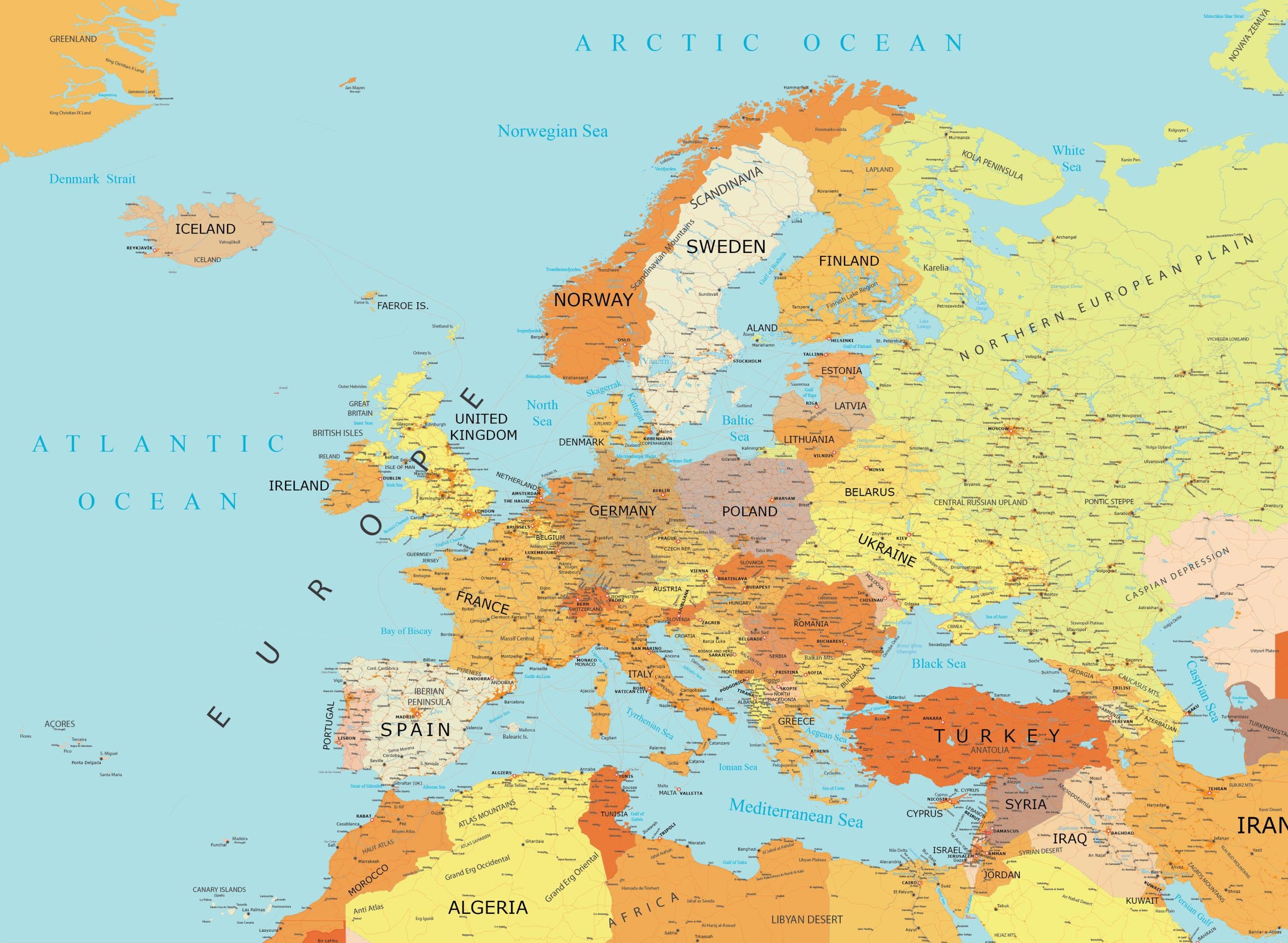
For a consumer brand at €5M–€20M in revenue, the EU looks like a single market on paper. In practice, it's 27 countries, 24 official languages, three VAT regimes, fragmented logistics networks, and a regulatory layer that changes every quarter. Most brands hit a fork in the road: hand the whole thing to a distributor, or operate it themselves.
There's now a third option — and it's the one most modern consumer brands should be looking at.
The traditional distributor model
Distributors sit between you and the EU market. They buy from you wholesale, take title to the goods, and handle import, warehousing, sales, and customer service. You get clean cash conversion and zero operational complexity in market.
That sounds great until you look at the numbers:
- 25–35% off your wholesale margin, every unit, forever
- No customer data — you can't email anyone, retarget anyone, or run a loyalty program
- No control over how your brand is positioned in-market
- One distributor per territory — if they underperform, you can't switch fast
- Renewals come with leverage in their favor, not yours
For a startup with no EU presence and no internal capacity, this can be rational. For a brand at €10M+ trying to compound, every distributor euro is permanent margin you never get back.
What a commerce operator does differently
A commerce operator does what a distributor does — except they don't take title to your goods and don't take a wholesale margin.
You stay the brand owner. They handle the operational layer: legal entity in each market, VAT registration, payments, logistics, listings, ads, and customer service.
The contractual setup is different too. With a distributor you sell wholesale. With a commerce operator like eBrands, you stay the brand owner while we sit underneath as your Merchant of Record and Importer of Record — the legal entity that takes the tax, compliance, and import risk so you don't have to set up local subsidiaries.
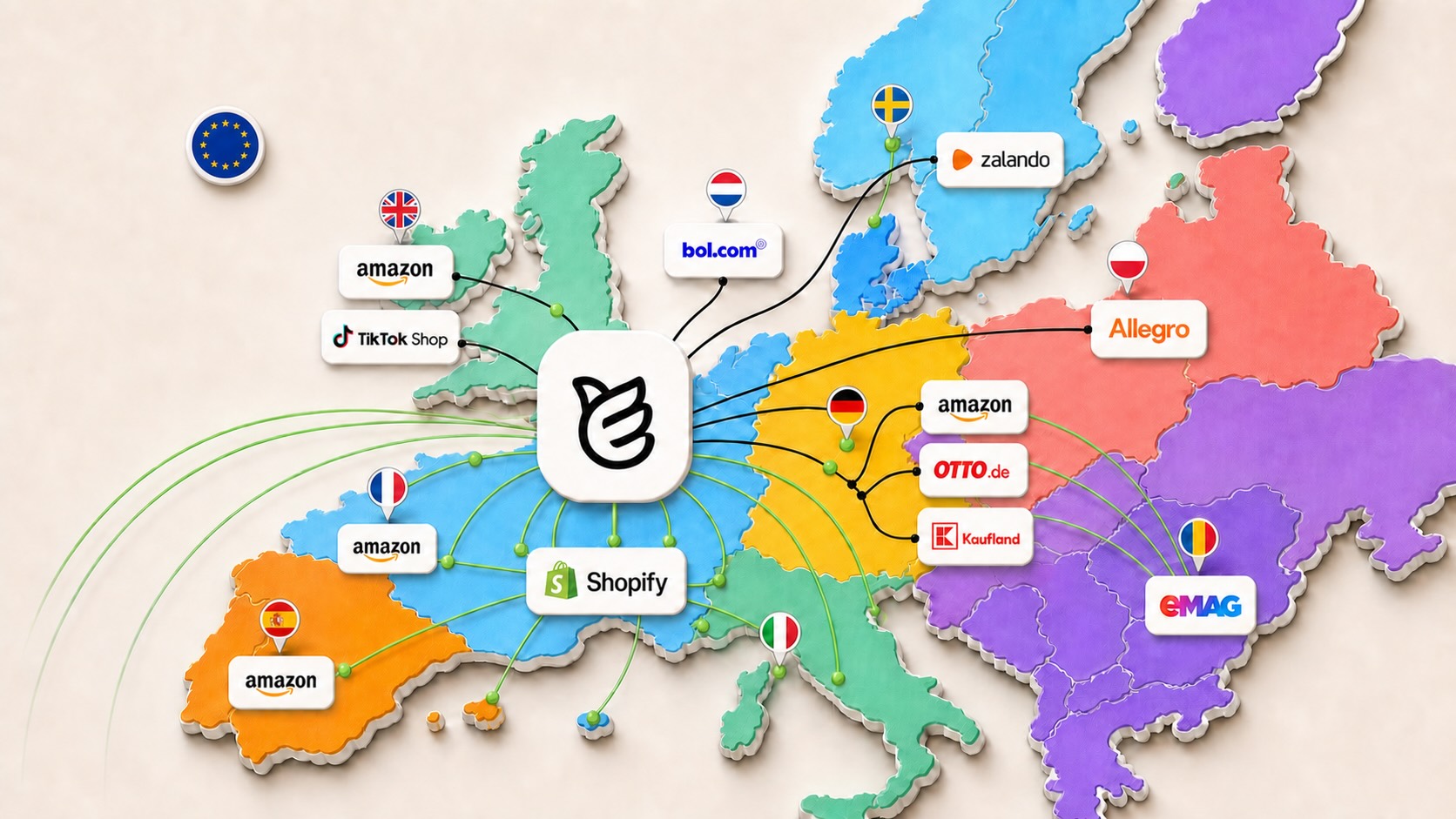
The economic effect: you keep DTC-level margins on every channel — Amazon, marketplaces like Allegro, Bol and Zalando, your own Shopify, and retail — while we operate the engine that gets your products into those channels.
.jpg)
Distributor vs commerce operator: where they actually differ
DimensionTraditional distributorCommerce operatorWho owns the customer?DistributorYouMargin retained per unit65–75% of wholesale85–95% of DTCChannels coveredLimited (usually 1–2)D2C, marketplaces, retailCustomer data accessNoneFullSwitching costPainful (1–3 year contracts)ModularCompliance / VAT / IoR riskDistributor'sOperator'sSpeed to launch6–12 months2–4 weeksBrand positioning controlDistributor decidesYou decide
When a distributor still makes sense
There are real cases where distribution wins:
- You're a sub-€2M brand with no team to manage anything beyond the home market
- You're entering a market where regulatory complexity is so high you need someone with on-the-ground licenses (some pharma and restricted categories)
- You have one specific retail partner who only buys via their preferred distributor
- You want absolute zero operational involvement and the margin hit is fine with you
If any of those apply, distribution is the right call. For everyone else, the math has shifted.
When the commerce operator model is the better fit
- You're scaling past €5M and the distributor margin is now real money
- You sell on Amazon (a distributor has no incentive to optimize your ASIN long-term)
- You want to launch in 3+ EU markets simultaneously without 3+ distributor negotiations
- You want to keep your customer email list and run lifecycle marketing
- You want the option to add D2C in EU markets without channel conflict
- You don't have €500K+ to set up local entities, hire local teams, and bootstrap operations yourself

What cross-border ecommerce looks like with eBrands
We operate as the underlying legal and operational layer for consumer brands selling cross-border into the EU. That covers:
- Legal entity and tax registration across EU markets
- Intra-community VAT, OSS, IOSS handling
- Customs clearance and HS classification via our Importer of Record service
- Channel operations across Amazon, marketplaces, D2C, and retail
- Performance marketing in-house
- Apollo — our AI commerce engine that unifies the data across every channel
Brands keep ownership of product, IP, customer relationships, and brand decisions. We run the operational layer underneath, and we get paid on performance, not on a wholesale spread. For a deeper read on how this maps to the agency and distributor stack you may already have, see How the eBrands Platform Replaces Distributors, Agencies, and Marketplace Managers.
The decision check
Three questions usually decide it:
- Are you above €5M in revenue with credible EU demand?
- Do you want to own the customer relationship long-term?
- Are you running, or planning to run, on more than one channel?
If two or more of those are yes, the commerce operator model is almost certainly the better fit.
Where this goes next
The distributor model was built for a pre-digital, pre-marketplace EU. It still works in certain places. But for most consumer brands at scale, the math on owning your margin, your customers, and your channel mix has shifted permanently. The right question now isn't which distributor — it's whether you need one at all.
Talk to us about EU cross-border ecommerce →

“ We are dedicated to assisting you; please contact us for any information or inquiries you may have. ”

.jpg)

















_Nick_Fancher_Photos_ID6071.jpeg)