What Is an EORI Number and How Do You Get One?
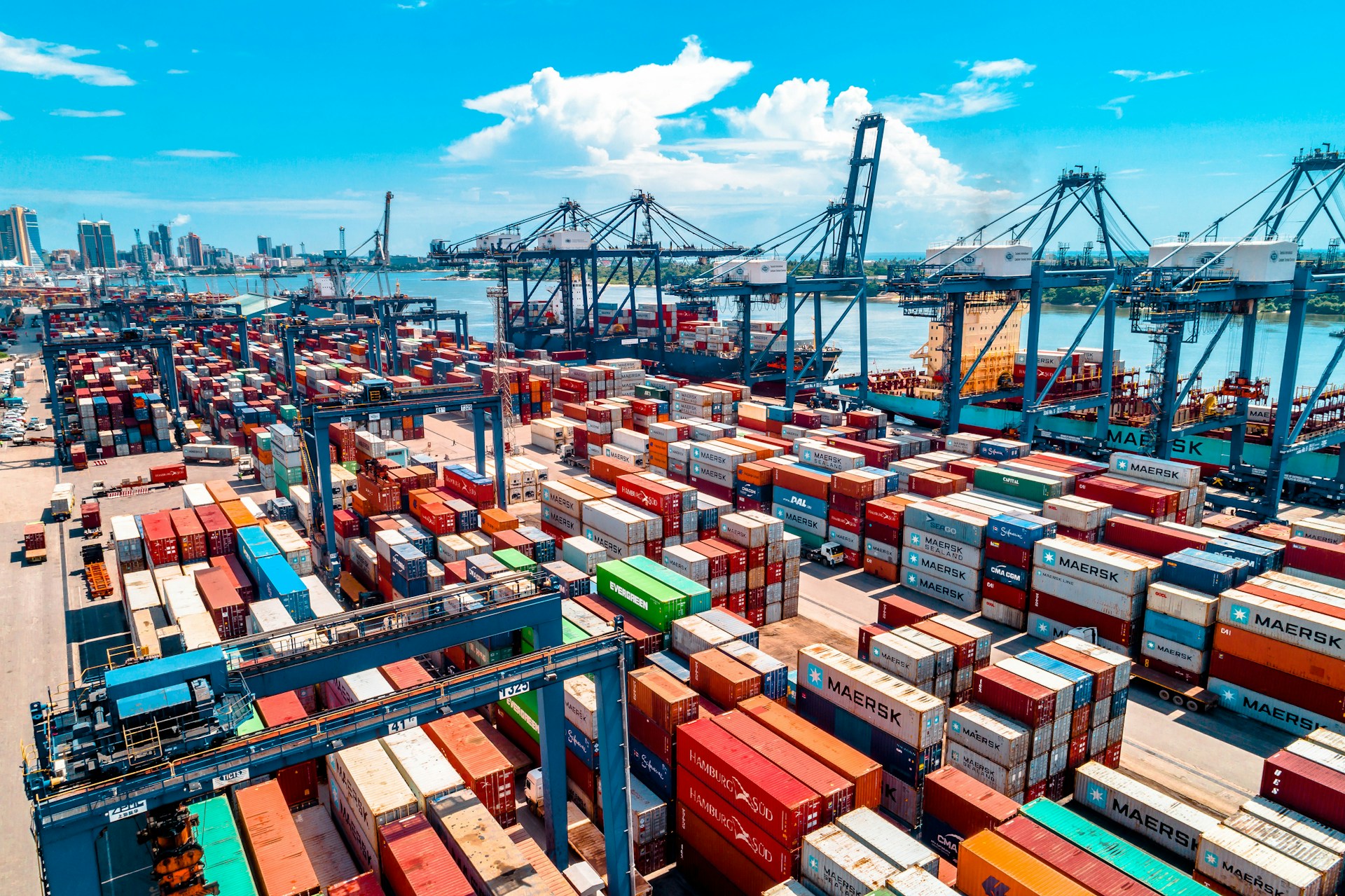
Every year, a predictable number of first shipments into the UK and EU get stuck at the border for the same unglamorous reason: nobody applied for a customs number that is free and takes minutes to request. The goods sit in a bonded warehouse, storage charges accrue daily, customers wait, and in the worst cases the shipment is returned or destroyed. The number in question is the EORI, and if your brand plans to move goods across a UK or EU border in any direction, it belongs at the top of your market-entry checklist.
The short answer: an EORI (Economic Operators Registration and Identification) number is the ID customs authorities use to identify your business on import and export declarations. It is free, it never expires, and in the UK most businesses receive one instantly or within five working days.
Key takeaways
- An EORI number identifies your business to customs. No valid EORI, no customs clearance, no exceptions.
- The UK and EU run separate systems since Brexit. Trading with both means holding both a GB EORI and an EU one.
- Applying is free. UK numbers arrive instantly for VAT-registered businesses and within 3 to 5 working days otherwise.
- One EORI per legal entity covers all your shipments, product types, and volumes. It does not expire.
- An EORI identifies the importer, but it does not make you eligible to act as one in a market where you have no establishment. That is a separate problem with a separate solution.
What is an EORI number?
An EORI number is a unique identifier that customs authorities assign to businesses (and sometimes individuals) that move goods across their borders. Every customs declaration, import or export, carries the EORI of the party responsible, which is how authorities track duties, VAT, and compliance back to a legal entity. Think of it as your business's passport number at the border: nothing about it is difficult, but nothing moves without it.
The format depends on who issued it:
For VAT-registered UK businesses there is a small mercy: the first nine digits of your GB EORI are usually your VAT number, so the two identifiers stay easy to reconcile.

Who needs an EORI number?
Any business that moves goods across a UK or EU customs border, in either direction, needs one. That includes obvious cases like a manufacturer exporting pallets, and less obvious ones: a sole trader importing stock for resale (in the UK, applying with a National Insurance number), a Shopify brand shipping products into an EU fulfillment center, and a marketplace seller sending inventory to overseas warehouses. Since Brexit, it also includes every UK business trading with the EU, which pulled hundreds of thousands of companies into the system that had never filed a customs declaration before January 2021.
You do not need one for goods moving inside a single customs territory (Berlin to Paris, or Manchester to Cardiff), for services with no physical goods, or for personal, non-commercial items.
The post-Brexit detail that still trips brands up in 2026: the UK and EU EORI systems are entirely separate, and one cannot substitute for the other. A London brand importing from Asia and selling into Germany needs a GB EORI for the UK side and an EU EORI for the German side. Trade routed through Northern Ireland may require an XI EORI on top.
How do you get an EORI number in the UK?
Applying is free and runs through GOV.UK's EORI service with a Government Gateway account. Have these details ready:
- Your legal business name and registered address, exactly as HMRC has them on file.
- Your VAT number, if registered.
- Your Unique Taxpayer Reference (UTR) and Standard Industrial Classification (SIC) code, or your National Insurance number if applying as a sole trader.
- A short description of your trading activity.
The application itself takes 5 to 10 minutes. VAT-registered businesses often receive their number immediately; others typically wait 3 to 5 working days, with occasional delays when HMRC runs extra checks, usually because a UTR or SIC code does not match its records. Since June 2024, all UK declarations run through the Customs Declaration Service (CDS), so your EORI also needs to be linked to a CDS subscription before anyone can file under it.
Two useful notes. Businesses not established in the UK can still obtain a GB EORI by selecting the "not established in the UK" route, which drops the UTR and SIC requirements. And if you traded with the EU before 2021 as a VAT-registered business, check your old HMRC correspondence before applying: many companies were auto-enrolled and already have a number they have never used.
How do you get an EORI number in the EU?
The EU issues one EORI per legal entity, valid in all 27 member states, but the application goes through a national customs authority rather than a central portal. Where you apply depends on your situation. A business established in the EU applies in its home member state: the German customs administration for a German GmbH, the Dutch authority for a Dutch BV, and so on. A business established outside the EU applies in the first member state where it will lodge a customs declaration, typically the country of your entry port or fulfillment center.
Formats, portals, and processing times vary by country, from same-day in some member states to a couple of weeks in others, so build the buffer into your launch plan rather than your apology email. Once issued, the number works at every EU border: an NL-prefixed EORI clears goods into Poland or Spain without any additional registration.
What happens if you ship without an EORI number?
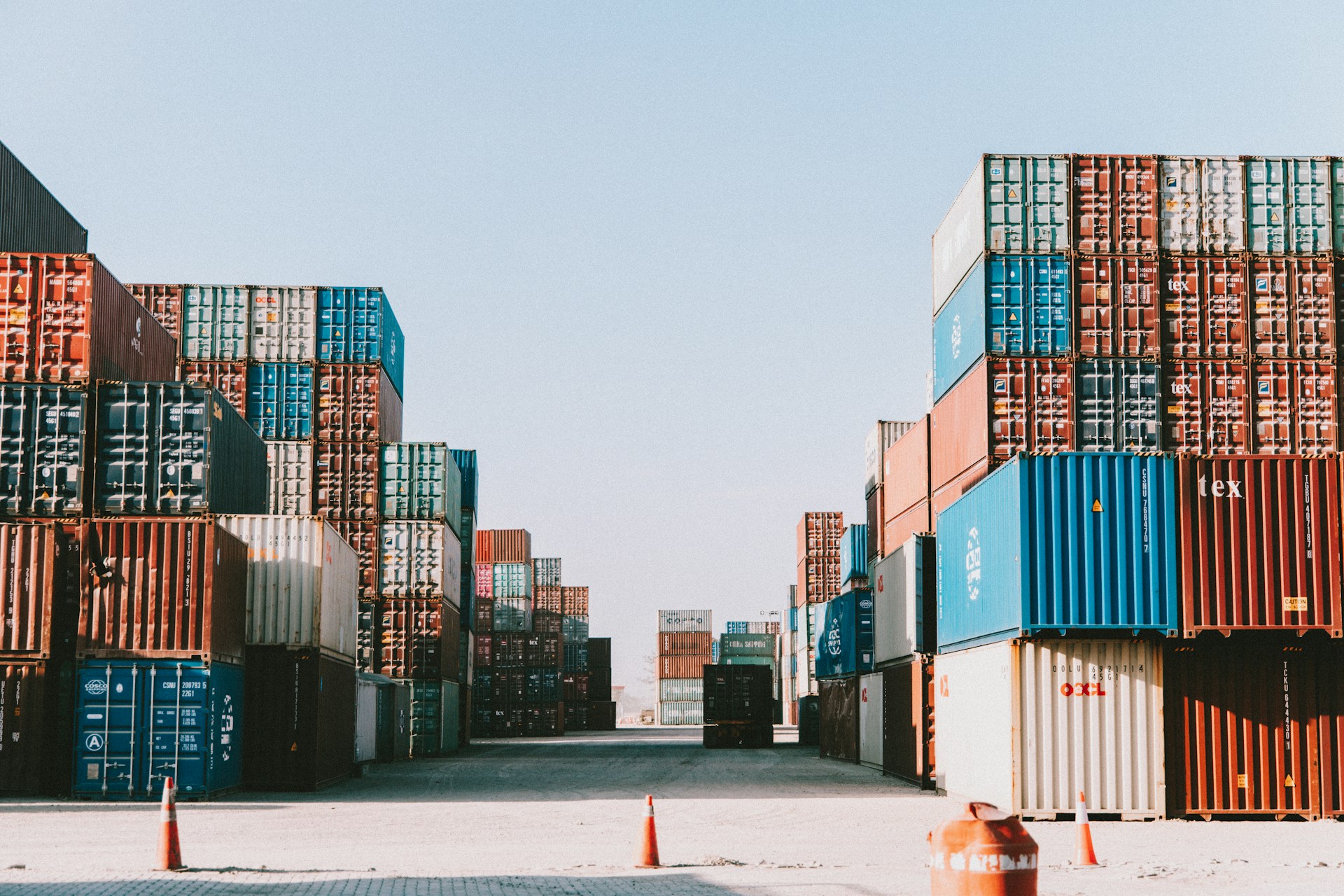
Customs simply will not process the declaration. The shipment is held at the border or moved into storage, where charges accumulate daily. If a valid EORI cannot be produced within a reasonable window, the goods can be returned to sender or, for some categories, destroyed. Beyond the stranded inventory, you inherit late deliveries, refund claims from customers, and in repeat cases penalties from the tax authority. All of it traces back to a free form that takes minutes to complete, which is why the only real rule with EORI numbers is: apply before your first shipment is on the water, not after it lands.
Validation is just as free. HMRC's EORI checker confirms any GB number (up to ten at a time, handy for vetting suppliers), and the European Commission's validation service does the same for EU numbers. Checking a new supplier's or 3PL's EORI before your first shipment together is thirty seconds well spent.
Is an EORI number enough to import into the EU or UK?
No, and this is the part most guides stop short of. An EORI identifies who is responsible for a customs declaration. It does not, by itself, make you eligible to take that responsibility. To act as the importer on an EU declaration, you generally need to be established in the EU or appoint an indirect representative who accepts joint liability for your duties and VAT, and most customs brokers decline that liability for non-established sellers. A freight forwarder will not act as your importer of record either; they file declarations using their own EORI on behalf of an importer, which still has to be someone.
[QUOTE PLACEHOLDER: one or two first-hand sentences from the eBrands supply chain or IoR team, e.g. the most common EORI-related surprise you see when onboarding non-EU brands, or a real example of what a missing registration cost a brand in storage fees and lost launch weeks.]
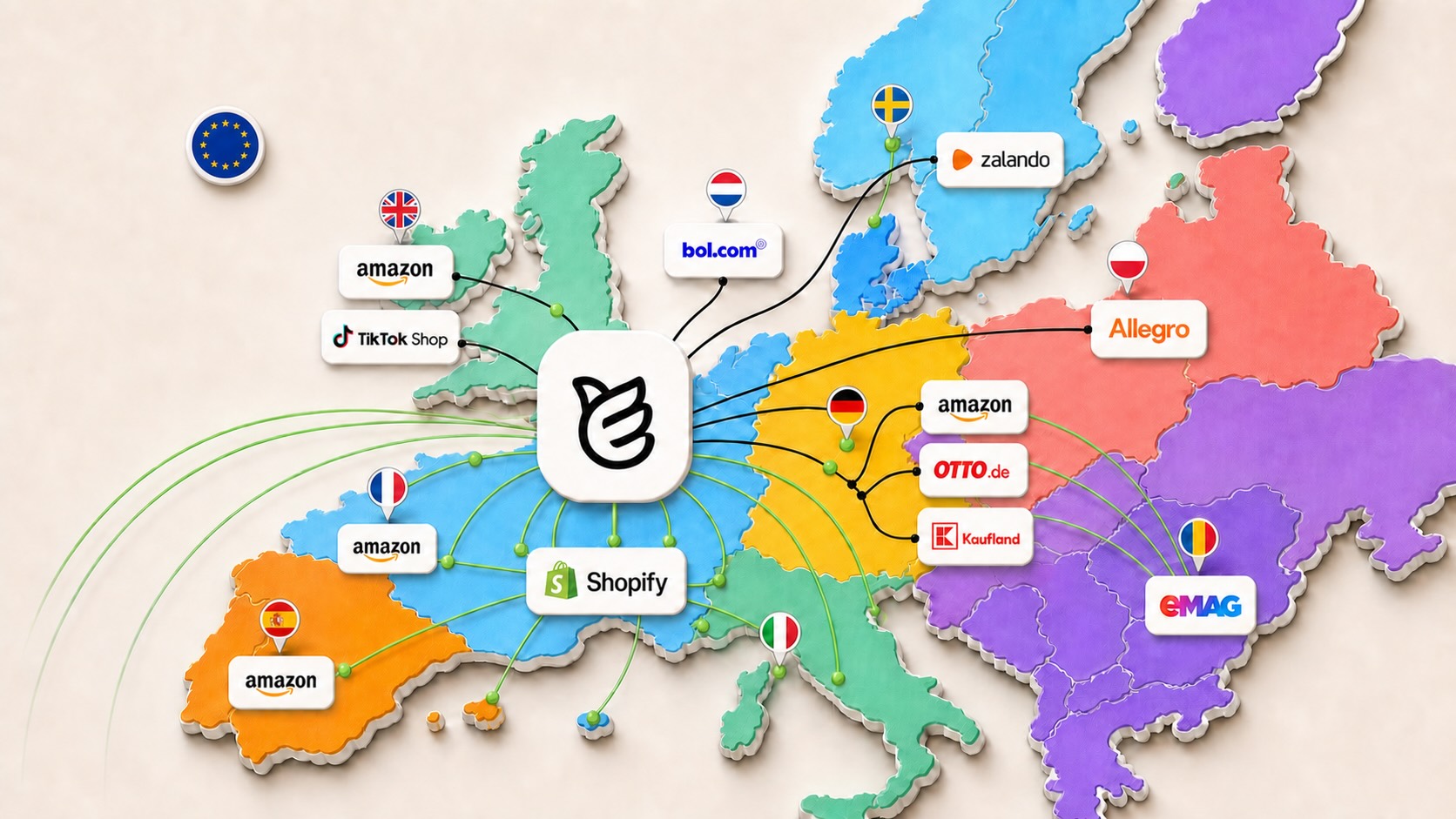
Shipping DDP (Delivered Duty Paid) does not dissolve the problem; someone still has to be the importer of record behind a DDP shipment, with an EORI, the right establishment status, and the liability that comes with both. For a non-EU brand, the practical options are building a local entity (with the establishment requirements that entails) or working with a partner that already holds them. eBrands acts as Importer of Record across its registered markets, with the EORI numbers, VAT registrations, and customs infrastructure already in place, so your inventory clears borders under our entities while you keep full ownership of the goods. With EU customs and compliance rules tightening again in 2026, that is increasingly the difference between a launch plan and a paperwork project. If a border is standing between your products and your next market, talk to our team.
Frequently asked questions
Is an EORI number the same as a VAT number?
No, they are separate identifiers with separate purposes, though they are linked: in the UK, a VAT-registered business's GB EORI usually contains its VAT number as the first nine digits. You can hold an EORI without being VAT registered.
Do I need separate EORI numbers for the UK and the EU?
Yes, if you trade with both. The systems have been fully separate since Brexit. A GB EORI covers UK borders, an EU EORI covers all 27 member states, and Northern Ireland trade may require an XI EORI in addition.
Does an EORI number expire?
No. Once issued it remains valid until the business closes or requests cancellation, after which the data is retained for ten years. Each legal entity can hold only one per system.
Do I need my own EORI if a freight forwarder handles my customs?
Usually yes. The forwarder files declarations using its own credentials, but the declaration still names an importer or exporter of record, and if that party is your business, it needs its own EORI.
How much does an EORI number cost?
Nothing. Both HMRC and EU customs authorities issue EORI numbers free of charge. Any site charging an "EORI registration fee" is a middleman you do not need.

“ We are dedicated to assisting you; please contact us for any information or inquiries you may have. ”









.jpg)










.jpeg)