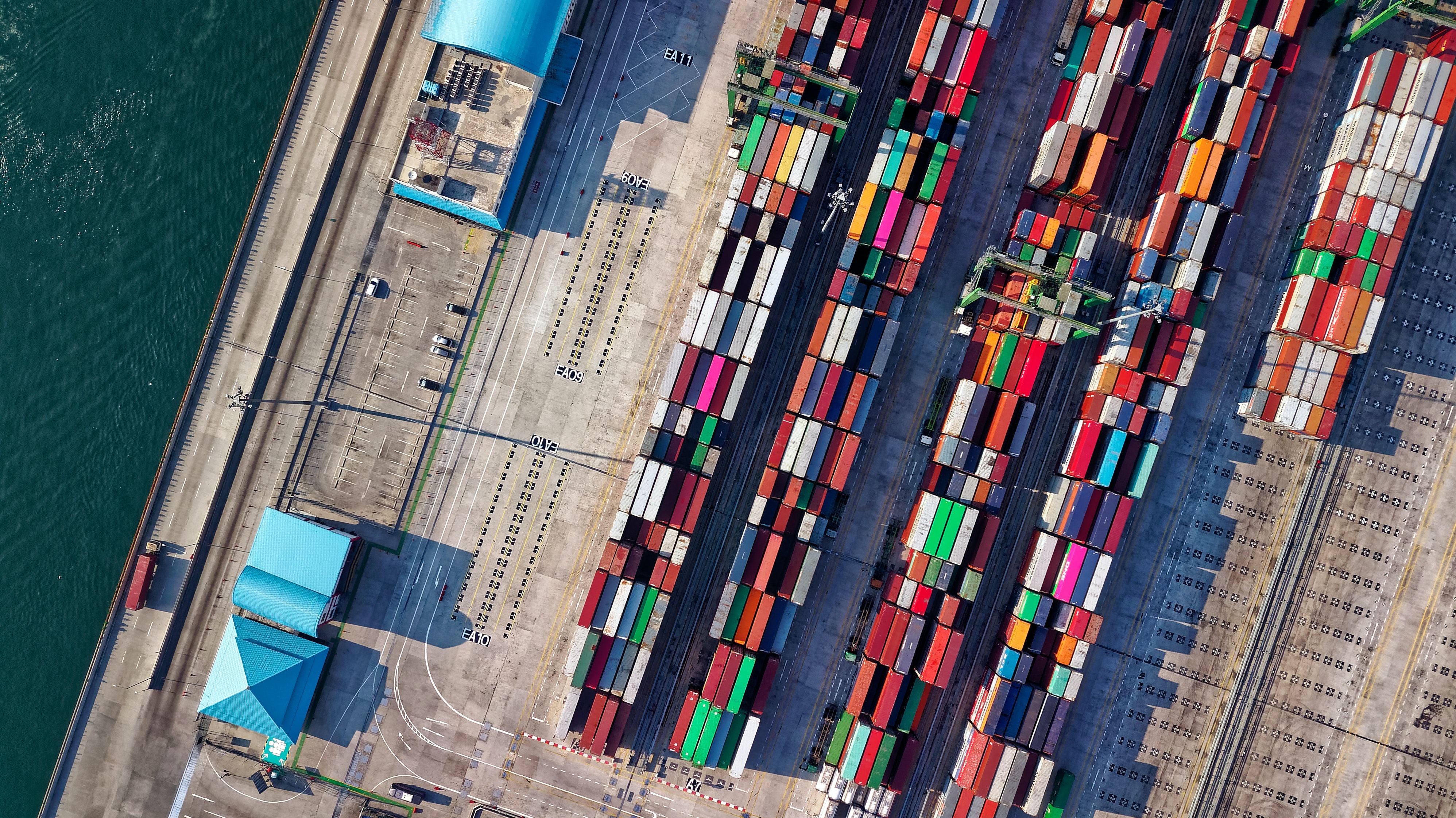
What Is a 3PL? Third-Party Logistics Explained for Growing Brands
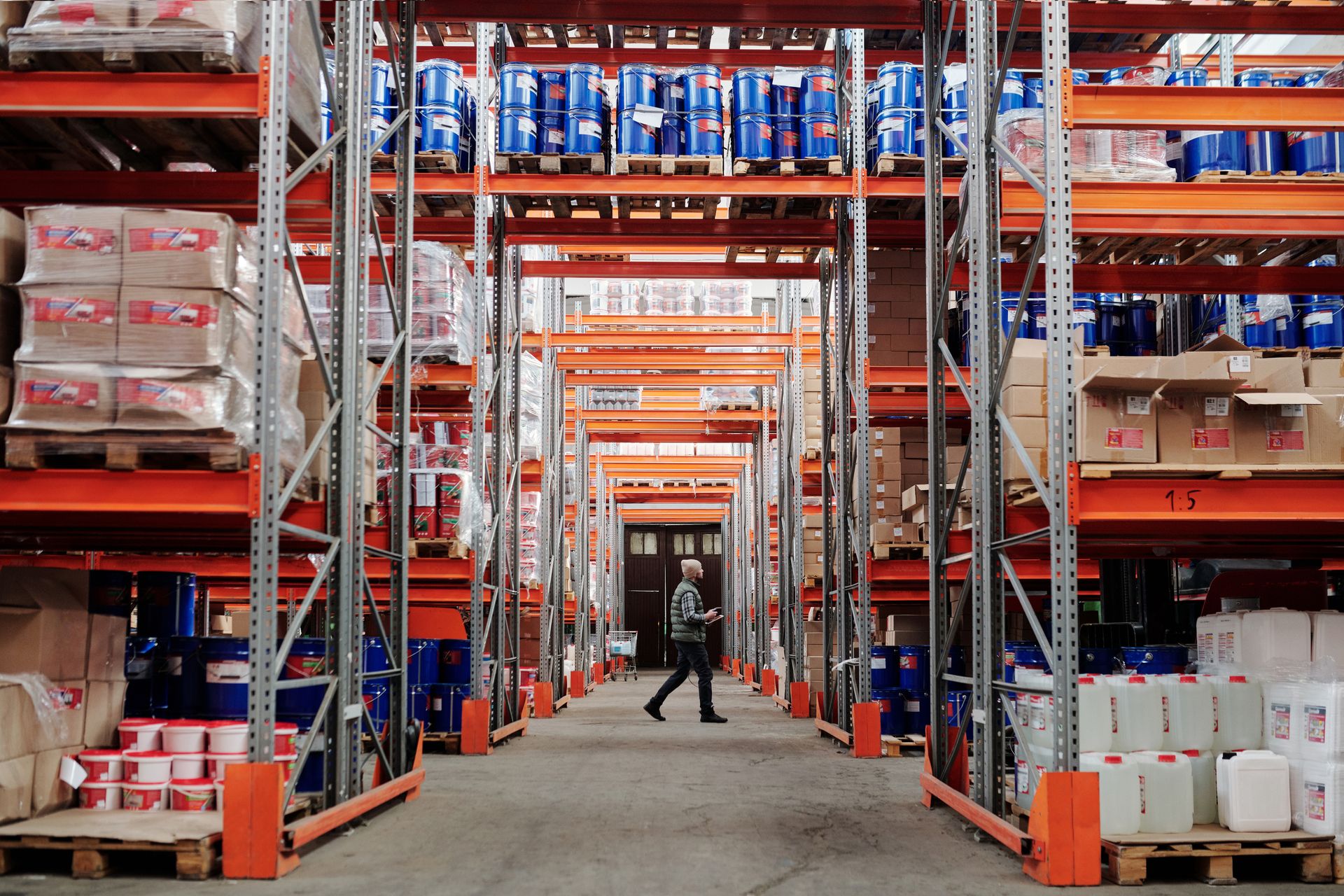
Every growing product brand hits the same wall, usually somewhere between 20 and 100 orders a day. The founder who once enjoyed packing orders now spends half the week taping boxes, the spare room became a warehouse a while ago, and one sick day means late shipments. Fulfillment is the first operational function most brands outsource, and the companies they outsource it to are called 3PLs. Whether that move happens at the right time, with the right provider, and with a clear view of what a 3PL will not do for you tends to shape the next two years of the business.
The short answer: a 3PL (third-party logistics provider) is a company that stores your inventory in its warehouses and receives, picks, packs, ships, and often processes returns for your orders, charging per activity instead of you running your own logistics operation.
Key takeaways
- A 3PL takes over the physical side of fulfillment: receiving, storage, pick and pack, shipping, and usually returns.
- You pay variable, per-activity fees instead of fixed warehouse and staff costs, which converts fulfillment from a capital problem into a line item that scales with sales.
- The global 3PL market is worth roughly $1.36 trillion in 2026, and about 70% of 3PL services now serve ecommerce clients.
- A 3PL is not the same as FBA, a freight forwarder, or a 4PL, and confusing them leads to expensive setup mistakes.
- A 3PL moves boxes. It does not become your importer, handle your VAT, or run your sales channels, and international expansion stalls exactly at that boundary.
What is a 3PL?
A third-party logistics provider is a specialist that runs warehousing and order fulfillment on behalf of other businesses. Your inventory sits in the 3PL's facilities, its warehouse staff and systems process your orders, and its carrier contracts move your parcels. You keep ownership of the stock throughout; the 3PL operates it.
The model exists because logistics rewards scale that individual brands cannot reach. A 3PL processing orders for a hundred brands negotiates carrier rates, warehouse automation, and labor efficiency that a single brand shipping 3,000 orders a month never could. That is why the sector has become enormous: Grand View Research puts the global 3PL market at about $1.36 trillion in 2026, growing around 9% a year, with retail its largest segment.
A standard ecommerce 3PL relationship covers six activities: receiving your inbound stock and checking it in; storing it in bins, shelves, or pallet positions; picking items when orders arrive via integration with your store or marketplaces; packing them to your spec; shipping through the 3PL's discounted carrier mix; and processing returns, which matters more than most founders expect, since ecommerce return rates run 20 to 30% against 8 to 10% in physical retail. Around all of that sits the warehouse management system, whose real product is visibility: live inventory counts, order statuses, and the data feed that keeps your channels honest about stock.

What is the difference between a 3PL, FBA, a freight forwarder, and a 4PL?
These four get mixed together constantly, and they solve different problems:
The combinations matter as much as the definitions. Many brands run FBA for their Amazon volume and a 3PL for everything else, one reason to think early about syncing inventory across marketplaces. And a freight forwarder delivering your container to a 3PL still leaves open the question of who legally imports the goods, because a forwarder will not act as your importer of record, and neither will the 3PL.
When should you switch to a 3PL?
There is no universal order threshold, but the signals are consistent. Fulfillment hours have started displacing growth work: if the founder or the marketing hire spends afternoons packing, the business is paying senior salaries for warehouse labor. Storage has outgrown the space you have, or is about to for the next inventory buy. Order volume has passed the point, commonly somewhere around 10 to 20 orders a day, where per-order 3PL fees beat the true cost of your time, space, and shipping rates. Sales have gone multichannel, and stock needs to serve your D2C store and marketplaces from one pool. Or you are entering a market where you have no physical presence at all, and shipping every order internationally from home is eating your margins in cross-border shipping costs.
There is also a timing warning that applies in 2026 specifically: capacity is tight. Nearly 60% of logistics providers report running at over 90% warehouse capacity, per ClickPost's industry statistics, which means good 3PLs can be selective about clients and onboarding slots ahead of Q4 fill up by late summer. Starting the search when fulfillment is already breaking is starting late.
How much does a 3PL cost?
Every 3PL prices differently, but the invoice is built from the same blocks: a receiving fee for checking in inbound stock (per pallet, carton, or hour), storage billed per bin, shelf, or pallet per month, a pick-and-pack fee per order plus a smaller fee per additional item, packaging materials, shipping at the 3PL's negotiated carrier rates (usually your biggest line), returns processing per unit, and often a monthly account or software minimum. Marketplace-owned programs price comparably at the unit level; for scale, WFS starts at $3.45 per unit and FBA sits in a similar range for standard-size items.
Two cost truths save brands from bad contracts. First, the per-order fee is a poor comparison metric on its own; a cheap pick fee paired with expensive storage and slow receiving can cost more than the premium provider. Model your real order profile, including your returns volume, across each fee schedule. Second, watch for what triggers surcharges: oversized items, batteries, peak-season storage, and long-stay inventory are where quotes and invoices part ways.

How do you choose the right 3PL?
Five filters do most of the work. Location: warehouses near your customers cut both shipping cost and delivery time, and for international sales that means in-market fulfillment rather than shipping across borders per order. Integrations: native, tested connections to your storefront and every marketplace you sell on, not "we have an API." Channel fit: B2C parcels, B2B retail replenishment, and marketplace prep (FBA-compliant labeling, for instance) are different disciplines; confirm the provider actually runs yours. Returns capability: a provider that can inspect, regrade, and restock returns protects real money at ecommerce return rates. And SLAs with teeth: same-day or next-day order dispatch, receiving turnaround times, and inventory accuracy commitments, in writing.
Where does a 3PL stop?
Here is the boundary that surprises brands, usually mid-expansion: a 3PL's responsibility begins when your goods arrive at its dock and ends when the parcel ships. Everything wrapped around that physical flow stays yours. The 3PL does not import your inventory into the country; you need an importer of record with the right establishment and registrations. It does not register, collect, or file your VAT and sales tax. It does not carry product compliance obligations, run your marketplace accounts, manage your listings, or answer to the tax office when something is off. A brand entering the US or EU quickly discovers that the shipping is the easy half; the legal and commercial layer around it is the project.
That layer is the difference between a 3PL and a commerce operator. eBrands runs fulfillment through its logistics network as one module of a larger stack: acting as Merchant of Record and importer in each market, handling tax and compliance, and operating the sales channels themselves, while the inventory stays on your balance sheet and the brand stays fully yours. If your fulfillment question is really a market-entry question, which it usually is once borders get involved, that is the conversation worth having, and our team is easy to reach.
Frequently asked questions
What does 3PL stand for?
Third-party logistics. The "third party" is the outside provider handling logistics between you (the first party) and your customer (the second).
Is FBA a 3PL?
Functionally yes, with a catch: FBA is Amazon's own fulfillment program, optimized for Amazon orders and Amazon's rules. Most brands treat FBA as their Amazon fulfillment and use an independent 3PL for D2C and other channels.
How many orders per month justify a 3PL?
As a rough rule, brands start the evaluation around 300 to 500 orders a month, when the per-order fees drop below the true cost of self-fulfillment counting time, space, and retail shipping rates. Brands with heavy products, fast growth, or international customers often cross the line earlier.
Does a 3PL own my inventory?
No. You retain ownership; the 3PL stores and handles the goods as a service. That separation also means the 3PL takes no responsibility for importing the goods or for the taxes on selling them.
What is the difference between a 3PL and a 4PL?
A 3PL operates warehouses and fulfills orders. A 4PL manages logistics strategy and coordinates multiple 3PLs and carriers on your behalf, typically without owning facilities. Most growing brands need a 3PL; 4PLs serve complex, multi-network operations.

“ We are dedicated to assisting you; please contact us for any information or inquiries you may have. ”




.jpg)










.jpeg)