Incoterms for Ecommerce Brands: EXW, FOB, CIF, DAP and DDP Explained With Real Landed-Cost Examples
Three letters on a purchase order decide who pays the freight, who insures the cargo, who clears customs on both sides, and who absorbs the loss if a container goes overboard. Most ecommerce brands inherit those three letters from whatever their supplier proposed, discover what they meant during the first shipment that goes wrong, and never revisit the choice. The terms themselves are not complicated. What makes them expensive is that cost and risk do not always transfer at the same point, and the most commonly used rule in ecommerce is usually the wrong one for the cargo it is applied to.
The short answer: Incoterms are eleven standard three-letter rules from the International Chamber of Commerce that define who arranges and pays for transport, who handles customs, who insures the goods, and exactly where risk passes from seller to buyer.
Key takeaways
- Incoterms 2020 is the current edition, and the next ICC revision is not expected until around 2030.
- Seven rules work for any mode of transport; four are for sea and inland waterway only.
- FOB is routinely misapplied to containerised cargo, leaving a gap in risk cover between the depot and the vessel. FCA is the correct rule.
- In the C-group, the seller pays freight to the destination but risk passes at origin, which surprises most first-time importers.
- The term you trade on changes your customs value, so it feeds directly into duty and landed cost.
Where ecommerce brands actually meet Incoterms
Worth separating two situations, because the right answer differs.
The first is inbound freight, where you are the buyer purchasing stock from a manufacturer. Here the Incoterm sets how much of the journey your supplier organises and where your risk begins. This is where most of the money is, because it is bulk cargo and the choice affects every container you import.
The second is outbound delivery, where you are the seller shipping to a customer or a marketplace warehouse. For consumer parcels, the practical choice is between delivering with duties paid or leaving them to the customer, which we cover in detail in our guide to DDP shipping and DDP versus DAP. For bulk shipments to a fulfilment centre, you are effectively importing your own goods, and the term matters mainly for who is named as importer.
One thing to be clear about: Incoterms were written for commercial freight contracts, not for individual consumer parcels. Carriers apply them by analogy to parcel traffic, and they work well enough as shorthand for who pays duty, but the eleven-rule framework belongs to the freight side of your business.
All eleven rules at a glance
The pattern to notice is in the C-group. Under CPT, CIP, CFR and CIF, the seller pays freight all the way to the destination while risk passes to the buyer back at origin. So if the cargo is damaged mid-ocean on a CIF shipment, the seller has paid for the voyage and the buyer owns the loss. That split catches out more first-time importers than any other feature of the system.
.jpg)
The container trap, and why FOB is usually wrong
FOB is the most recognised Incoterm in ecommerce and one of the most frequently misapplied. It is a sea-only rule where risk passes when the goods are loaded on board the vessel. That made sense when cargo was handed over at the ship's side.
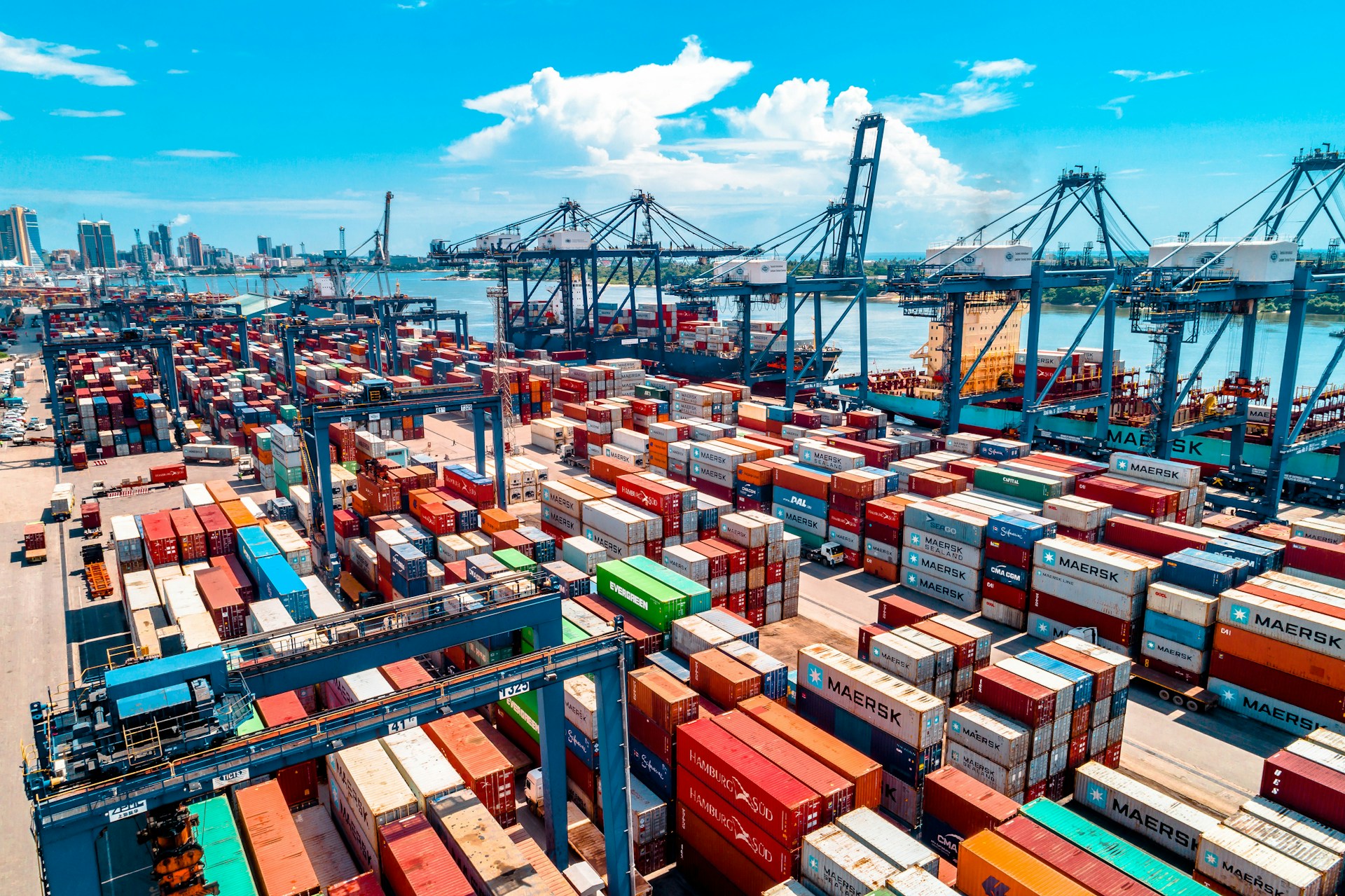
Containerised freight does not work that way. You hand your container to the carrier at an inland depot or container yard, often days before it reaches the port, and it passes through terminal handling, stacking and loading before it is ever on board. Under FOB, you as buyer own none of the risk during that period, and your seller has already treated delivery as effectively complete. If the box is damaged on the road to the port or dropped in the yard, the question of who carries that loss gets messy, and insurers are not sympathetic to a term that did not match the operation.
The correct rule for containers is FCA, where risk passes cleanly at handover to the carrier the buyer nominated. As OVRSEA notes in its rule-by-rule breakdown, getting the mode split right avoids the single most common Incoterms mistake. The sea-only rules (FAS, FOB, CFR, CIF) belong to bulk cargo: grain, ore, liquids. If your goods travel in a container, use an any-mode rule.
The reason FOB persists is inertia. Suppliers quote it, buyers recognise it, and nothing goes wrong until something does. Changing it costs nothing and closes a genuine gap.
EXW: the term that looks cheap and usually is not
EXW puts the absolute minimum on the seller: make the goods available at their premises, packed, not loaded, not cleared for export. Everything else is yours, including export clearance in the seller's own country.
That last point is the problem. Export formalities in the supplier's country usually require a local entity to file them, and as a foreign buyer you typically cannot, so in practice the supplier ends up doing it anyway, informally and without contractual responsibility for doing it correctly. EXW is widely disliked among trade practitioners for exactly this reason. A quoted EXW price also looks attractive next to a CIF price, while excluding costs you will certainly pay, which makes supplier comparisons misleading unless you normalise them.
FCA does what most buyers actually want from EXW, with export clearance properly assigned to the party who can perform it.
How the Incoterm changes your landed cost
This is the part that connects the contract to your margins, and it works in two directions at once.
First, the term determines which costs you pay directly versus which arrive inside the supplier's price. An EXW price plus your own freight and a CIF price can land at the same total, or not, and you cannot tell without building both out. Comparing supplier quotes on different terms without normalising is one of the most common sourcing errors.
Second, and less obviously, the term affects your customs value. The EU and UK assess duty on a CIF basis, meaning freight and insurance to the point of entry sit inside the dutiable value. The US assesses transaction value, generally excluding international freight where it is separately identified. So the same goods carry a different duty base depending on the destination, and your invoice needs to break out the elements so the value can be built correctly. That mechanism is covered fully in our guide to calculating import duty and landed cost.
There is a third consequence worth knowing if you ship to the US. Ocean shipments require an Importer Security Filing 24 hours before loading at origin, and as IncoDocs sets out, the party responsible follows the term: under FOB, FCA, CFR or CIF it is usually the US buyer, while under DDP it falls to the seller. A late ISF is a problem created two weeks before anyone notices it.

Insurance: who is actually covered
Only two rules oblige the seller to insure, and the levels differ. Under Incoterms 2020, CIF keeps Institute Cargo Clauses (C) as the default, a limited level of cover aimed at commodity trading, while CIP now requires the higher Clauses (A) standard. Parties can agree more cover in either case, but only if they write it in.
For everything else, insurance is whoever's problem the risk is. Under EXW, FCA, FOB or CFR, the buyer carries risk for most or all of the voyage with no obligation on the seller to insure it, so if you have not arranged cover, the cargo is uninsured. A CIF shipment where you assumed you were fully covered and are actually holding minimum-clause cover is the version of this that hurts after a claim.
Choosing the right term
Three questions settle most cases.
How does the cargo travel? Containers and air freight take any-mode rules. Bulk cargo on a vessel can take the sea-only rules. This filter alone removes the most expensive mistake.
How much of the journey do you want to control? Buying on FCA or FOB means you appoint the carrier, you see the real freight cost, and you can consolidate shipments. Buying on CIF or DAP means less work and less visibility, and freight margin buried in the product price. Growing brands generally move toward controlling their own freight as volumes rise.
Who can legally clear customs at each end? This is the one that decides whether a term is workable at all. Import clearance requires a party with standing in the destination country, which is why a non-established seller quoting DAP or DDP into a market needs an arrangement behind it. The distinction between the party legally responsible for the import and the agent filing the paperwork is set out in our comparison of the importer of record and the customs broker.
Two habits that prevent most disputes: always name the edition and the place, writing "FCA Ningbo (Incoterms 2020)" rather than "FCA Ningbo", since a contract that does not name the edition invites an argument about which rulebook applies; and make sure the term on the purchase order, the commercial invoice and the transport document all match, because a mismatch is what customs queries and insurers seize on.
Where this fits an international brand
Incoterms allocate responsibility. They do not create capability. A term can say the seller clears import customs, but that only happens if the seller has an entity with standing in the destination country, a customs registration, and the tax setup behind it. Brands discover this at the point where a perfectly drafted DDP contract meets a border with nobody qualified to act as importer on the other side.
For a brand importing its own stock into a new market, the practical sequence is: choose a term that matches the cargo, control the freight once volume justifies it, and settle who the importer of record will be before the goods ship rather than after they land. eBrands takes that last role for the brands we operate, acting as Importer of Record in each registered market with the customs and VAT infrastructure already in place, so a D-rule term is backed by an entity that can actually perform it. The goods stay yours throughout. If your supplier contracts and your import setup have never been looked at together, that is usually where the cheapest savings are hiding.
Frequently asked questions
What is the current version of Incoterms?
Incoterms 2020, published by the International Chamber of Commerce. The ICC revises roughly once a decade, so the next edition is expected around 2030. Always name the edition in your contracts.
What is the difference between FOB and FCA?
FOB is a sea-only rule where risk passes when goods are loaded on board the vessel. FCA works for any mode and passes risk at handover to the buyer's carrier, which is why it is the correct choice for containerised cargo handed over at an inland depot.
Who pays customs duty under each Incoterm?
The buyer under every rule except DDP, where the seller pays import duty and taxes. DAP and DPU place delivery costs on the seller but leave import clearance and duty with the buyer.
Does the Incoterm affect how much duty I pay?
Indirectly, yes. It determines which costs appear where on the invoice, and the EU and UK calculate duty on a CIF basis including freight and insurance, while the US generally excludes international freight from the transaction value.
Which Incoterm is best for ecommerce?
For inbound containers, FCA gives clean risk transfer and control of freight. For outbound consumer deliveries, DDP gives the best customer experience provided someone qualified acts as importer in the destination market.

“ We are dedicated to assisting you; please contact us for any information or inquiries you may have. ”



.jpg)







.jpeg)