TikTok Creator Marketplace, TikTok One and Shop Affiliate: Which One Your Brand Actually Needs
If you have been told to "set up TikTok Creator Marketplace", there is something worth knowing before you start looking for it: it closed. TikTok stopped accepting new campaigns there on 01.03.2025 and redirected the whole thing to a replacement called TikTok One on 01.04.2025. Past campaigns carried across; the product under that name did not.
That matters less for the name than for what people assume it did. TikTok One is where you pay creators to make branded content. The TikTok Shop affiliate programme — a separate system, in a separate interface — is where creators sell your product for a cut of each order. Brands routinely set up one while meaning the other, and then wonder why nothing is converting.
Here is what replaced what, which system does which job, and how to decide what to pay.
Key takeaways
- Creator Marketplace was retired on 01.04.2025 and folded into TikTok One, which also replaced the Creative Center.
- TikTok One is for paid branded content and Spark Ads. It is not commission selling.
- The TikTok Shop affiliate programme is the one that moves product, and it runs on commission per order.
- Open collaboration sets one rate for all approved creators; a target rate always overrides the open rate for that creator.
- Commission-only works for nano and micro creators. Above that you are usually paying a flat fee as well.
- Affiliate videos can be run as ads through GMV Max — but the ads stop when the collaboration ends.
What happened to TikTok Creator Marketplace?
It was TikTok's official platform for brands to find creators and run paid campaigns — browse by audience and performance, negotiate, brief, track. In early 2025 TikTok consolidated its creative tooling: new campaigns and creator applications stopped on 01.03.2025, and from 01.04.2025 the site redirected to TikTok One.
TikTok One is a wider hub. It absorbed the Creative Center as well, and bundles campaign creation, analytics, Creative Challenges and the creator discovery tool that used to be the Marketplace's main function. So the discovery capability survived; the standalone product did not.
Two practical consequences. First, guidance written before 2025 describes an interface that no longer exists, which is most of what currently ranks for this question. Second — and this is the one that costs money — the rebrand bundled creator discovery in with paid-media tooling, which makes it even easier to assume TikTok One is where TikTok Shop selling happens. It is not.
TikTok One and Shop Affiliate are different systems
Most brands selling physical goods want the second one, and want the first only once something is already working and they want to put money behind it.
What actually sells product: the Shop affiliate programme
Three routes, run from Seller Center, and the sensible approach uses more than one.
Open collaboration. You publish a commission rate per product and any approved affiliate can promote it without asking. Rates can be set anywhere from 1% to 80% of order value. This is your volume engine — it lets creators find you rather than the reverse, and it is how most brands get their first hundred videos.
Target collaboration. You invite named creators on terms you negotiate, commission-only or with a flat fee for the video. The rule that catches people out: a target rate always supersedes the open rate for that creator. If your open rate is 15% and you target someone at 25%, they get 25% — so target invitations are a deliberate premium, not a formality.
Shop plan. A creator runs their own storefront featuring your products, setting their own selection. Useful with creators who have a genuine affinity for the category.
Alongside those, direct outreach is what closes the gap. In-app invitations get ignored at scale; finding creators off-platform, emailing them, then sending the target invite so the video carries your product link, is what actually converts a shortlist into posts.
On eligibility, affiliates are generally required to be 18 or over with an account in good standing, and typically around 1,000 followers in the US, though thresholds vary by region. In practice recency of posting matters more than follower count for whether a creator will actually drive sales.
What should you pay a creator?
Start with the arithmetic, because it decides which creator tier you can use at all.
A £30 product at 15% commission pays the creator £4.50 per order. A micro creator who would otherwise charge a flat fee of around £300 for a video needs roughly 67 orders from that single video to earn the same. Most videos do not do 67 orders.
That sum explains the whole market. Commission-only genuinely works for nano and smaller micro creators, where the upside of a video taking off is worth the risk of it not. Mid-tier and above will want a flat fee, a higher target rate, or both — and a brand that refuses on principle will simply not get those creators.
For reference, commission rates reported by creator-marketing agencies cluster roughly like this, though these are vendor observations rather than TikTok figures:
Two things to hold onto when negotiating. Judge a flat fee on cost per thousand average views, not on follower count — a creator with 40,000 followers who reliably does 200,000 views is better value than one with 300,000 followers averaging 20,000. And remember commission stacks on TikTok's own cut, so model the combined load against the margin before you publish a rate. Our guide to how TikTok Shop works covers the platform fee side.

Turning creator videos into ads
This is where the affiliate programme stops being a marketing channel and starts being a performance one.
Authorised affiliate videos can be run as ads through Product GMV Max using the "Affiliate post" video source. The practical upside is large: instead of producing ad creative, you find the organic video already converting and put budget behind it.
Three constraints to design around. You cannot change the product links in those posts. Ask every creator to authorise their videos at the point of collaboration, because retrofitting permission later rarely works. And most importantly, the ads pause if the collaboration ends — so a creator relationship that lapses takes your best-performing ad with it, which turns affiliate management into something closer to account management.
Creator pools don't cross borders
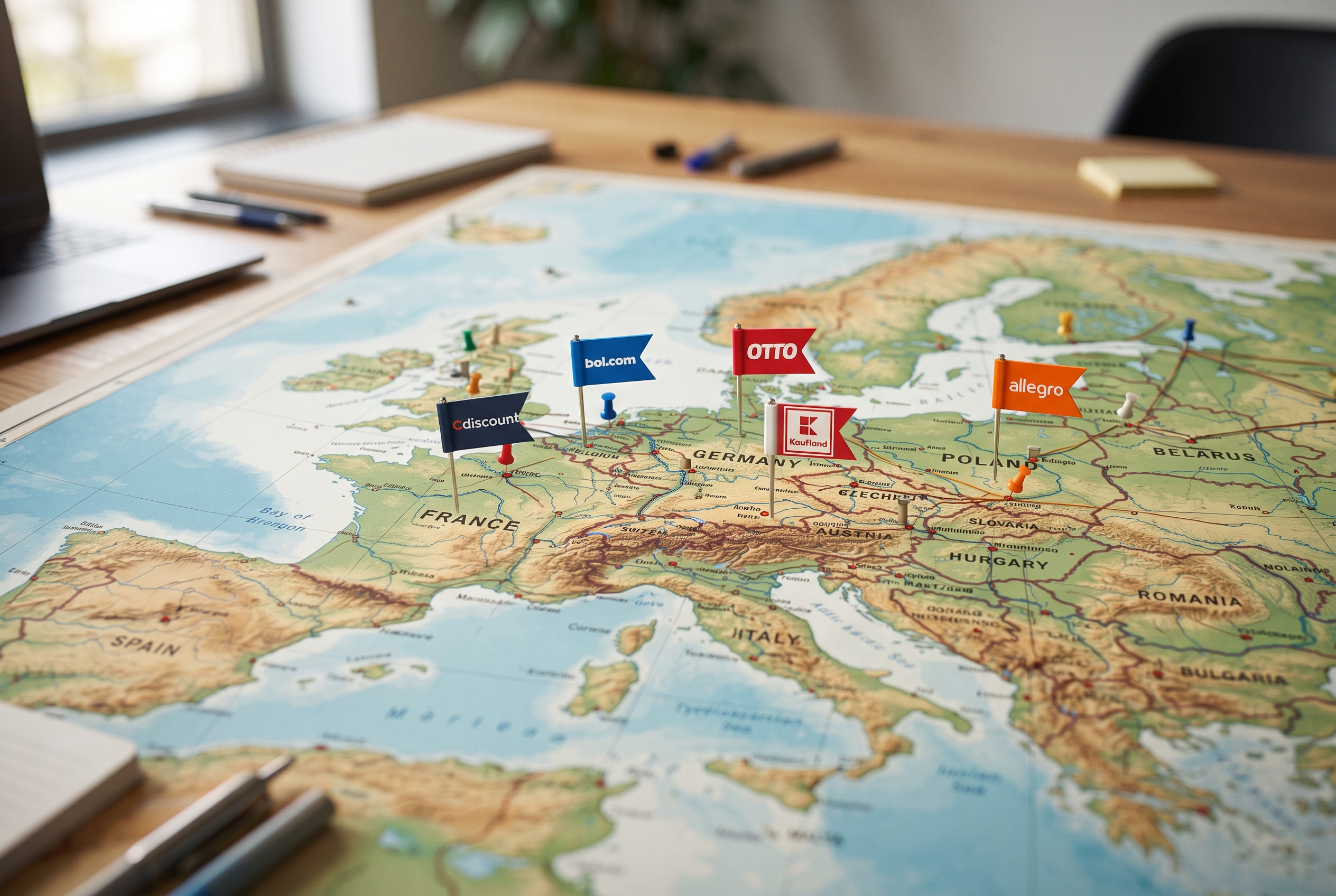
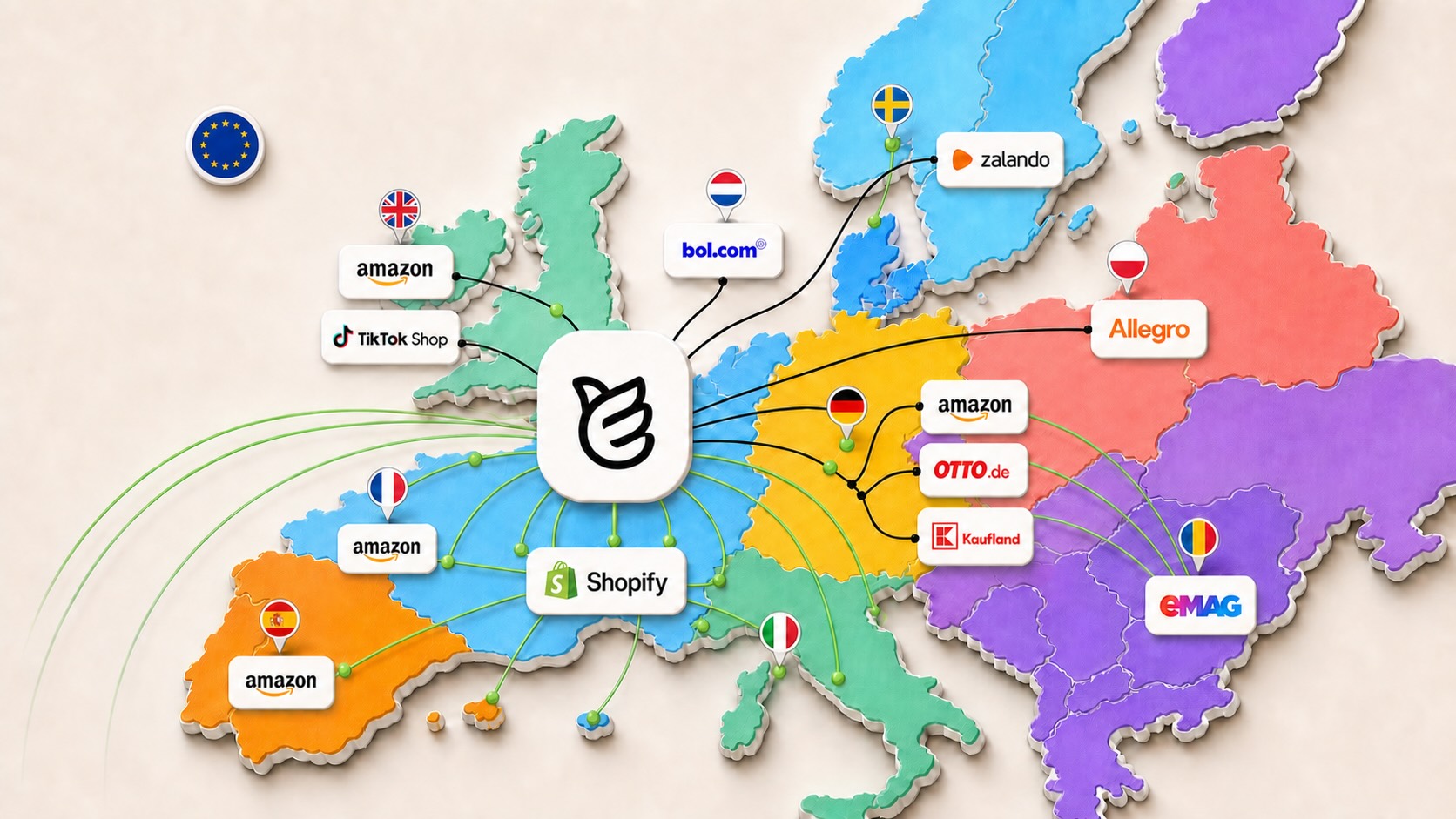
TikTok Shop now runs in ten European markets, with Austria, Belgium, the Netherlands and Poland joining on 15.06.2026 alongside the UK, Germany, France, Ireland, Italy and Spain.
Each one has its own creator pool, and that is the part brands underestimate when they expand. A shortlist that works in the UK does not translate into Germany — different creators, different conventions, different categories that over- and under-index. Subtitling a successful UK video into German is not the same as having a German creator make one.
The four newest markets are the interesting case. Creator supply is thinner, which makes recruitment harder, but competition for those creators is also far lower than in the UK, where the affiliate market is mature and heavily contested. Early is uncomfortable and cheap; late is easy and expensive.
If you are still deciding which markets to open, the zero-friction guide to TikTok Shop expansion covers the sequencing, and seller requirements and setup covers getting the account live.
Frequently asked questions
Does TikTok Creator Marketplace still exist?
Not as a standalone product. It stopped accepting new campaigns on 01.03.2025 and redirected to TikTok One on 01.04.2025. Creator discovery continues inside TikTok One, alongside campaign tools and analytics that used to live in the Creative Center. Existing campaign history carried across in the migration.
What is the difference between TikTok One and TikTok Shop affiliate?
TikTok One is for paid branded content and Spark Ads — you pay a fee, a revenue share, or both, whether or not the content sells. TikTok Shop affiliate pays creators commission on orders only, and requires products listed in a TikTok Shop. For selling physical goods, the affiliate programme is the one that matters.
What commission should I offer on TikTok Shop?
It depends on category margin and how contested your creators are. Agency-reported ranges run from about 5–15% in electronics to 20–30% in supplements, with beauty at 15–25%. Set the open rate at what you can sustain across every order, and use higher target rates selectively for creators you specifically want — remembering the target rate overrides the open one.
Do I need a TikTok Shop to work with creators?
For the affiliate programme, yes — creators tag products from your Shop, so there has to be one. For paid branded content through TikTok One, no, though without a Shop the video has nowhere to convert except your own site.
How many followers does a creator need to join TikTok Shop affiliate?
Typically around 1,000 followers in the US, with an account in good standing and a minimum age of 18, though requirements vary by region. Follower count is a poor predictor of sales — posting frequency and average views per video tell you far more.
Can I use creator videos in my own ads?
Yes, if the creator authorises it. Authorised affiliate videos can run through Product GMV Max as an "Affiliate post" source. Product links cannot be changed afterwards, and the ads stop running if the collaboration ends — so secure authorisation up front and treat ongoing creator relationships as infrastructure.
Where this fits
The creator programme is the engine of TikTok Shop, not an add-on to it. A brand with excellent products and no creator pipeline will be outsold by a brand with ordinary products and forty active affiliates — and the work is continuous recruitment, negotiation and account management rather than a campaign with an end date.
eBrands runs TikTok Shop across the UK and EU as the seller and importer of record, with creator recruitment and affiliate management either run by us or by your own agency on top of the operational base. If you want to see which creators, which videos and which markets are actually producing margin rather than views, Apollo Intelligence is where that view lives.

“ We are dedicated to assisting you; please contact us for any information or inquiries you may have. ”