

















Resources
eBrands
Ex Works (EXW) Explained: What the Cheapest Quote Actually Costs You
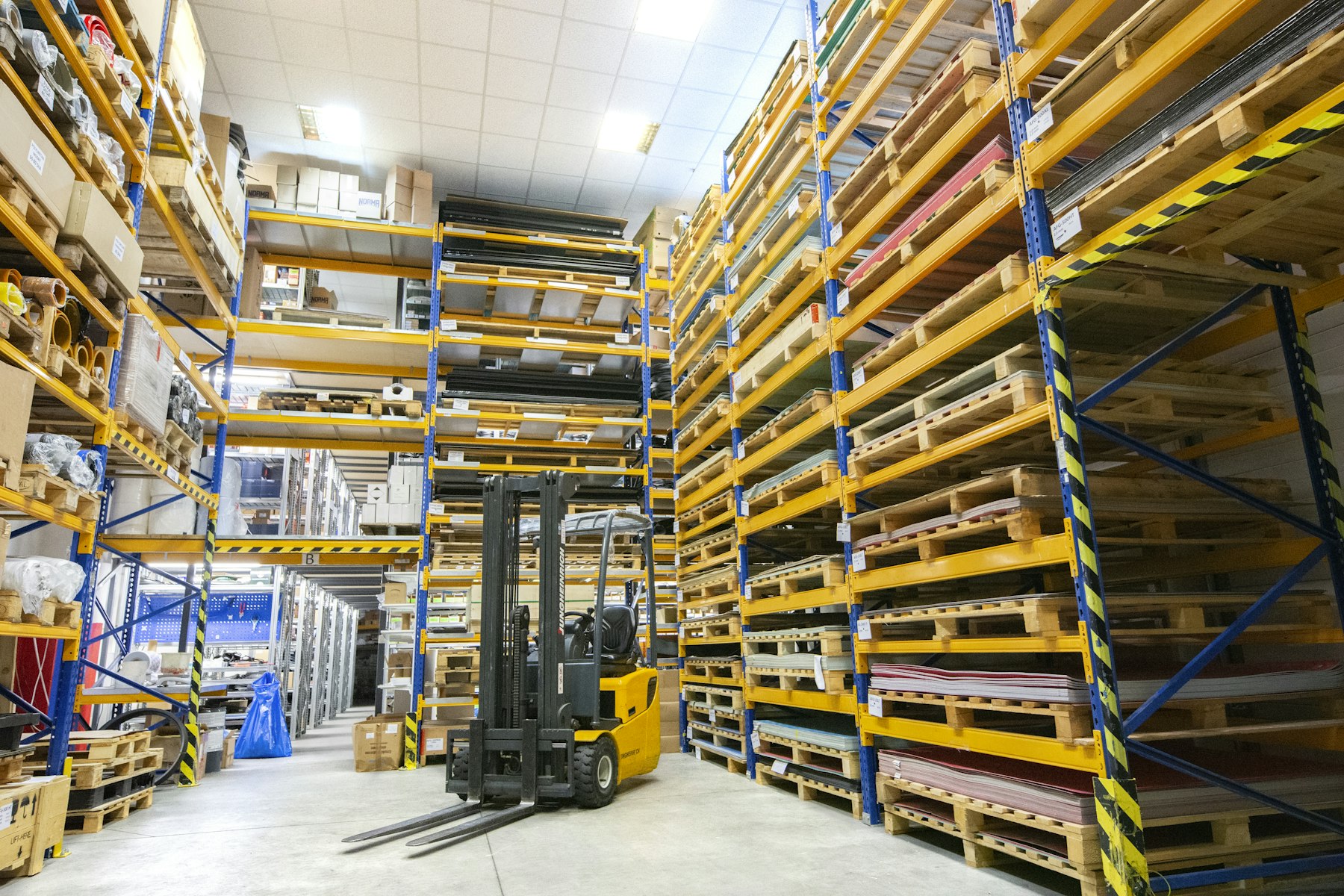
Ex Works is almost always the lowest number on a supplier's quote sheet, and almost always the most expensive way to buy. Under EXW the seller's job ends at its own door. Everything after that — lifting the goods onto the truck, clearing them for export, freight, duty, import VAT and the final delivery — is yours, along with the risk.
That is manageable if you know it going in. The problem is the part most EXW guides skip: in the EU, a buyer who is not established there is not legally allowed to be the exporter at all. So the term that looks like the simplest can leave you unable to get the goods out of the country you just bought them in.
First, there is no Incoterms 2026
A lot of pages published this year are titled "Incoterms 2026". There is no such edition. The rules in force are Incoterms 2020, published by the International Chamber of Commerce and applicable since 01.01.2020.
ICC has started work on the next revision. ICC Netherlands announced on 31.08.2026 that national working groups are being formed to feed their countries' views into the ICC drafting group, and that the launch of Incoterms 2030 is currently planned for late 2029. Until then, nothing changes. If a contract or a quote in front of you says "Incoterms 2026", it is citing an edition that does not exist, and the safest fix is to name the edition explicitly: EXW [named place], Incoterms® 2020.
What Ex Works actually means
EXW is the Incoterm that puts the least obligation on the seller of any of the eleven rules. The seller packages the goods and makes them available at an agreed place, usually its factory or warehouse, on an agreed date. That is the whole of the seller's duty.
Two details catch people out.
The seller does not load. ICC's own training material is blunt about it: loading is the buyer's responsibility, risk and cost. In practice the seller's staff usually operate the forklift because it is their yard and their equipment, but under the rule as written they are doing you a favour, not performing an obligation. If something is damaged during loading, that is your loss.
Risk passes before the goods move. It transfers the moment the goods are placed at your disposal at the named place, not when they are loaded, and not when they leave. Goods sitting on the seller's loading bay waiting for a truck you booked are already at your risk.
Who does what under EXW
Read down the buyer column and you have the reason EXW quotes look cheap. Nothing in that column has disappeared. It has just moved off the supplier's invoice and onto yours, where it arrives later and in pieces.
How EXW compares with the terms you might use instead
The single step from EXW to FCA moves two things across: loading, and export clearance. Those two are where almost all the EXW trouble lives, and the price difference between an EXW and an FCA quote from the same supplier is usually small.
The export clearance problem
This is the part that turns a pricing question into a legal one, and it is where most EXW explainers stop short.
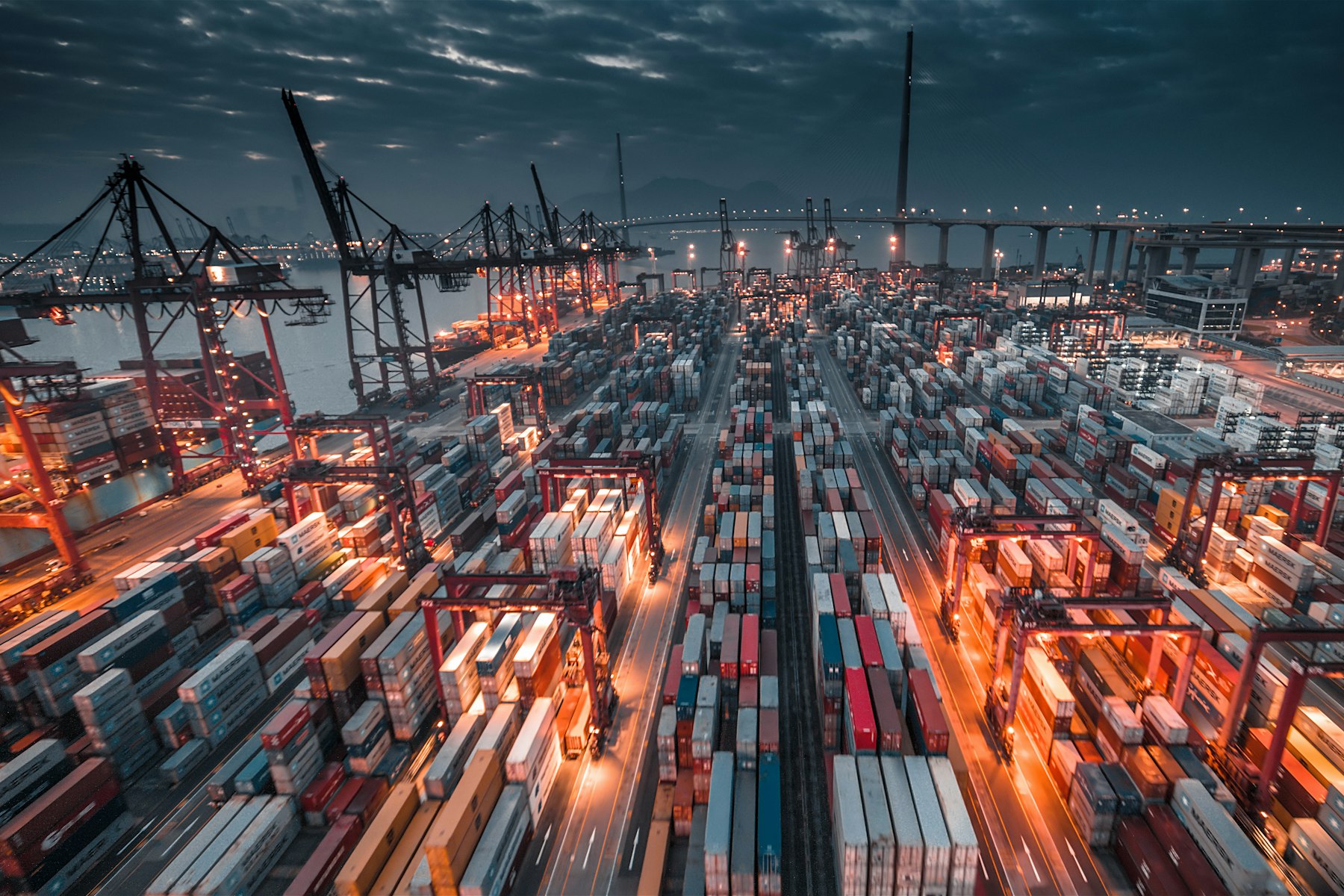
Under EXW the buyer files the export declaration in the seller's country. In the European Union, the buyer frequently cannot. The Union Customs Code sets out who is allowed to be the exporter, and the European Commission's own guidance for customs authorities puts it plainly: a person who is not established in the customs territory of the EU cannot be an exporter. A non-EU company's EORI number and address cannot go in the exporter box of the declaration at all.
So if you are a US, UK or Swiss company buying EXW from a supplier in Germany or Poland, you have agreed to perform a customs formality that the law does not let you perform. The way out, per the same guidance, is to empower an EU-established party to act as exporter on your behalf — the seller, a freight forwarder or a carrier can take that role, provided it meets the definition and agrees to it. That is a conversation to have before the purchase order, not at the loading bay.
The mirror image applies when you buy EXW out of China. The export declaration, and the export VAT rebate attached to it, run through the Chinese supplier's own export licence. A foreign buyer has no standing to file it, so in practice the supplier files anyway, or an agent does it under someone else's licence. Both routes work until there is a discrepancy, and then the paperwork says something different from the contract.
Why ICC steers buyers towards FCA
The International Chamber of Commerce, which writes the rules, does not present EXW as the natural choice for international trade. Its training material says EXW is suitable for domestic trade, describes that as a recommendation rather than a rule, and advises that traders should consider using FCA instead of EXW where possible — specifically where the buyer would struggle with export clearance. It also warns that selling under EXW for export can create accounting or tax complications for both sides. That article carries a disclaimer that the views are the author's and not formal ICC policy, so treat it as ICC's house guidance rather than a binding rule.
FCA keeps the commercial shape of EXW — you still arrange and pay for the main freight — while moving loading and export clearance to the party that can actually do them. For most brands importing from abroad, that is the single highest-value change available in a supplier negotiation, and it rarely costs much.
When EXW is genuinely the right call
EXW is not a trap in every case. It earns its place when:
- The movement is domestic. No export declaration, no establishment question. This is the use ICC points to.
- You already run the origin leg. If you have a forwarder, a consolidation warehouse or your own team in the supplier's country, EXW lets you use them and stops you paying the supplier a margin on freight it is not well placed to buy.
- You are consolidating from several suppliers. Collecting EXW from four factories into one container is usually cheaper and faster than four separate FCA handovers.
- You want the real cost of the goods. An EXW price is the cleanest number for working out your actual landed cost, because nothing is bundled into it. Our guide to calculating import duty and landed cost walks through what to add back.
The common thread is capability. EXW is a good term when you have people and contracts in the origin country, and a bad one when your plan is to hope the supplier handles it.
What EXW means for your importer of record
Buying EXW does not only make you the exporter's problem at origin. It makes you the importer of record at destination, which carries its own establishment requirements, its own registrations and its own liability for duty, import VAT and product compliance.
For a brand selling into the EU or the UK without a local entity, that is two separate problems at once: nobody who can legally export at origin, and nobody who can legally import at destination. It is why the Incoterm and the market-entry model have to be decided together rather than one at a time. An importer of record is not the same thing as a customs broker, and a broker cannot fill the gap.
How eBrands handles this
eBrands acts as the importer of record for the brands on its platform, which means we are the party of record on the import, we hold the registrations in the destination markets, and the duty, import VAT and compliance obligations sit with us rather than with a brand that has no entity there. On the importer of record side that removes the destination half of the problem outright.
On the origin side, the practical advice is the same one we give every brand we onboard: renegotiate EXW to FCA with your supplier before you do anything clever. It is a one-line change to a purchase order, it costs very little, and it removes a customs formality you may not be allowed to carry out.
Frequently asked questions
What does EXW mean?
Ex Works. The seller makes the goods available at its own premises or another named place, packed but not loaded, and the buyer takes on every cost and risk from that point: loading, export clearance, freight, import duty and delivery.
Is there an Incoterms 2026?
No. Incoterms 2020 is the edition in force. ICC has begun the next revision and Incoterms 2030 is currently planned for launch in late 2029. Always name the edition in the contract, for example EXW Rotterdam, Incoterms® 2020.
Who pays for loading under EXW?
The buyer, in cost and in risk. Suppliers often load as a courtesy because it is their yard and their forklift, but under the rule they are not obliged to, and damage during loading falls on the buyer.
Can a non-EU company be the exporter on an EXW purchase from the EU?
No. Under the Union Customs Code the exporter must be established in the customs territory of the EU, so a non-EU buyer cannot appear as exporter on the declaration. The buyer has to empower an EU-established party — the seller, a forwarder or a carrier — to take that role.
What is the difference between EXW and FOB?
Under EXW the seller's duty ends at its own door. Under FOB the seller clears the goods for export and gets them on board the vessel at the named port, so loading, export clearance and the inland leg all sit with the seller. FOB is for sea and inland waterway transport only.
Is EXW cheaper than DDP?
The quoted number is lower, the delivered cost usually is not. EXW simply excludes everything DDP includes. Compare the two by building a full landed cost, not by comparing invoices.
SELLING INTO THE EU OR UK?
You need someone established there to import. That is what we do.
eBrands acts as importer of record so you can sell into Europe without a local entity, a local VAT registration or a customs headache. Bring your Incoterm, your product category and your target markets.

“ We are dedicated to assisting you; please contact us for any information or inquiries you may have. ”